About this artwork
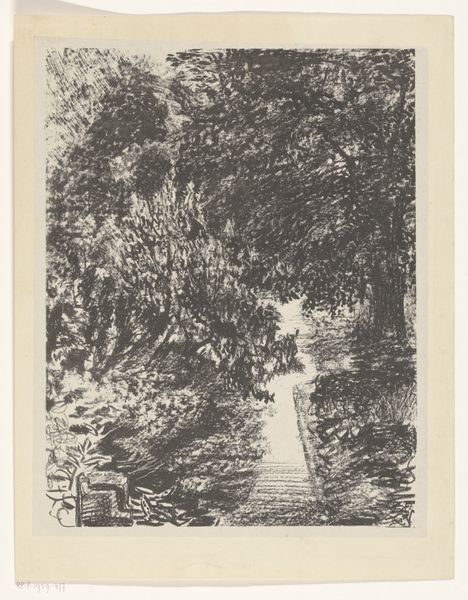
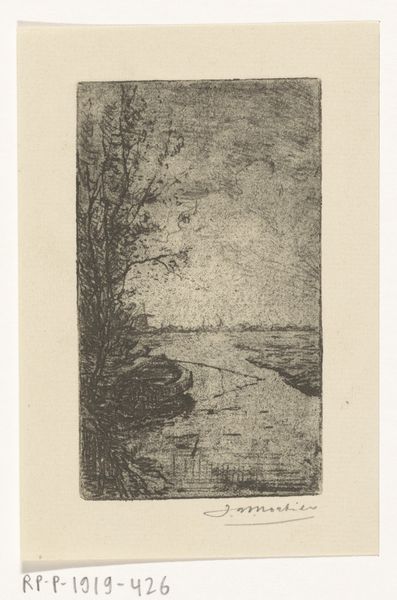
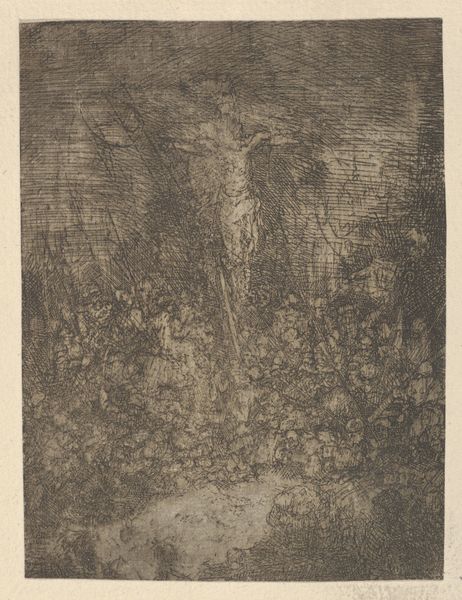
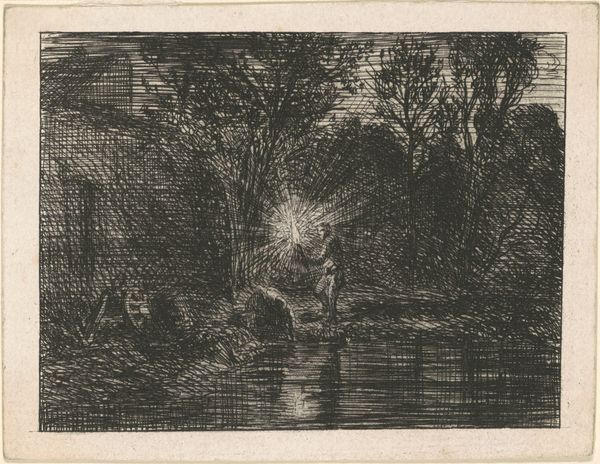
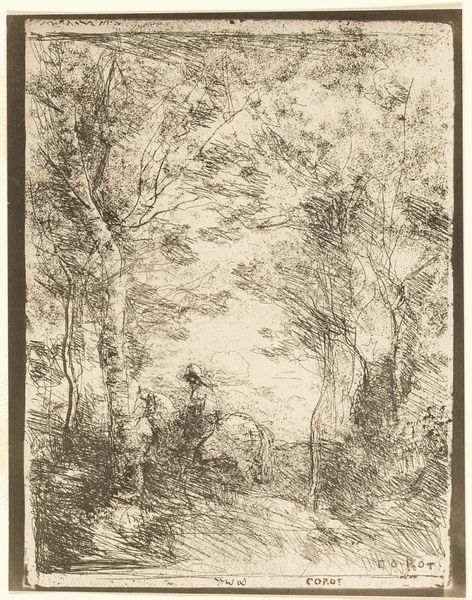
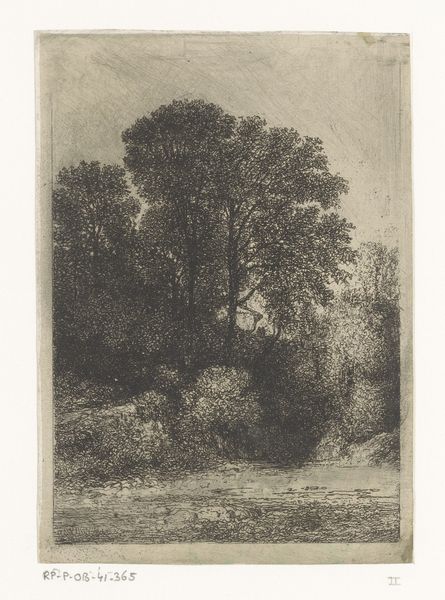
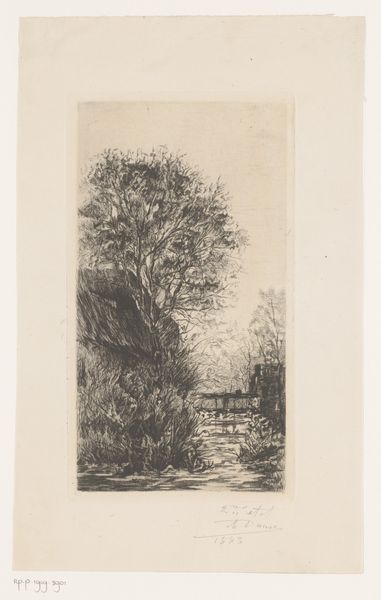
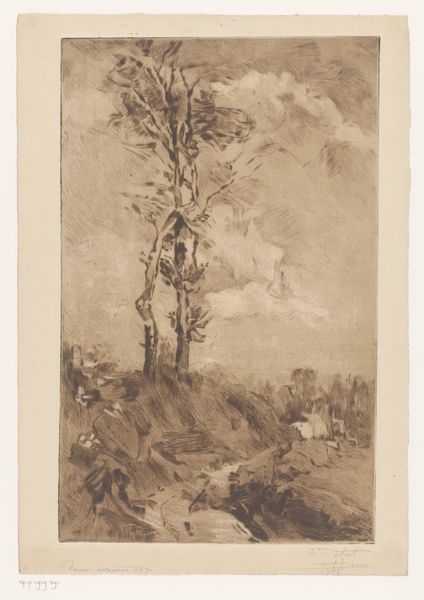
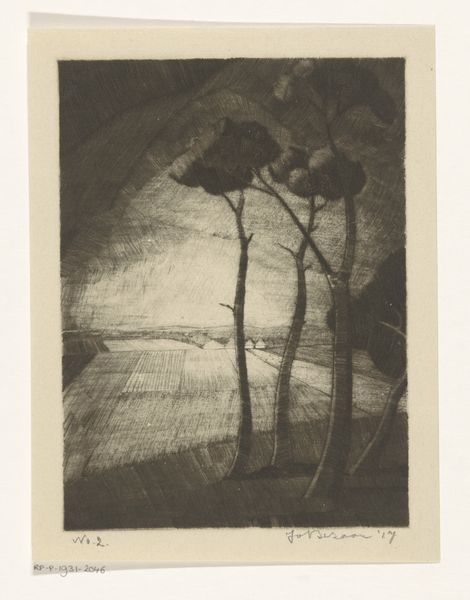
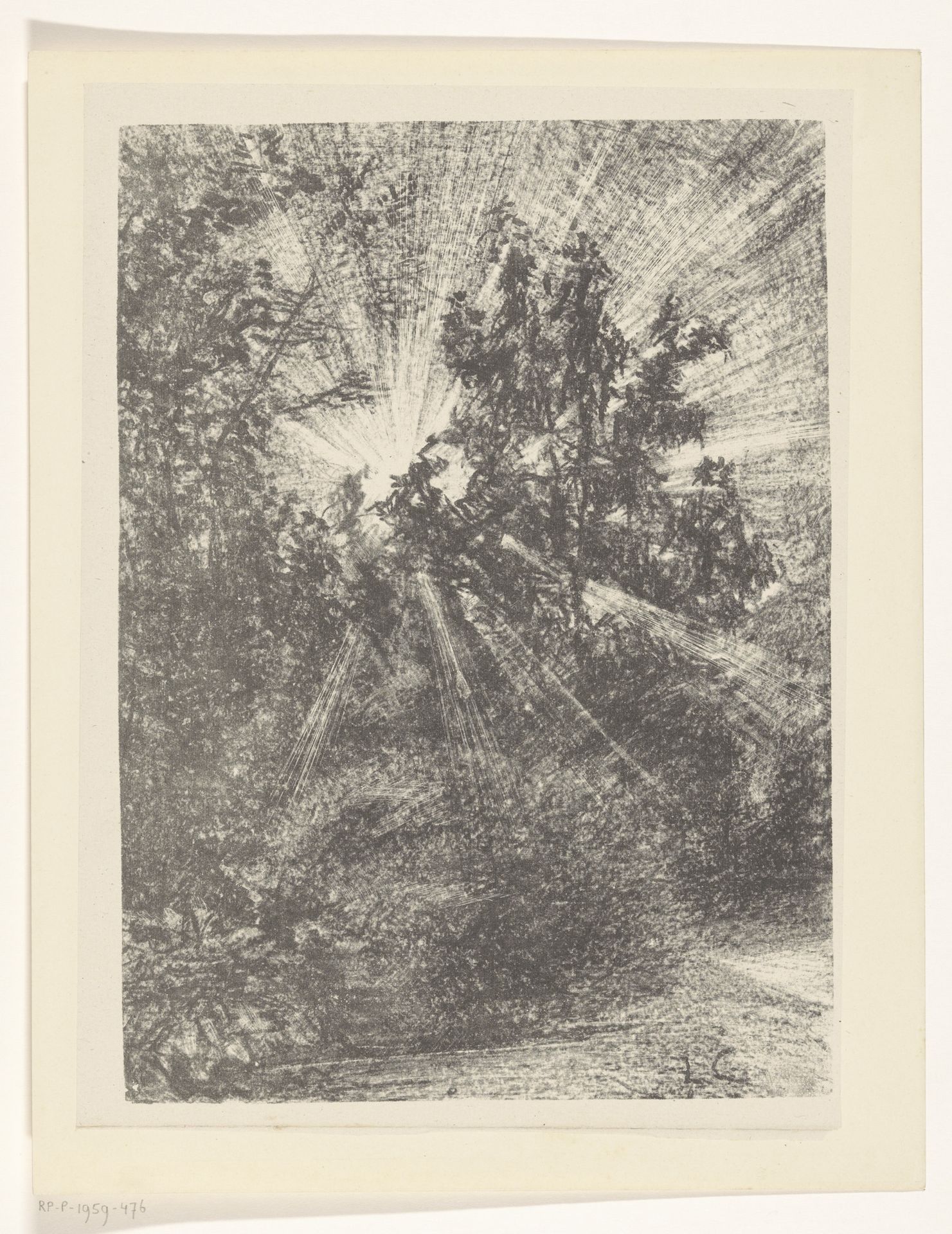
Carel Adolph Lion Cachet created this print titled 'Doorbrekende zon in een tuin', or 'Sun Breaking Through in a Garden', using etching. Considered one of the revivers of the art of etching in the Netherlands, Lion Cachet used the technique to capture an impressionistic image of light permeating a dense garden scene. During his time, there was a renewed interest in printmaking as a democratic art form. Etchings, unlike unique paintings, could be reproduced and distributed widely, making art accessible to a broader audience. This print encapsulates a moment of natural beauty, which was very fashionable at the time. However, it also reflects a shift towards more intimate and personal artistic expressions, away from traditional academic art. Prints like these provide valuable insights into the cultural values and artistic trends of the late 19th and early 20th century Netherlands. The work Lion Cachet produced allows us to consider the changing role of art institutions and the evolving relationship between art, society, and the individual.
Doorbrekende zon in een tuin 1874 - 1945

Carel Adolph Lion Cachet
1864 - 1945Location
RijksmuseumArtwork details
- Dimensions
- height 328 mm, width 258 mm
- Location
- Rijksmuseum
- Copyright
- Rijks Museum: Open Domain
Comments
No comments
About this artwork
Carel Adolph Lion Cachet created this print titled 'Doorbrekende zon in een tuin', or 'Sun Breaking Through in a Garden', using etching. Considered one of the revivers of the art of etching in the Netherlands, Lion Cachet used the technique to capture an impressionistic image of light permeating a dense garden scene. During his time, there was a renewed interest in printmaking as a democratic art form. Etchings, unlike unique paintings, could be reproduced and distributed widely, making art accessible to a broader audience. This print encapsulates a moment of natural beauty, which was very fashionable at the time. However, it also reflects a shift towards more intimate and personal artistic expressions, away from traditional academic art. Prints like these provide valuable insights into the cultural values and artistic trends of the late 19th and early 20th century Netherlands. The work Lion Cachet produced allows us to consider the changing role of art institutions and the evolving relationship between art, society, and the individual.
Comments
No comments