1523
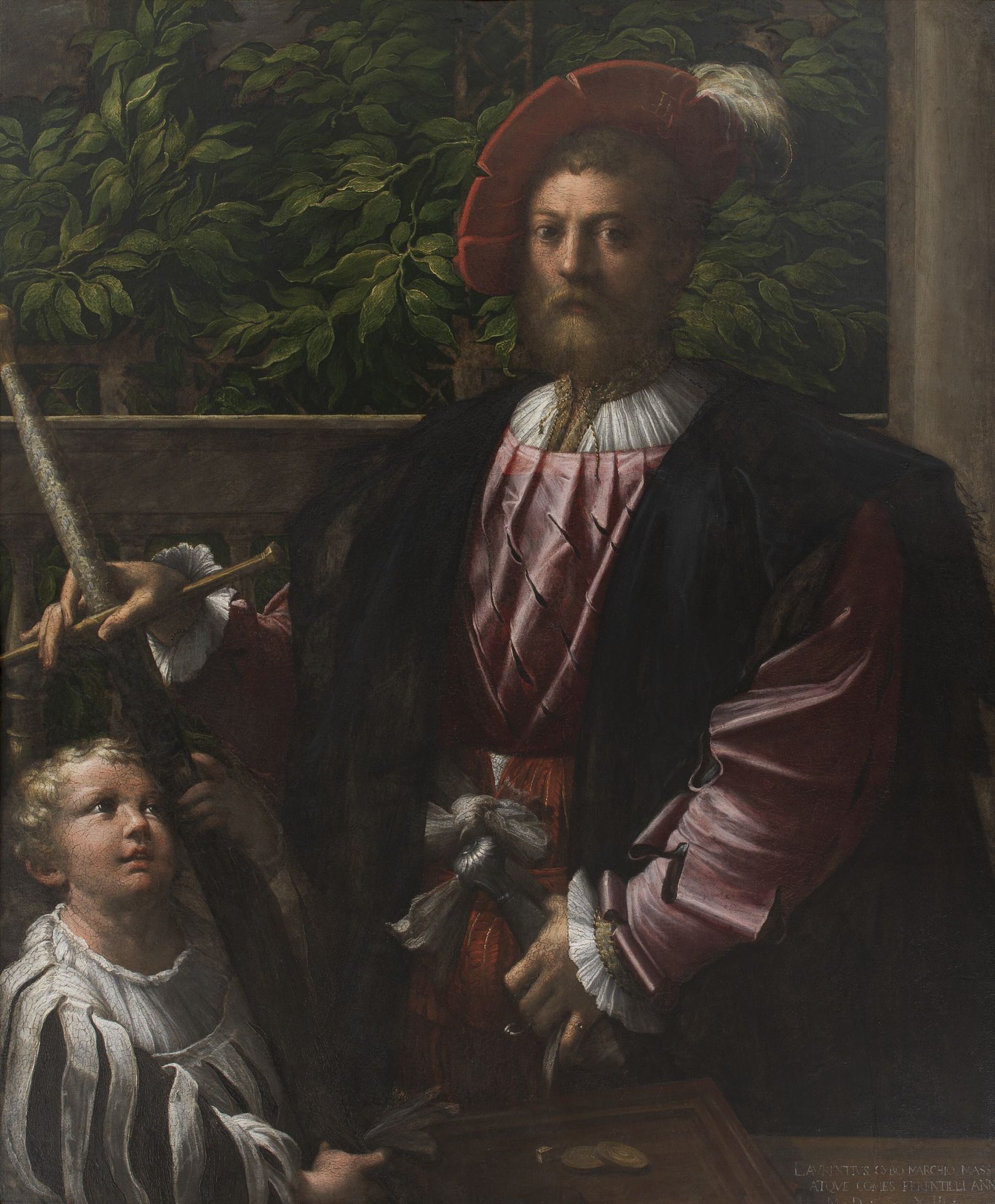
Portrait of Lorenzo Cybo


Listen to curator's interpretation
Curatorial notes
Editor: This is Parmigianino’s "Portrait of Lorenzo Cybo," created around 1523 using oil paint. It's striking how the subject is positioned so forward in the picture plane. What can we unpack here? Curator: Well, consider the opulence in the materiality of the portrait. It displays more than Cybo’s likeness; it’s a performance of wealth through its expensive materials like oil paints, and in the depiction of rich textiles. These weren't readily available, suggesting elevated social standing and power that relies on elaborate networks of trade and craftspeople. How does the painting itself become a commodity here, reflecting the consumer culture of the time? Editor: So, you’re saying the oil paint and lavish clothing were signifiers of wealth, almost as much as the portrait itself? Curator: Precisely. Note also the meticulous rendering of details – the fur, the silk, the elaborate coiffure. All made by human hands! This laborious process in itself signified value. Consider too how his garments affect posture and the performative aspect of this sort of clothing - does it inhibit certain movements, forcing someone to occupy space differently? Editor: I didn’t think about the labor aspect before. So the work isn't just about the subject, but about the means of production as well as the way the materials signal class. Curator: Exactly! It’s all about the processes and materials used, highlighting both the individual’s status and the wider networks that enable it. Thinking about material production lets us think about labor relations more expansively, no? Editor: That makes a lot of sense! Thanks - I hadn't considered that perspective, focusing more on Cybo's posture or what his expression meant before. Curator: It changes everything when we start with the tangible reality, doesn’t it?