c. late 19th century
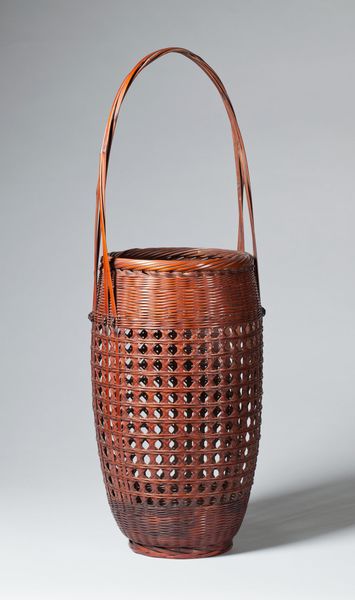
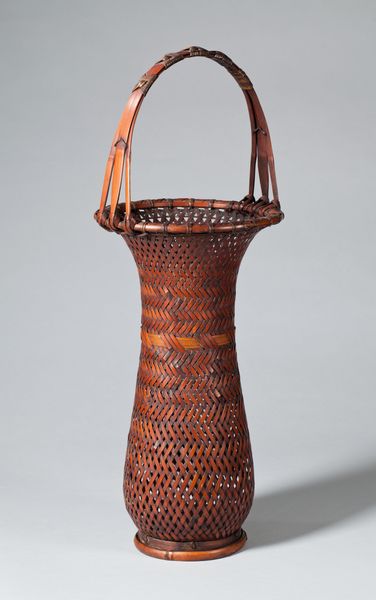
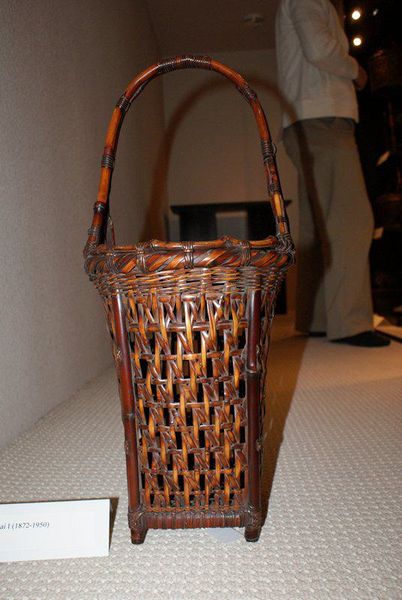
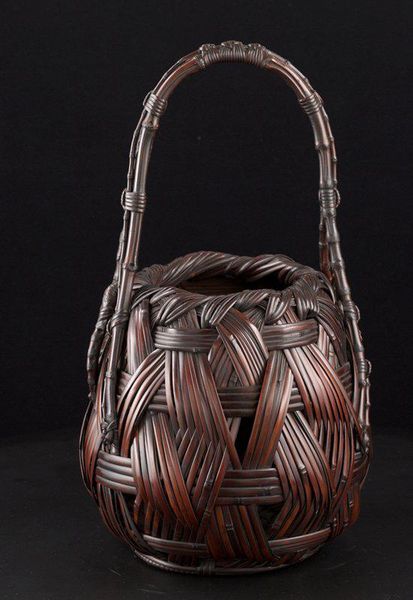
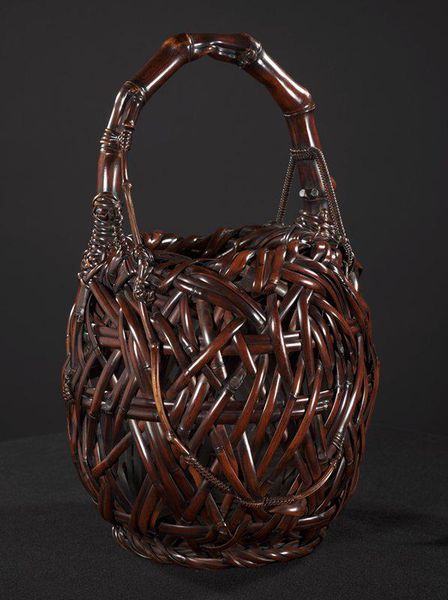
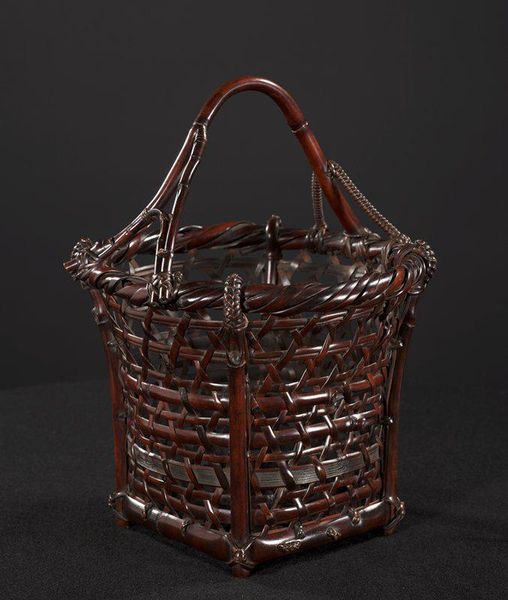
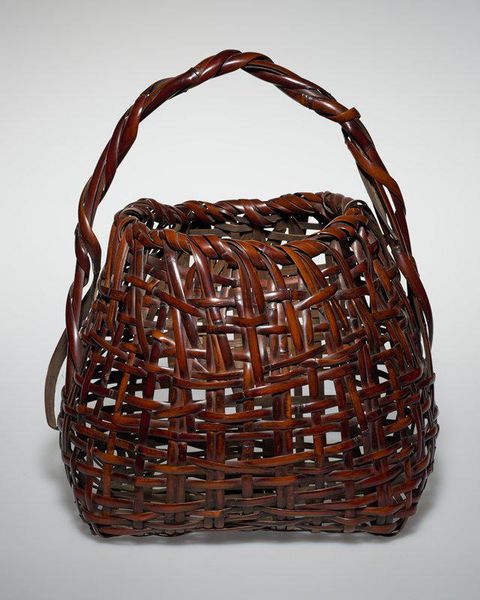
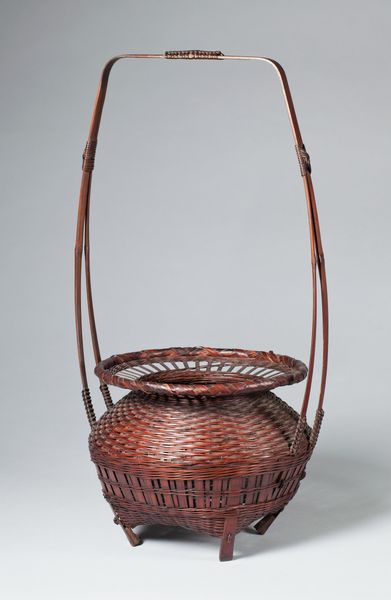
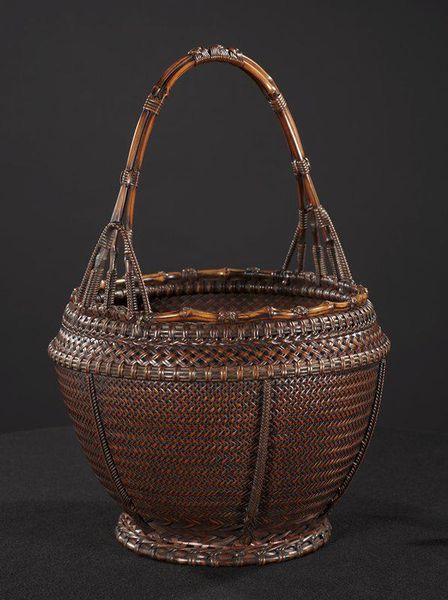
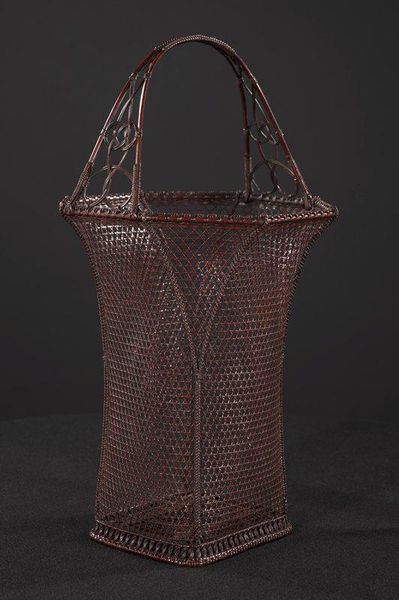
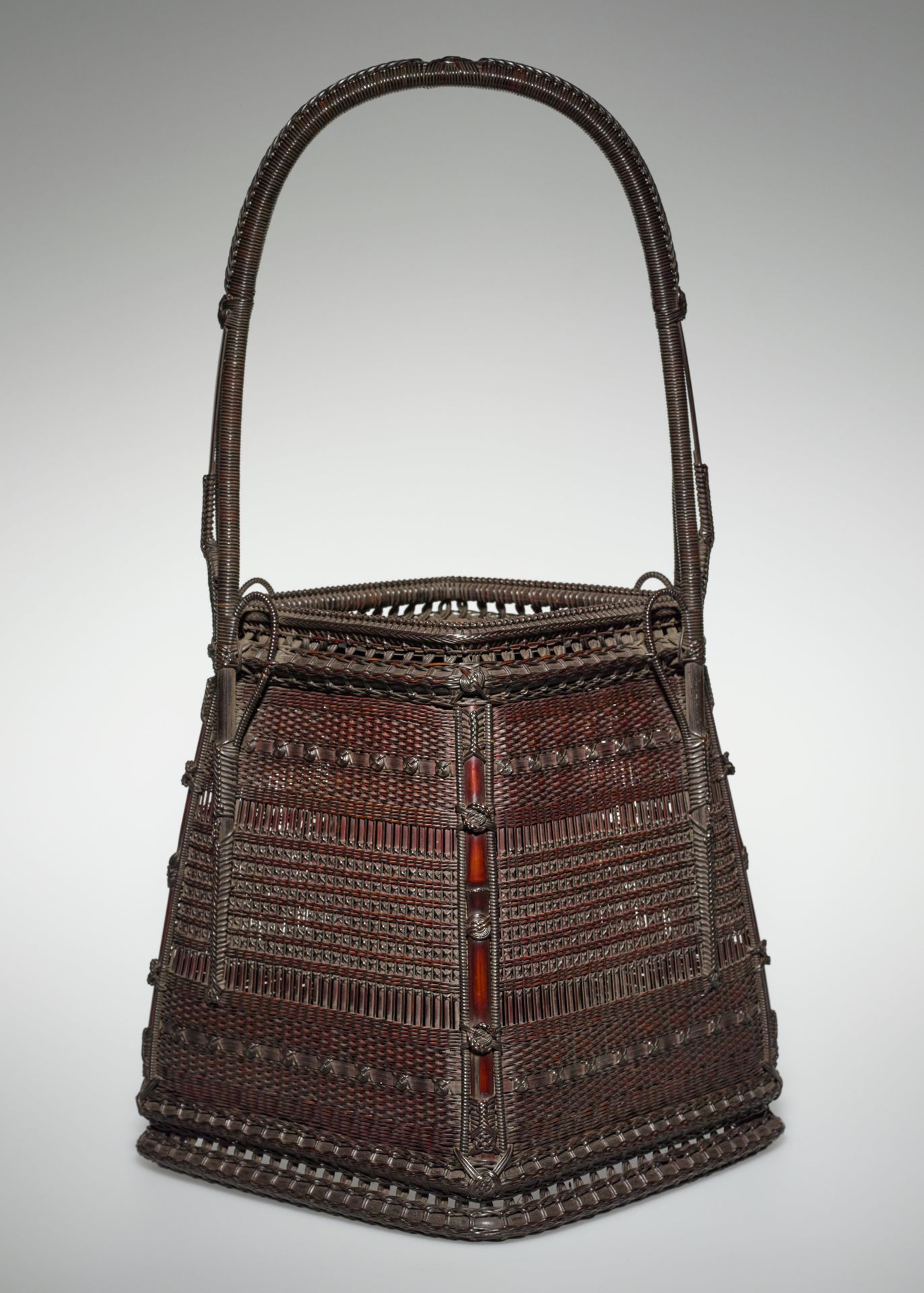
Chinese-style flower basket


Listen to curator's interpretation
Curatorial notes
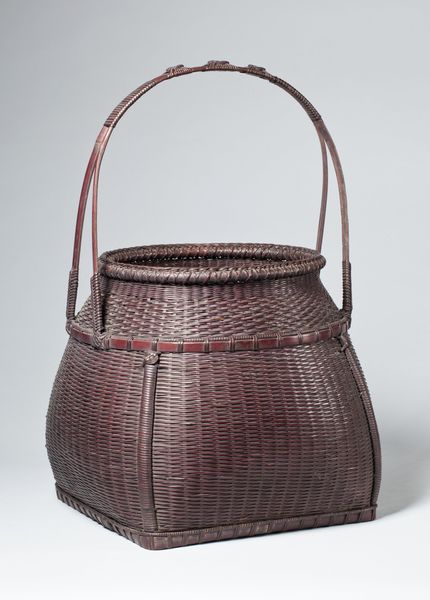
This flower basket was made by Morita Chikuami, a Japanese artist, sometime between the late 19th and mid-20th century. At first glance, it appears as a functional object, but its woven texture evokes something deeper. The basket is a vessel, a motif spanning cultures and histories, symbolizing containment, potential, and the nurturing of life. Consider the ancient Greek amphora, used to carry wine and oil, or the woven baskets of indigenous cultures, each sharing this fundamental symbolism. Baskets such as this one are containers and become metaphors for the human psyche. The act of weaving itself—interlacing disparate strands into a unified whole—resonates with the psychoanalytic concept of integrating fragmented aspects of the self. This Japanese basket, therefore, becomes more than just a container for flowers; it embodies a profound connection to our shared human experience. The care and meticulous craftsmanship involved engage us on a subconscious level, evoking feelings of warmth, security, and a longing for connection with tradition. As the saying goes, old is new again.