About this artwork
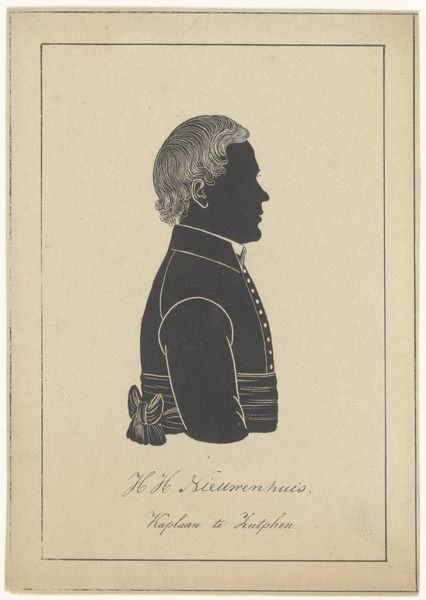
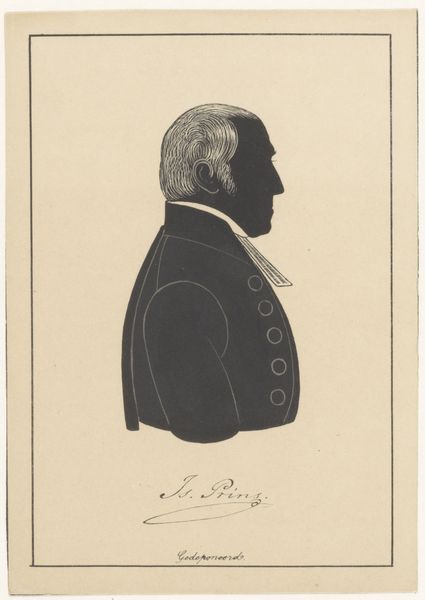
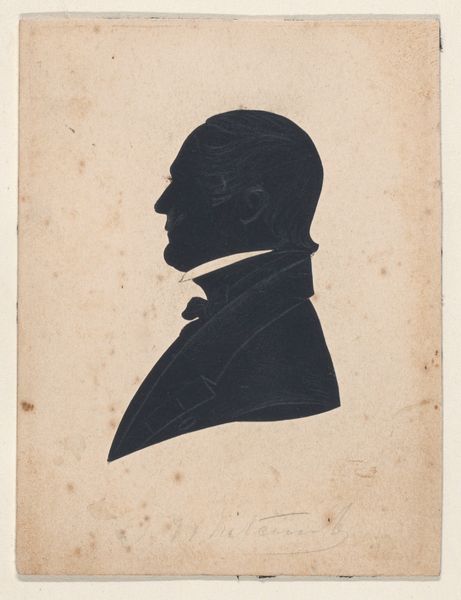
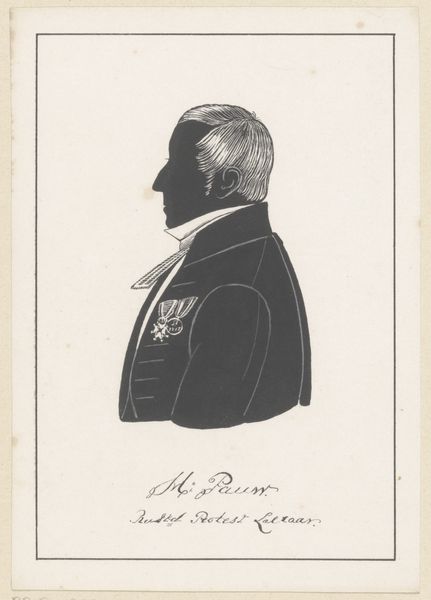
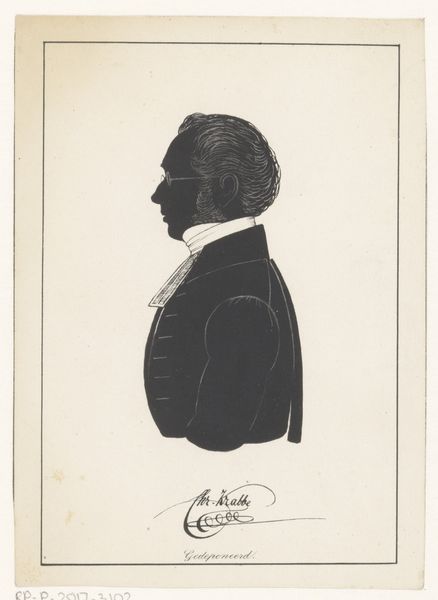
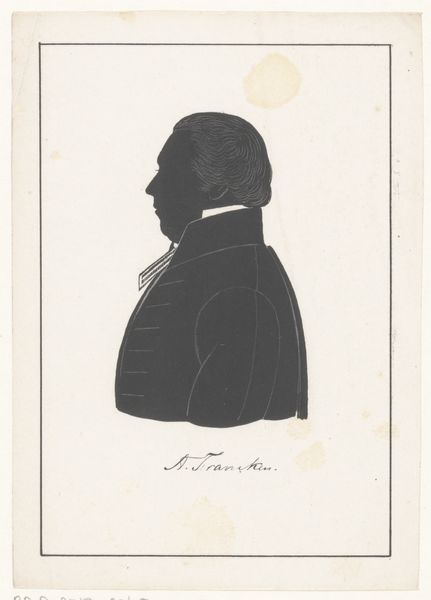
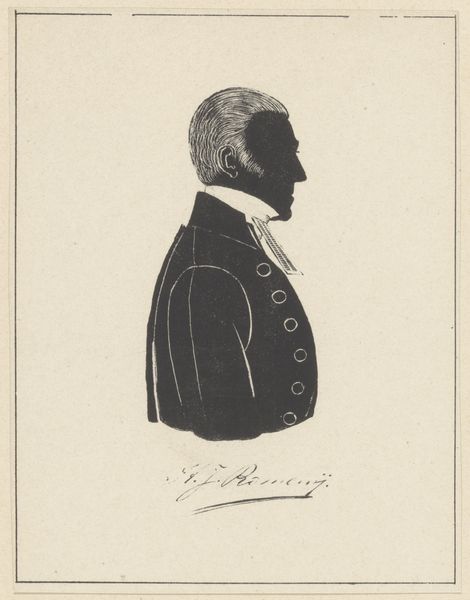
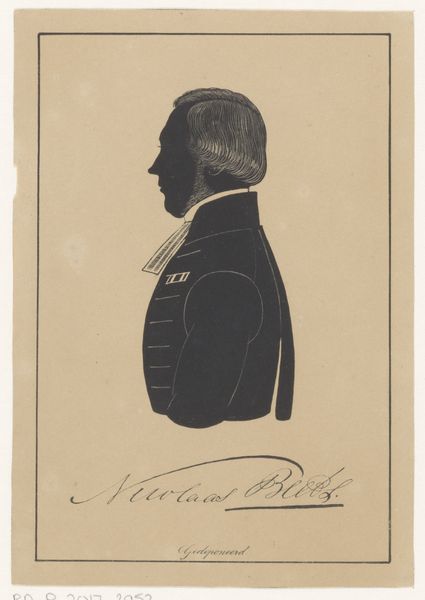
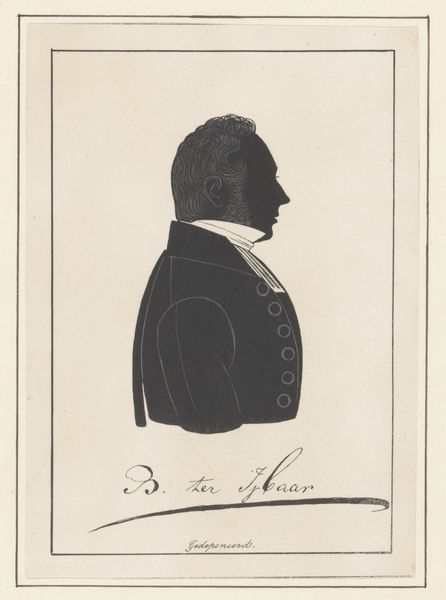
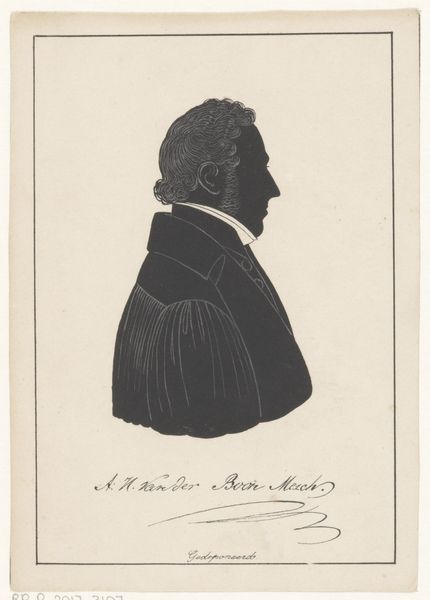
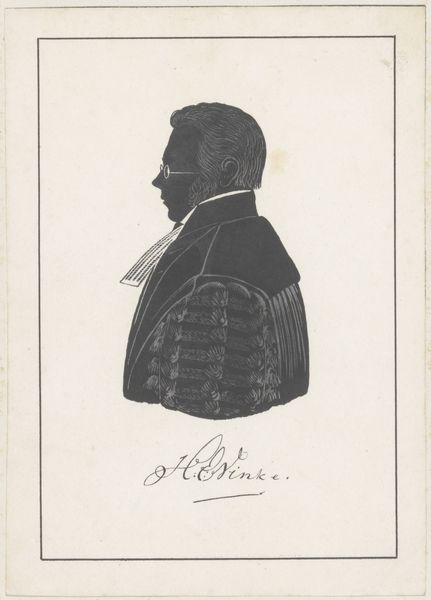
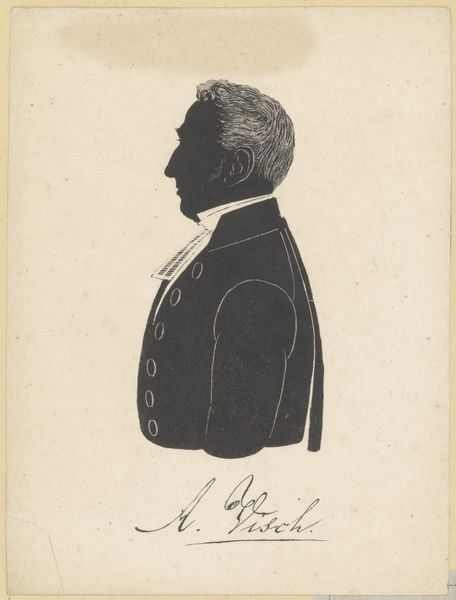
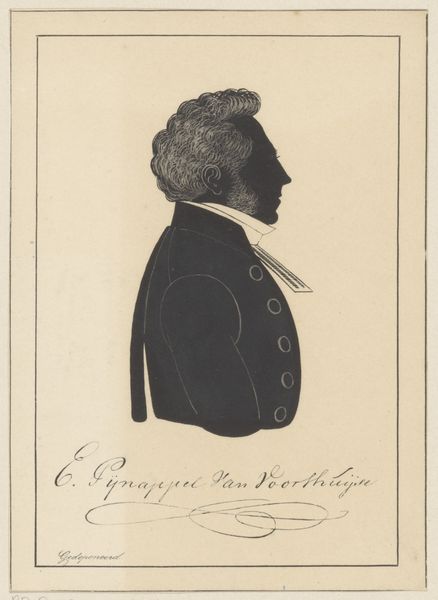
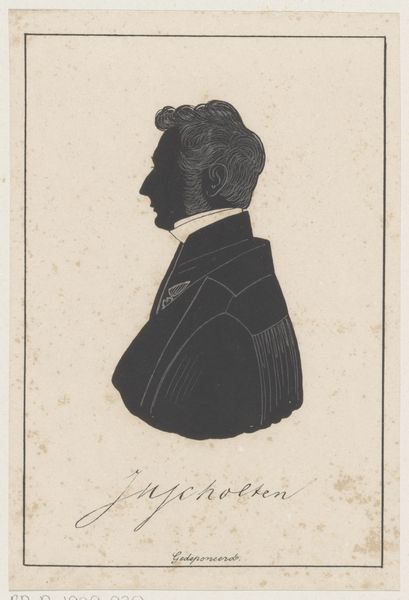
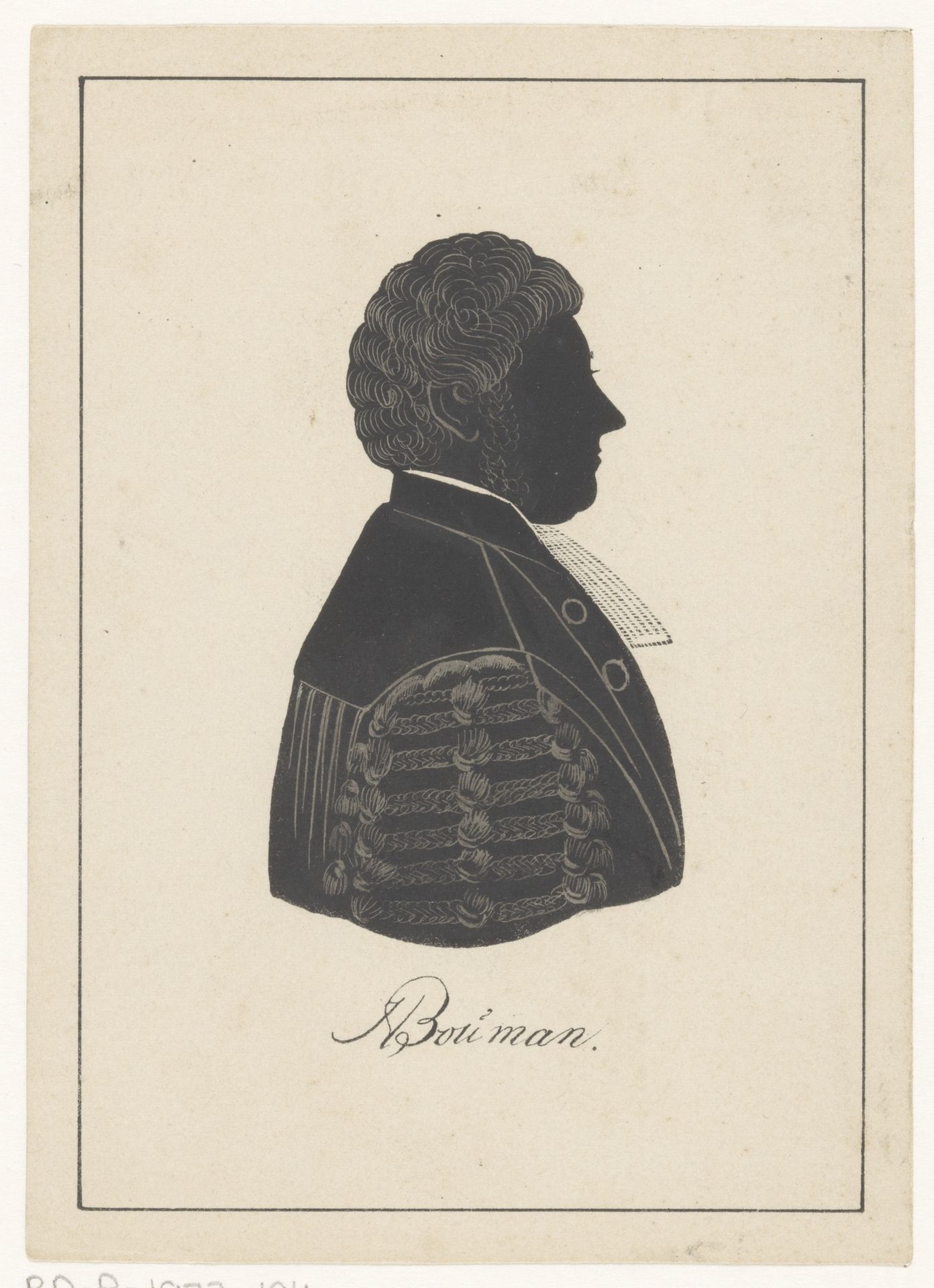
This silhouette portrait of Herman Bouman was made by an anonymous artist, using the simple technique of cutting black paper and adhering it to a contrasting backing. Silhouettes like this one were a popular, affordable alternative to painted portraits. Their creation was a skilled craft, requiring precision in cutting to capture likeness and detail. The stark contrast of black against white gives the image a striking graphic quality, emphasizing the sitter’s profile and clothing. Note the intricate details of Bouman's hair and the ornate decoration of his jacket. The silhouette was a democratic art form, making portraiture accessible to a wider audience. Yet, the level of skill required highlights the labor involved, even in seemingly simple forms of representation. This work challenges our understanding of art by blurring the lines between craft, portraiture, and social documentation. It reminds us to consider the value of accessible art forms.

Artwork details
- Medium
- drawing, graphic-art, print, intaglio
- Dimensions
- height 150 mm, width 107 mm
- Location
- Rijksmuseum
- Copyright
- Rijks Museum: Open Domain
Tags
portrait
drawing
graphic-art
intaglio
figuration
academic-art
Comments
No comments
About this artwork
This silhouette portrait of Herman Bouman was made by an anonymous artist, using the simple technique of cutting black paper and adhering it to a contrasting backing. Silhouettes like this one were a popular, affordable alternative to painted portraits. Their creation was a skilled craft, requiring precision in cutting to capture likeness and detail. The stark contrast of black against white gives the image a striking graphic quality, emphasizing the sitter’s profile and clothing. Note the intricate details of Bouman's hair and the ornate decoration of his jacket. The silhouette was a democratic art form, making portraiture accessible to a wider audience. Yet, the level of skill required highlights the labor involved, even in seemingly simple forms of representation. This work challenges our understanding of art by blurring the lines between craft, portraiture, and social documentation. It reminds us to consider the value of accessible art forms.
Comments
No comments