1965
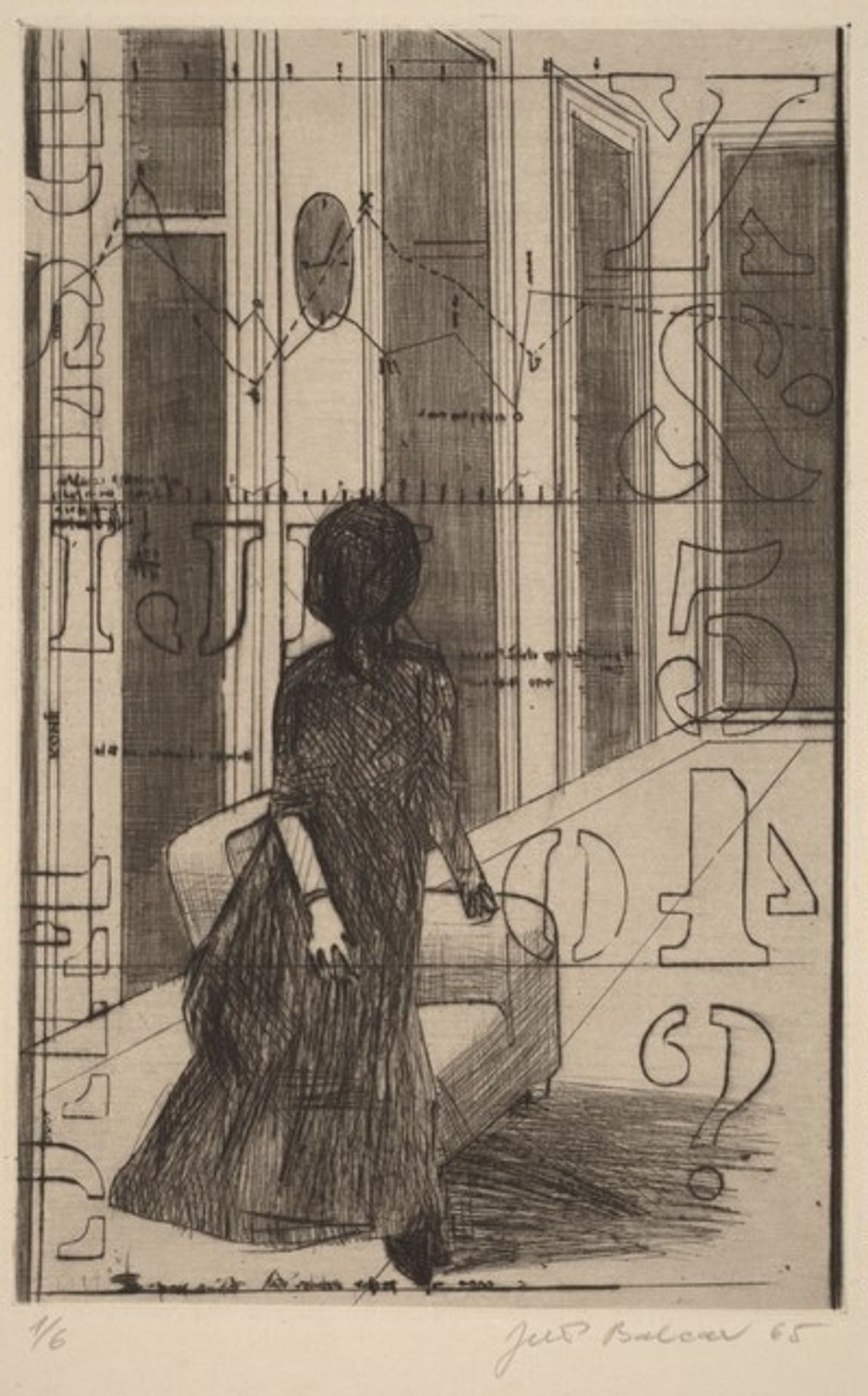
Lady


Listen to curator's interpretation
Curatorial notes
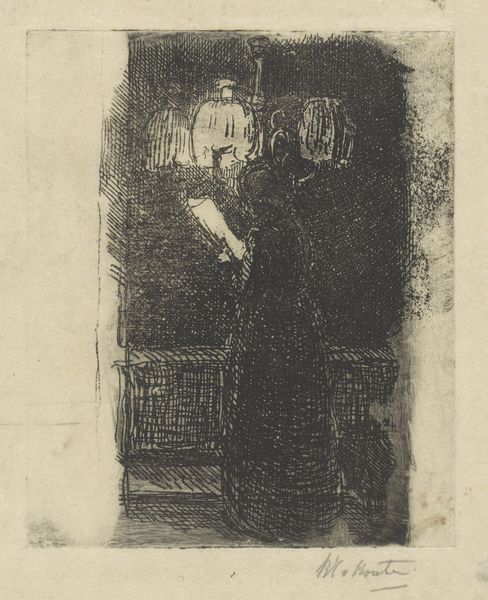
Jirí Balcar created this etching, titled Lady, in 1965. This print encapsulates the anxieties of post-war Czechoslovakia, caught between Soviet control and a desire for Western freedoms. Balcar uses the figure of a woman, seen from behind, as a cipher for the individual. The superimposition of numbers, letters, and graphs evokes the sense of being caught in a system, perhaps one of social control. The faceless figure suggests a loss of identity. Made during a time of relative cultural thaw, it subtly critiques the social structures of its time. Understanding this work requires a broader historical lens. Research into the cultural policies of the Eastern Bloc, as well as the personal history of the artist, provides more insight. Art isn't created in a vacuum; it's a product of specific social conditions and institutions. Its meaning is contingent on understanding this context.