About this artwork
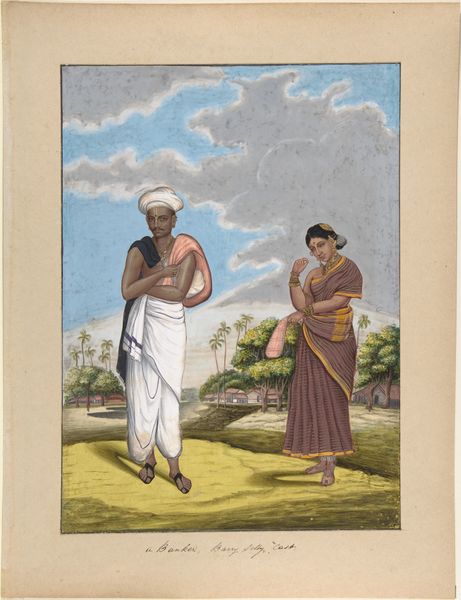
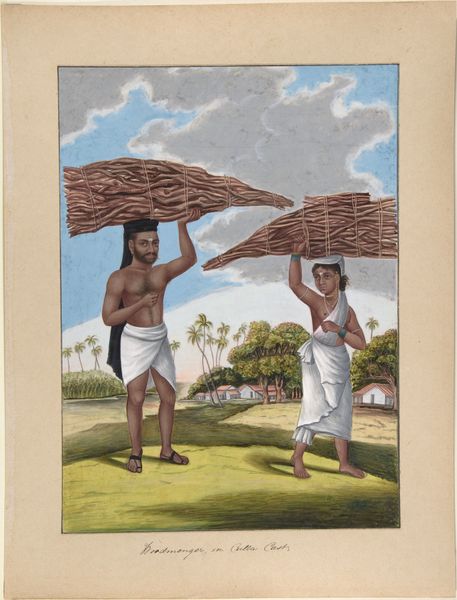
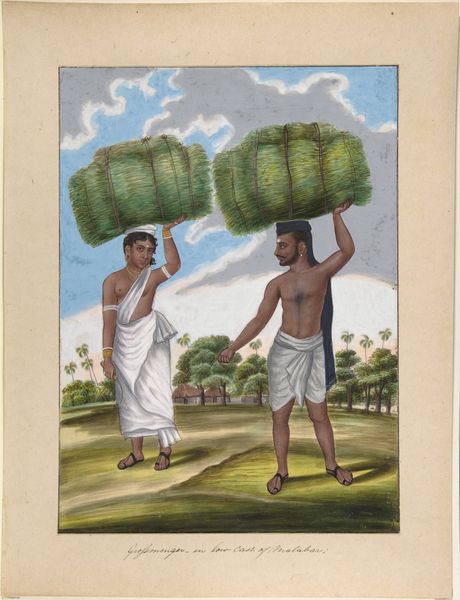
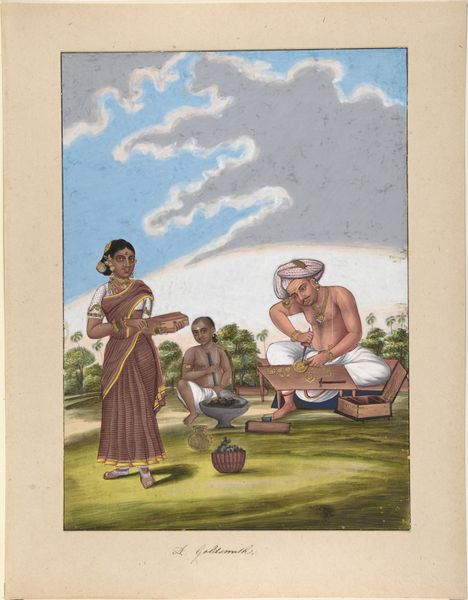
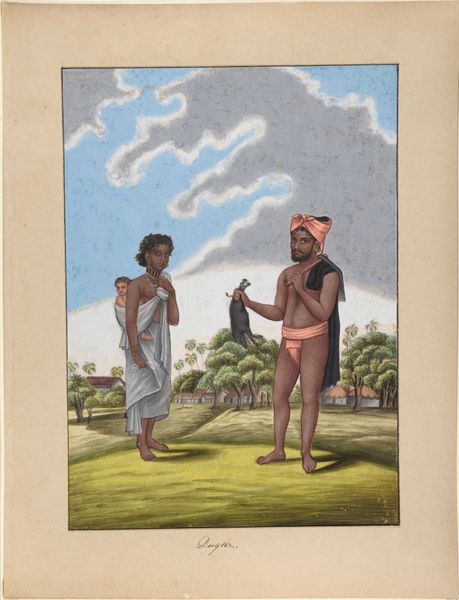
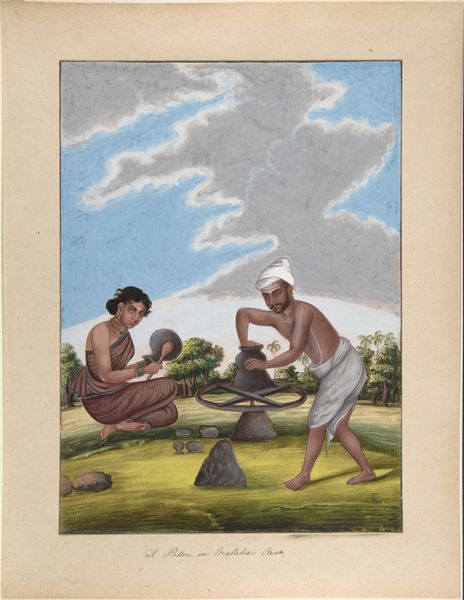
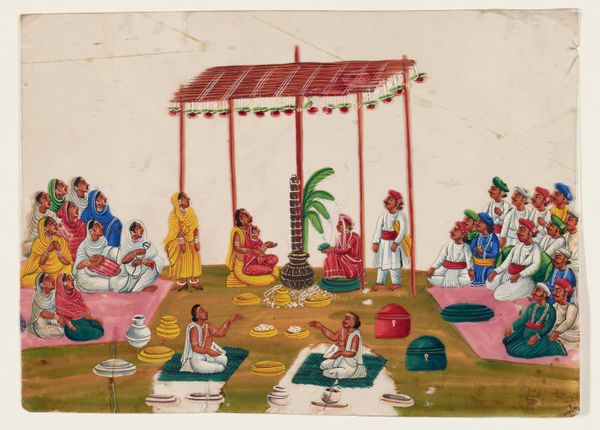
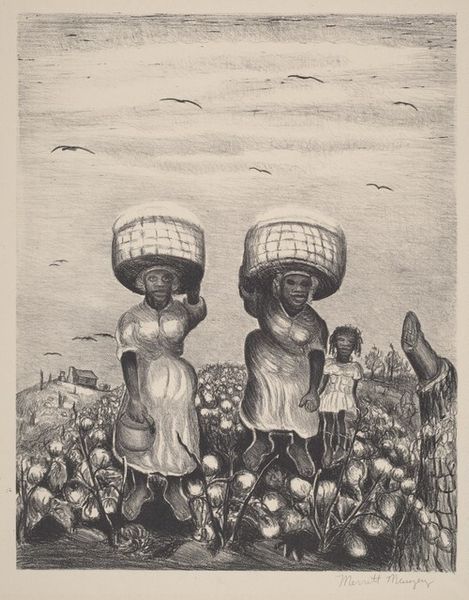
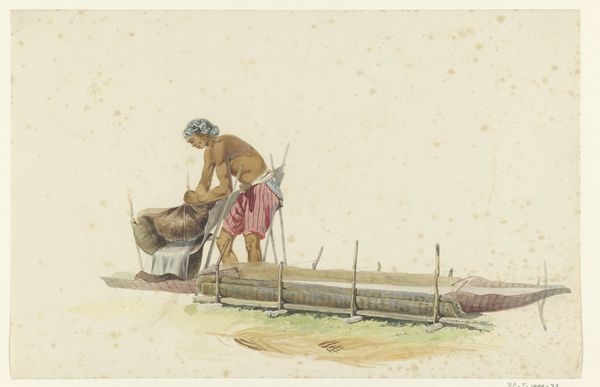
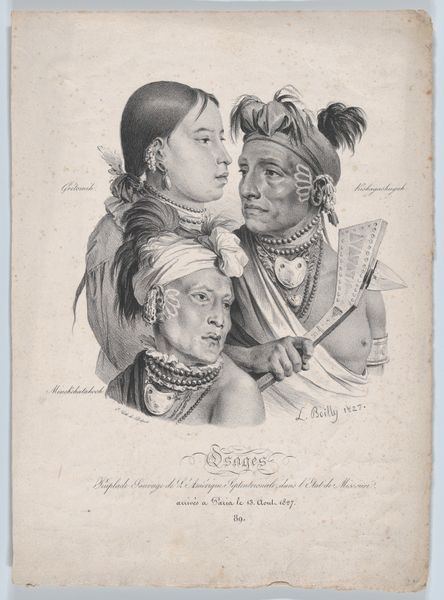
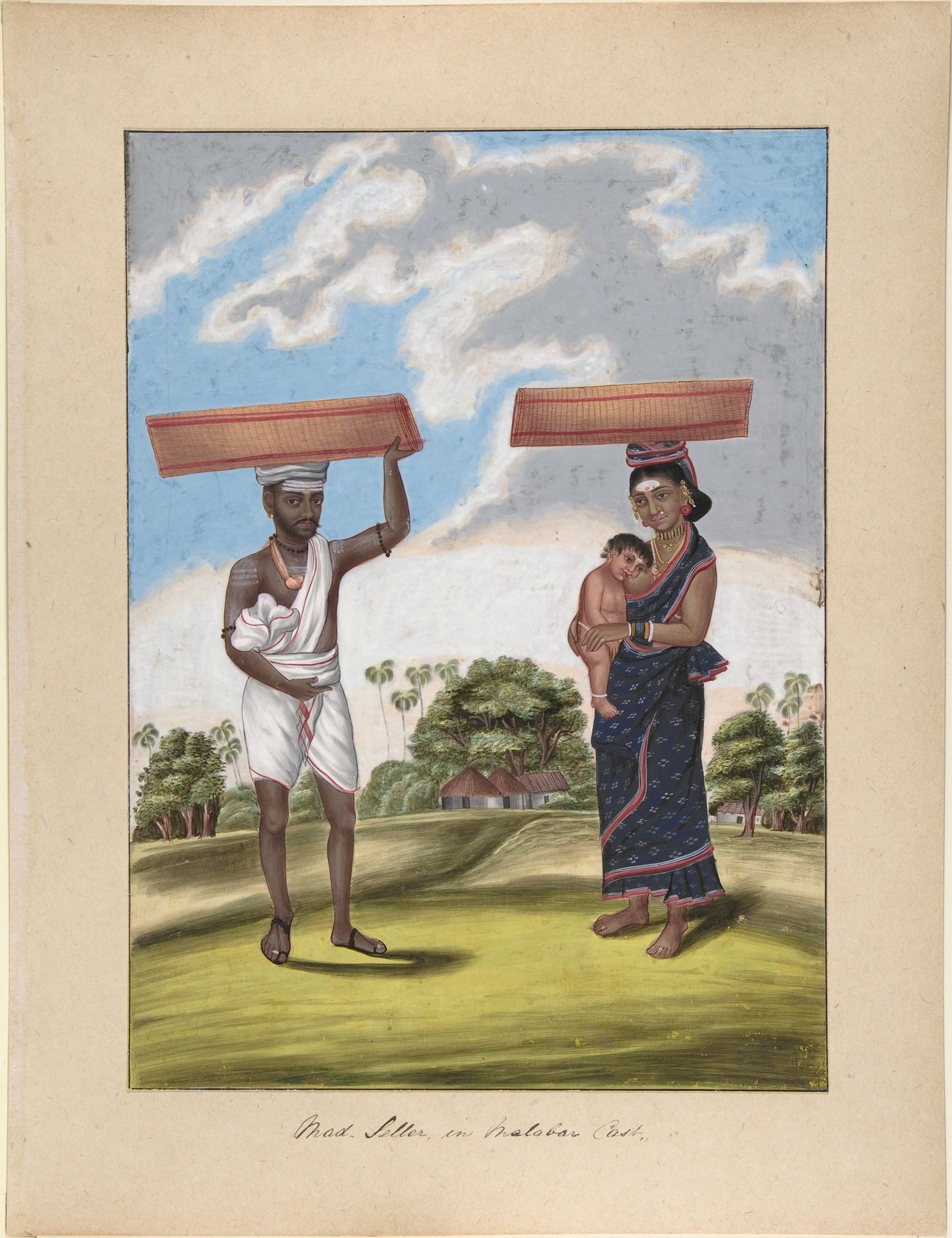
This watercolor painting of a husband and wife, described as “Mad-seller, in Malabar Cast,” comes from an unknown artist, likely working for the British East India Company. Paintings like this were often commissioned by the British to document local trades and castes. The painting’s delicate brushwork captures the figures carrying woven baskets, perhaps filled with goods for sale. The way the artist depicts the figures, particularly their clothing and jewelry, reflects a keen eye for detail and a desire to accurately portray their social status. The painting is not just a depiction of labor, but also a reflection of the social hierarchy of the time. The Mad-seller’s caste, their occupation, and even their attire, were all meticulously recorded, contributing to a visual archive of Indian life under British influence. By focusing on the materials and the social context, we gain a deeper understanding of the painting's significance, moving beyond a simple image to a complex commentary on labor, identity, and colonial power.
Mad-seller, in Malabar Cast, from Indian Trades and Castes
1835 - 1845


Artwork details
- Medium
- drawing, watercolor
- Dimensions
- sheet: 14 3/8 x 10 3/8 in. (36.5 x 26.4 cm) mount: 18 1/4 x 14 1/4 in. (46.4 x 36.2 cm)
- Location
- Metropolitan Museum of Art, New York, NY
- Copyright
- Public Domain
Tags
drawing
narrative-art
figuration
watercolor
19th century
men
watercolour illustration
Comments
Be the first to share your thoughts about this work.
About this artwork
This watercolor painting of a husband and wife, described as “Mad-seller, in Malabar Cast,” comes from an unknown artist, likely working for the British East India Company. Paintings like this were often commissioned by the British to document local trades and castes. The painting’s delicate brushwork captures the figures carrying woven baskets, perhaps filled with goods for sale. The way the artist depicts the figures, particularly their clothing and jewelry, reflects a keen eye for detail and a desire to accurately portray their social status. The painting is not just a depiction of labor, but also a reflection of the social hierarchy of the time. The Mad-seller’s caste, their occupation, and even their attire, were all meticulously recorded, contributing to a visual archive of Indian life under British influence. By focusing on the materials and the social context, we gain a deeper understanding of the painting's significance, moving beyond a simple image to a complex commentary on labor, identity, and colonial power.
Comments
Be the first to share your thoughts about this work.