before 1898
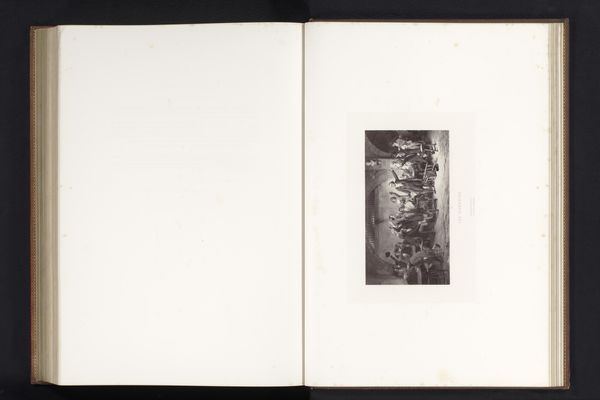
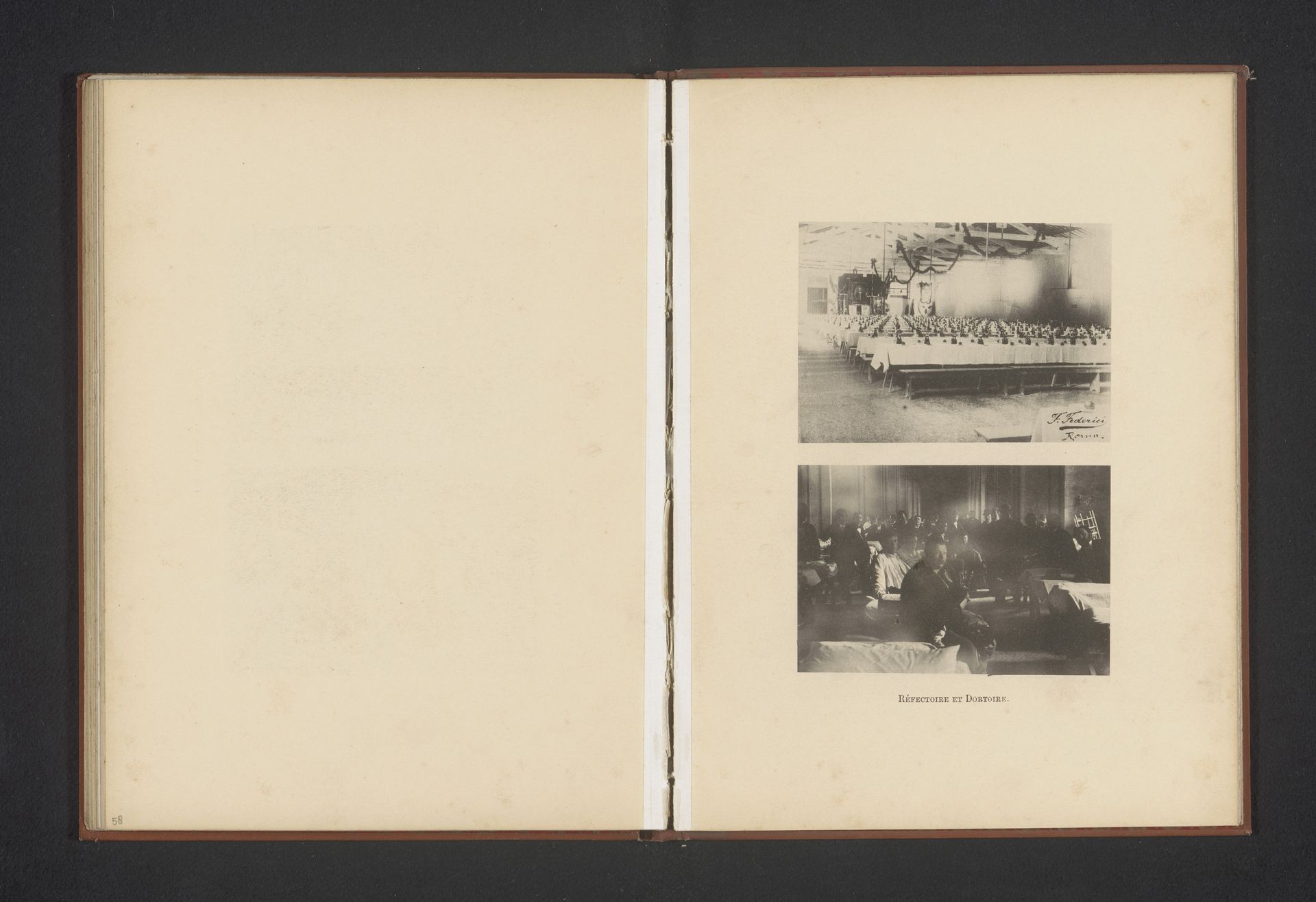
Groep mannen in een slaapzaal

Listen to curator's interpretation
Curatorial notes
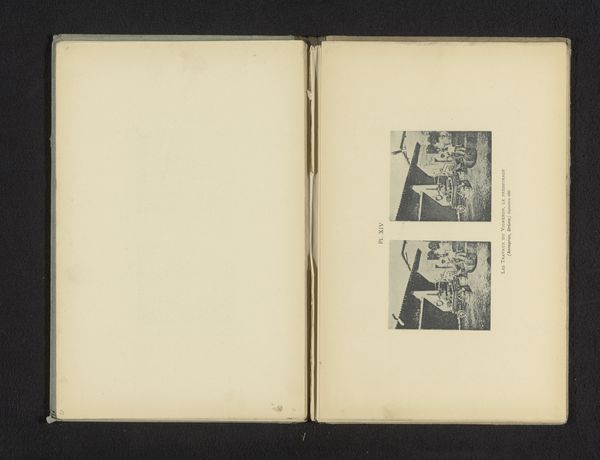
Editor: Here we have "Groep mannen in een slaapzaal," a gelatin-silver print from before 1898 by an anonymous photographer. I'm struck by the contrast between the stark, almost clinical setting and the evident human presence. What stands out to you in this piece? Curator: What’s most compelling here is how the medium itself, the gelatin-silver print, becomes a document of labor and social structure. Look closely. The photographic process, with its specific chemical properties and its reliance on both skilled labor in its creation and the social conditions that allowed it to depict the scene. It highlights that tension of realism as a visual rhetoric shaped by economic factors and distribution chains. Editor: So you're saying the materiality of the photograph informs how we perceive the men and their environment? Curator: Precisely. The act of creating this image is inherently tied to material resources and power structures. It isn't merely capturing a scene; it is produced and packaged within a market that assigns value and circulates these representations. How were these prints intended to be used? Who was the intended consumer? Understanding that helps deconstruct what feels initially straightforward in the depiction. What does seeing two separate prints together on a bound page suggest to you about its original display or audience? Editor: It hints at an archival purpose, almost like a study or record... Perhaps intended for sociological purposes? I had not considered it that way! Curator: Exactly. We can't separate the photograph from its existence as a tangible object consumed within social relations, produced through industrial means and human effort. Editor: That perspective truly shifts my focus – now I’m pondering about its social purpose rather than getting lost in details. Thank you.