1870
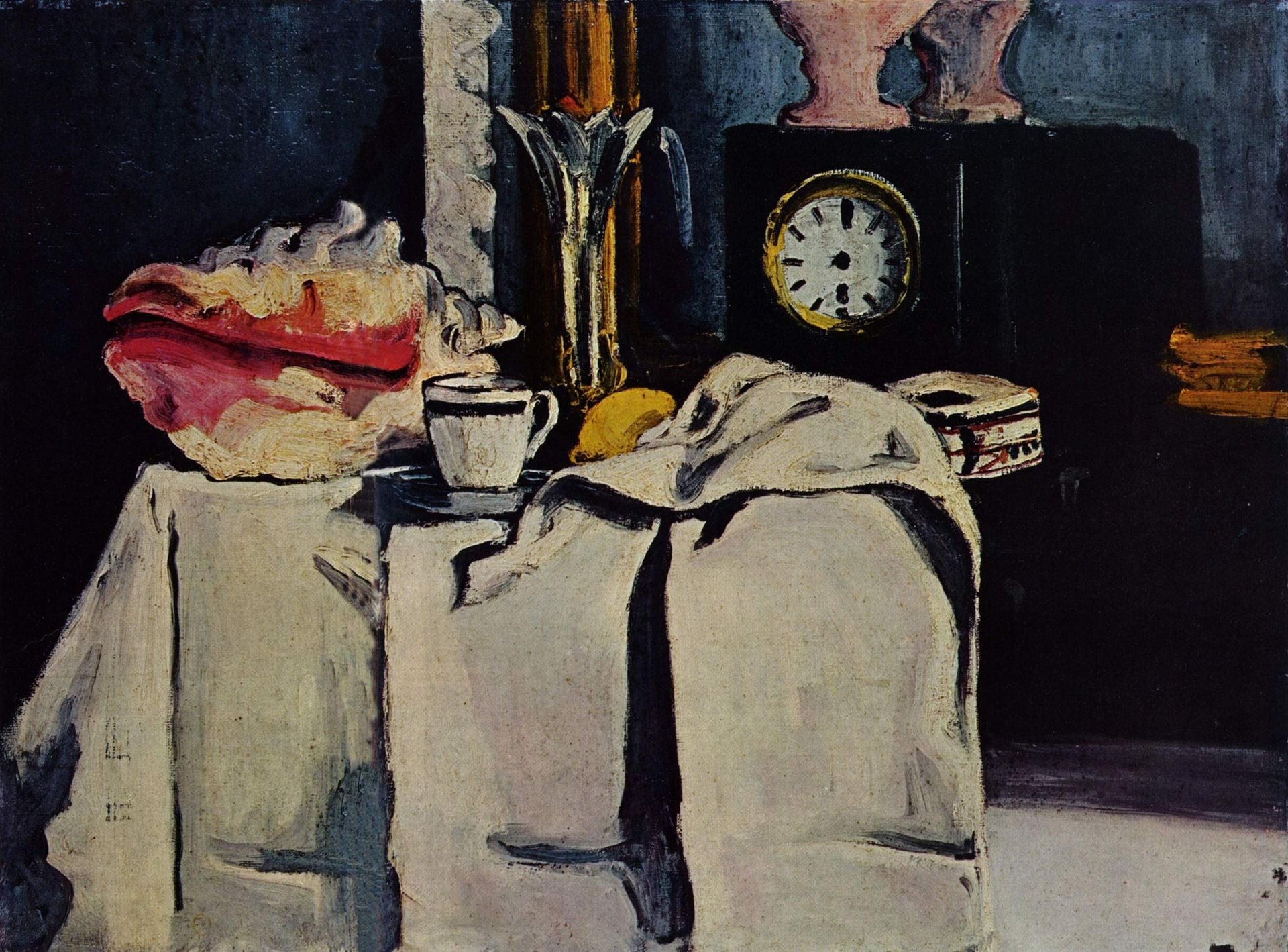
The Black Marble Clock

Paul Cézanne
1839 - 1906Location
Private CollectionListen to curator's interpretation
Curatorial notes
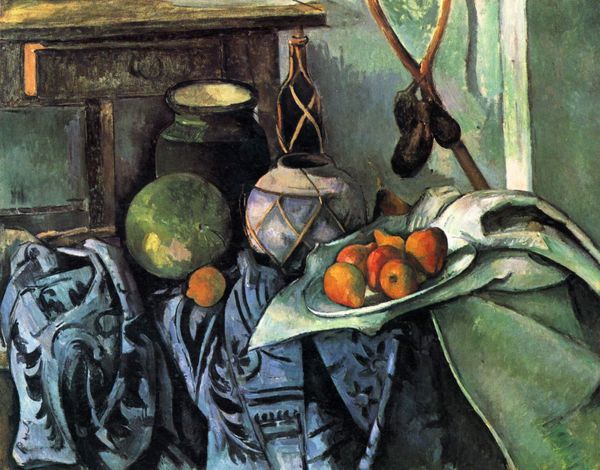
Paul Cézanne painted The Black Marble Clock using oil on canvas at an unknown date. Cézanne’s interest here isn't in capturing reality, but in the way a still life can be constructed through paint. You can see his process in the brushstrokes, each one a deliberate mark adding to the overall composition. He's not trying to hide the labor, but rather highlight it. The materials themselves—oil paint, canvas—are quite traditional, yet Cézanne uses them in a way that feels modern. The thick application of paint gives a tactile quality, almost as if you could reach out and touch the objects. This emphasis on the materiality of the painting challenges the idea of art as mere representation. Cézanne elevates the everyday, inviting us to see beauty in the simplest of objects. It's a reminder that the value of art isn't just in what it depicts, but in how it's made, and the unique perspective the artist brings to the process.