before 1865
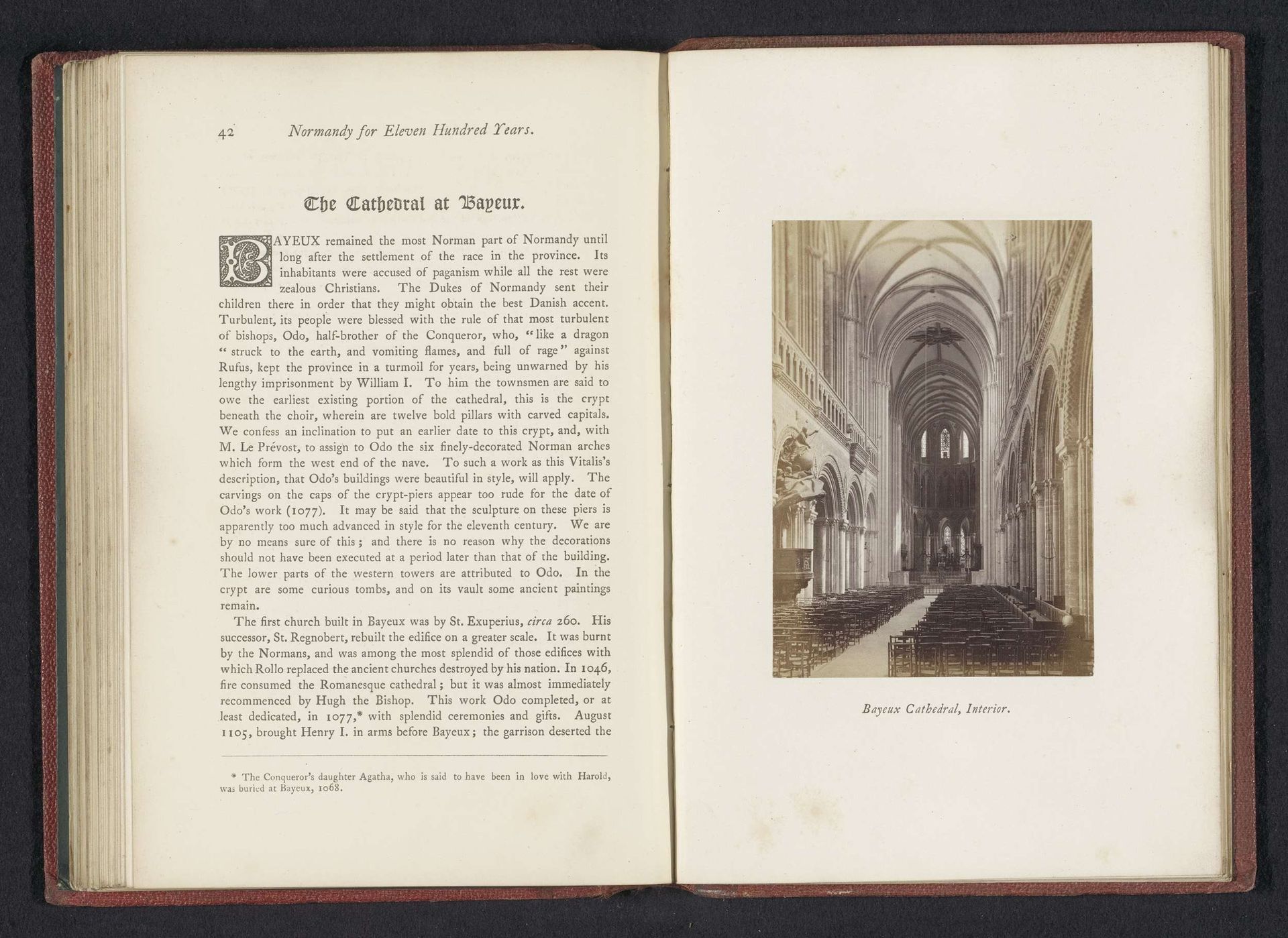
Bayeux Cathedral, interior

Listen to curator's interpretation
Curatorial notes
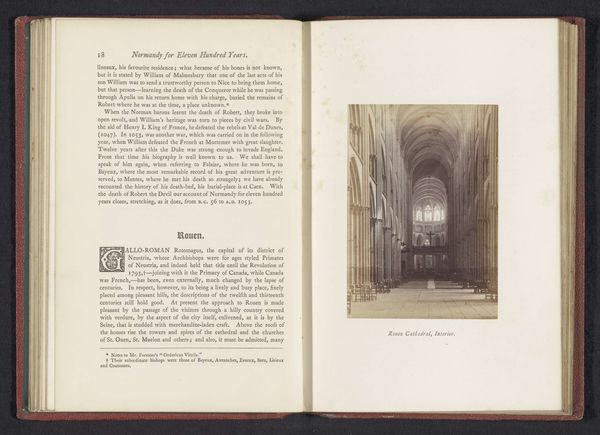
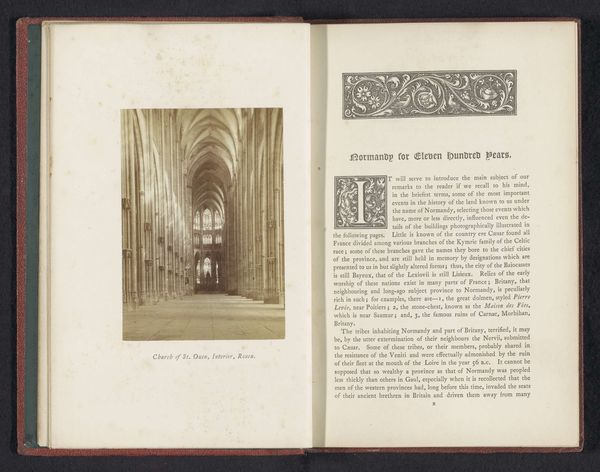
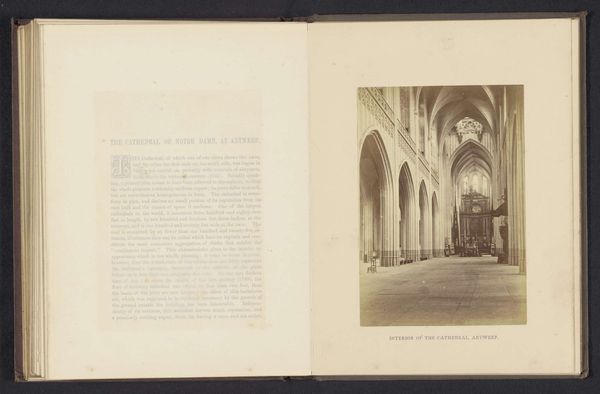
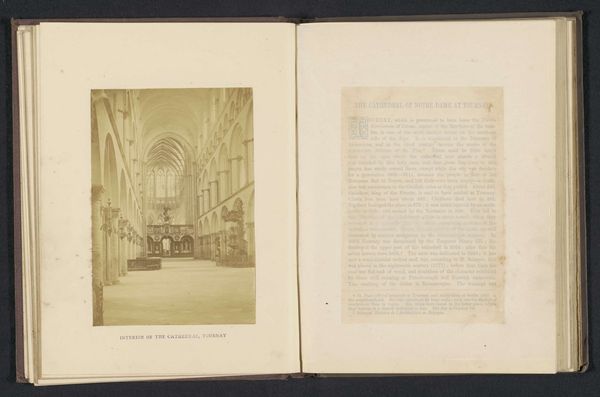
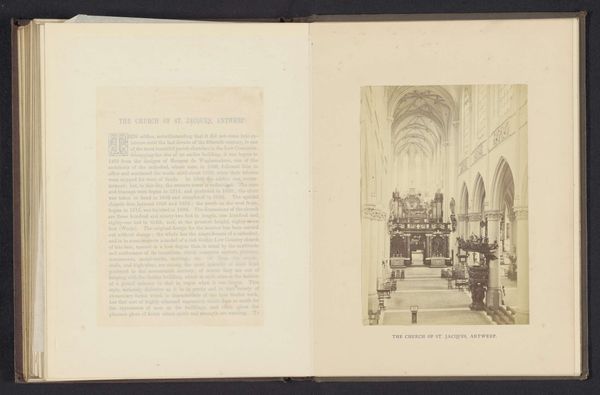
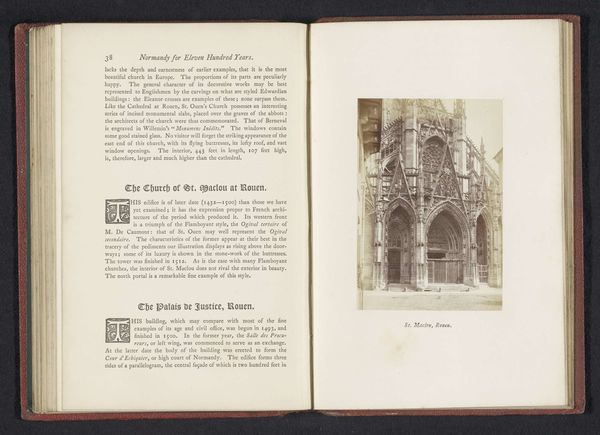
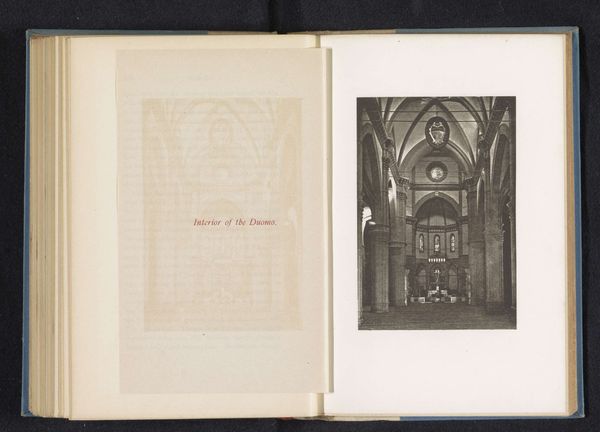
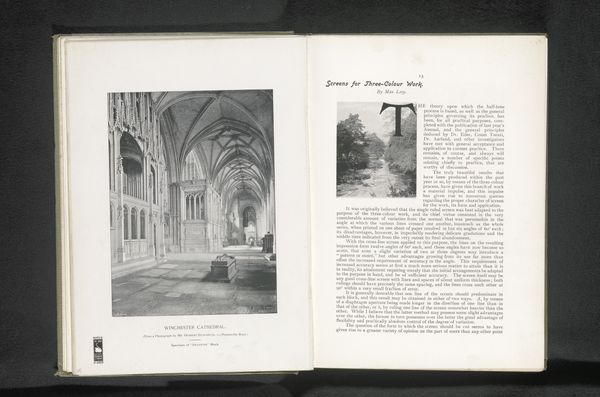
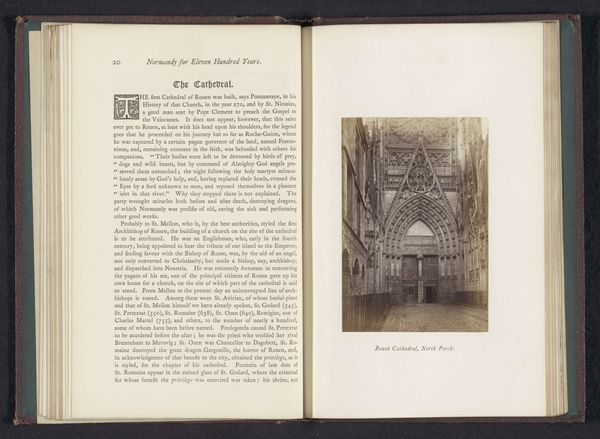
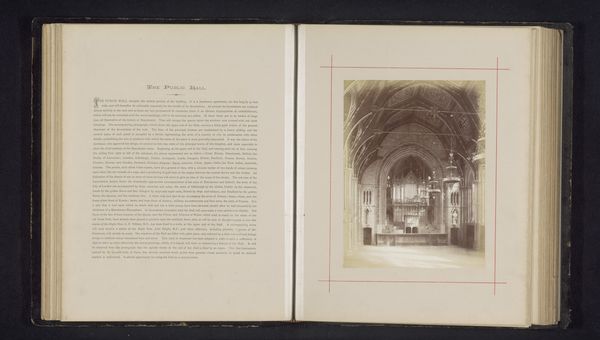
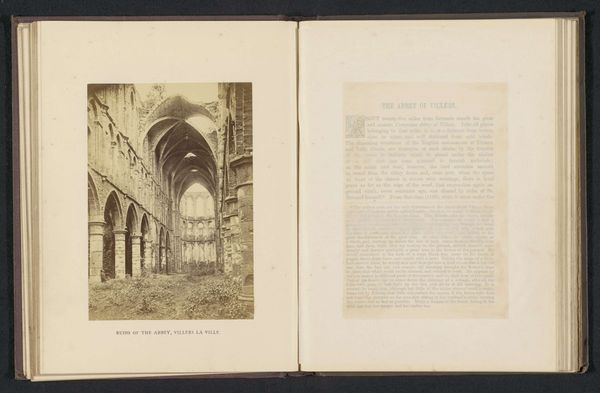
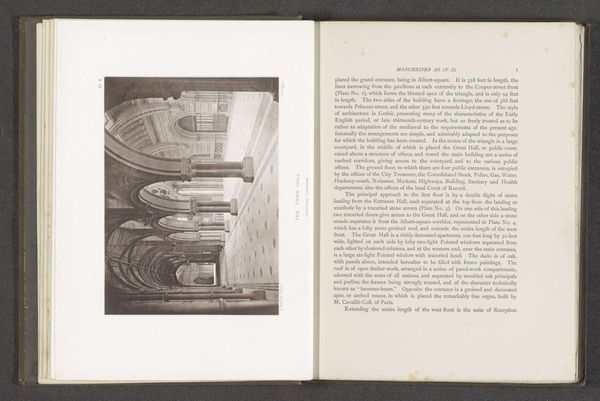
Curator: Have you seen this gelatin silver print from before 1865, titled "Bayeux Cathedral, Interior"? Joseph Cundall, the photographer, really captured something timeless here. Editor: Immediately, I’m struck by how empty the space feels, despite the obvious grandeur. It's like a stage set for a drama yet to unfold, all cool tones and vertical thrust. What do you make of the composition? Curator: The starkness works for me. I see it as a document of power, really. The cathedral's architecture—it's a blend of medieval and Romanesque styles, built to inspire awe, meant to position the viewer in a space of insignificance. You know, kneel before the power! Editor: Exactly. Considering that cathedrals are, by design, centers of socio-political and spiritual power, this photograph becomes a commentary. Cundall presents the architecture as an instrument—not just for prayer, but for imposing a specific ideological order. Look how the light emphasizes the height, drawing the eye upward and away, suggesting aspiration, sure, but also control. Curator: I hadn't thought of it as that way, though you're right. But it also highlights something so ephemeral: the light filtering through those high windows. The divine as something tangible. The long exposure necessary for a photograph back then certainly helps, freezing that light and emphasizing it within the otherwise heavy stone structure. Editor: True, the contrast is compelling. Yet it raises questions about access. Who historically had the privilege to experience this space, to interpret its meaning, and how was that meaning dictated? I look at this and wonder whose voices were—and continue to be—silenced within those towering walls. Curator: Well, putting that in my palette changes my view somewhat, but doesn't that tension almost… beautify the image, even further? I find myself now wondering about the communities outside those doors as well. Editor: It reframes the experience, certainly, making the photograph itself a site of critical engagement rather than simple aesthetic appreciation. Thanks for sharing, it has shifted my focus substantially.