About this artwork
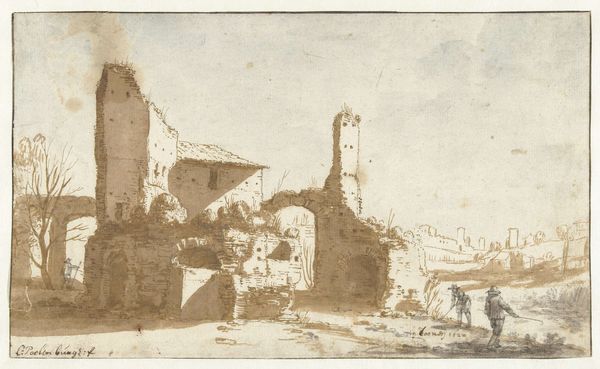
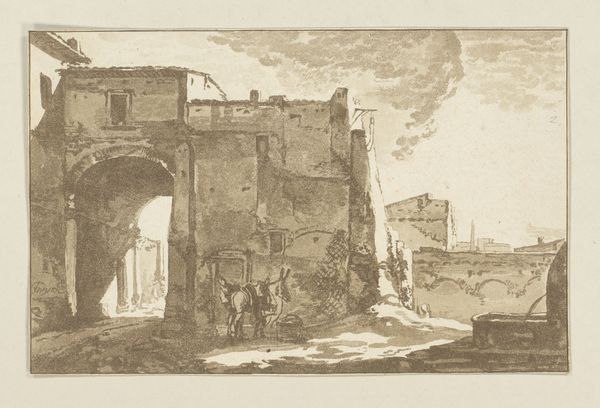
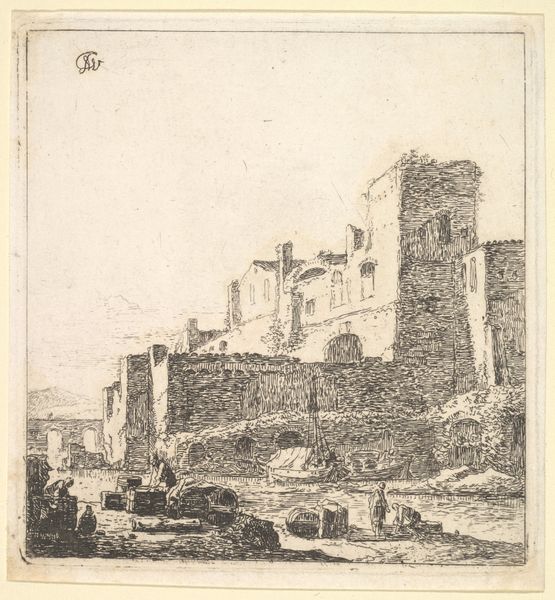
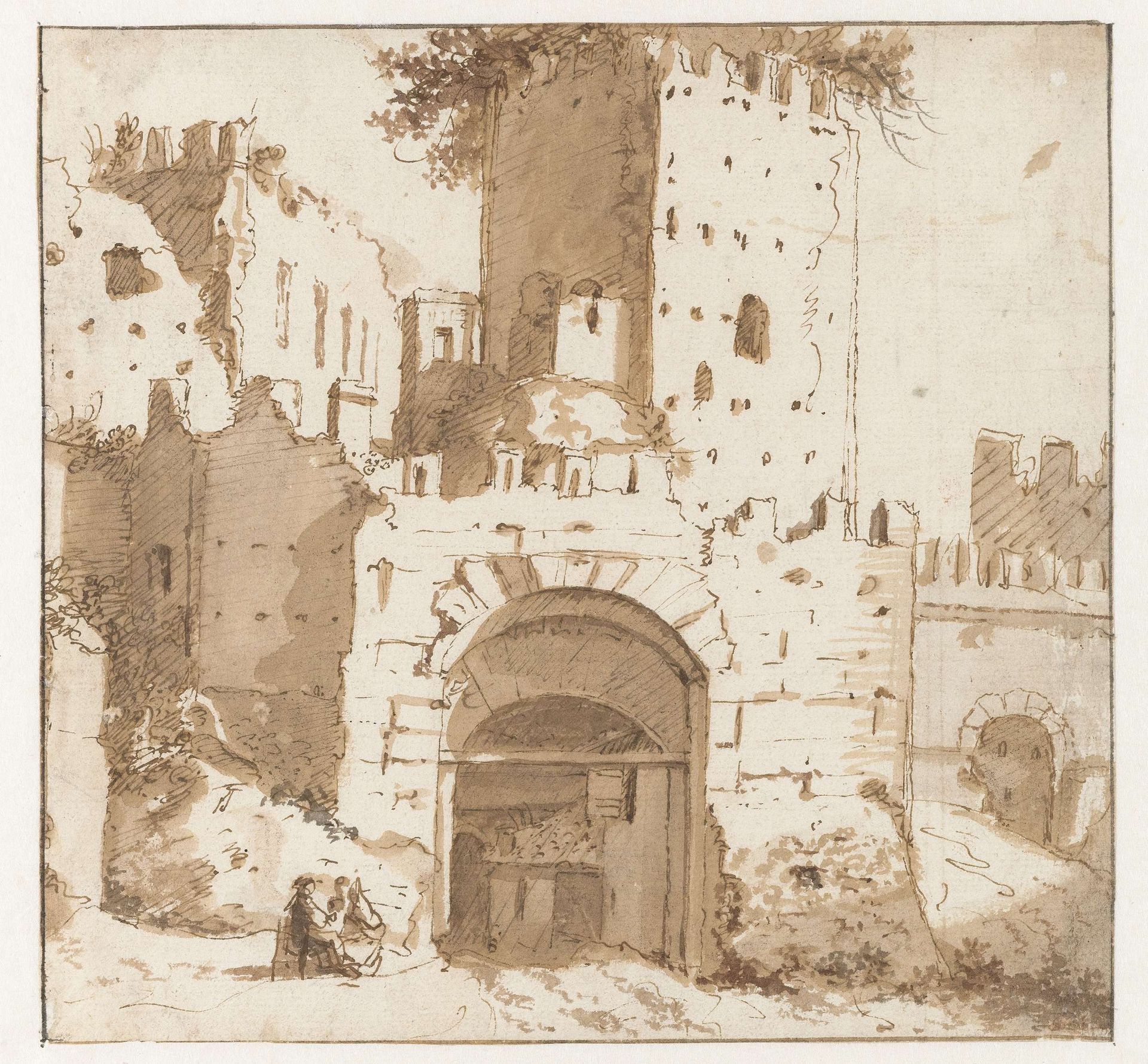
Jan de Bisschop rendered this Italian city wall with brown ink sometime in the mid-17th century. At its heart stands the archway. Throughout history, arches have stood as potent symbols of transition and triumph. In ancient Rome, triumphal arches celebrated military victories. Later, they became integral elements of Christian cathedrals, signifying entry into sacred spaces. Observe how the arch frames a darker recess, a space beyond our immediate grasp. This invites contemplation on what lies beyond the threshold – a notion as old as the gates of Ishtar in Babylon, promising passage to new realms. In dreams, archways often represent opportunities and choices, embodying our subconscious desires for change. The arch is not just stone; it is a psychological gateway, perpetually poised between what was and what could be.
Ruïnes van Italiaanse stadswal met poort
1648 - 1671

Jan de Bisschop
1628 - 1671Location
RijksmuseumArtwork details
- Medium
- drawing, paper, ink
- Dimensions
- height 185 mm, width 194 mm
- Location
- Rijksmuseum
- Copyright
- Rijks Museum: Open Domain
Tags
Comments
Share your thoughts
About this artwork
Jan de Bisschop rendered this Italian city wall with brown ink sometime in the mid-17th century. At its heart stands the archway. Throughout history, arches have stood as potent symbols of transition and triumph. In ancient Rome, triumphal arches celebrated military victories. Later, they became integral elements of Christian cathedrals, signifying entry into sacred spaces. Observe how the arch frames a darker recess, a space beyond our immediate grasp. This invites contemplation on what lies beyond the threshold – a notion as old as the gates of Ishtar in Babylon, promising passage to new realms. In dreams, archways often represent opportunities and choices, embodying our subconscious desires for change. The arch is not just stone; it is a psychological gateway, perpetually poised between what was and what could be.
Comments
Share your thoughts