About this artwork
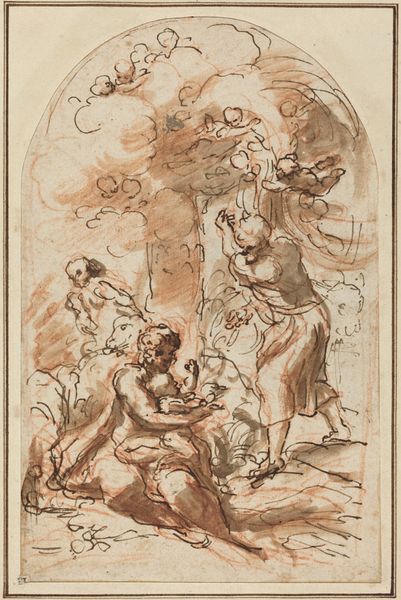
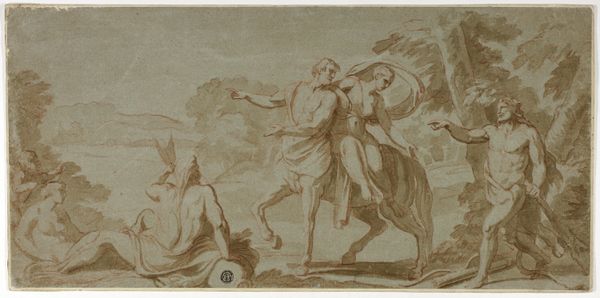
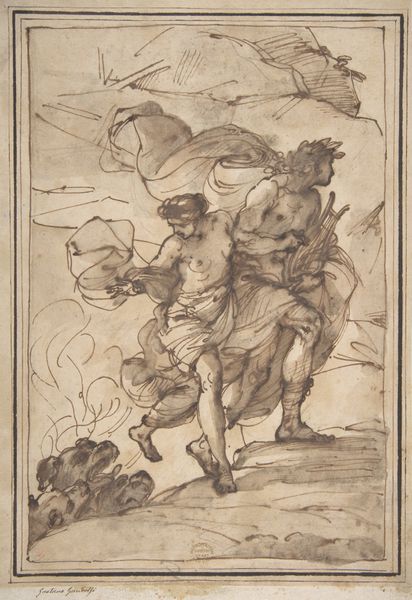
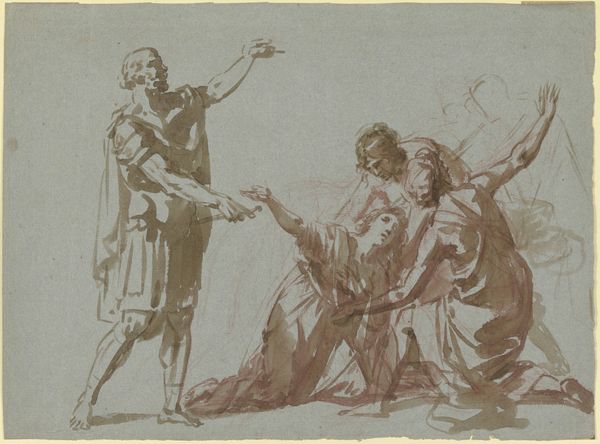
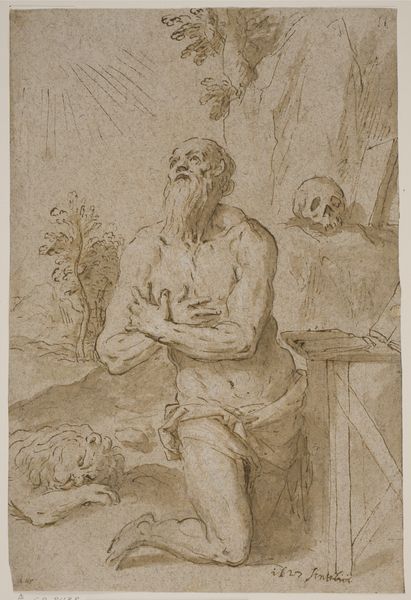
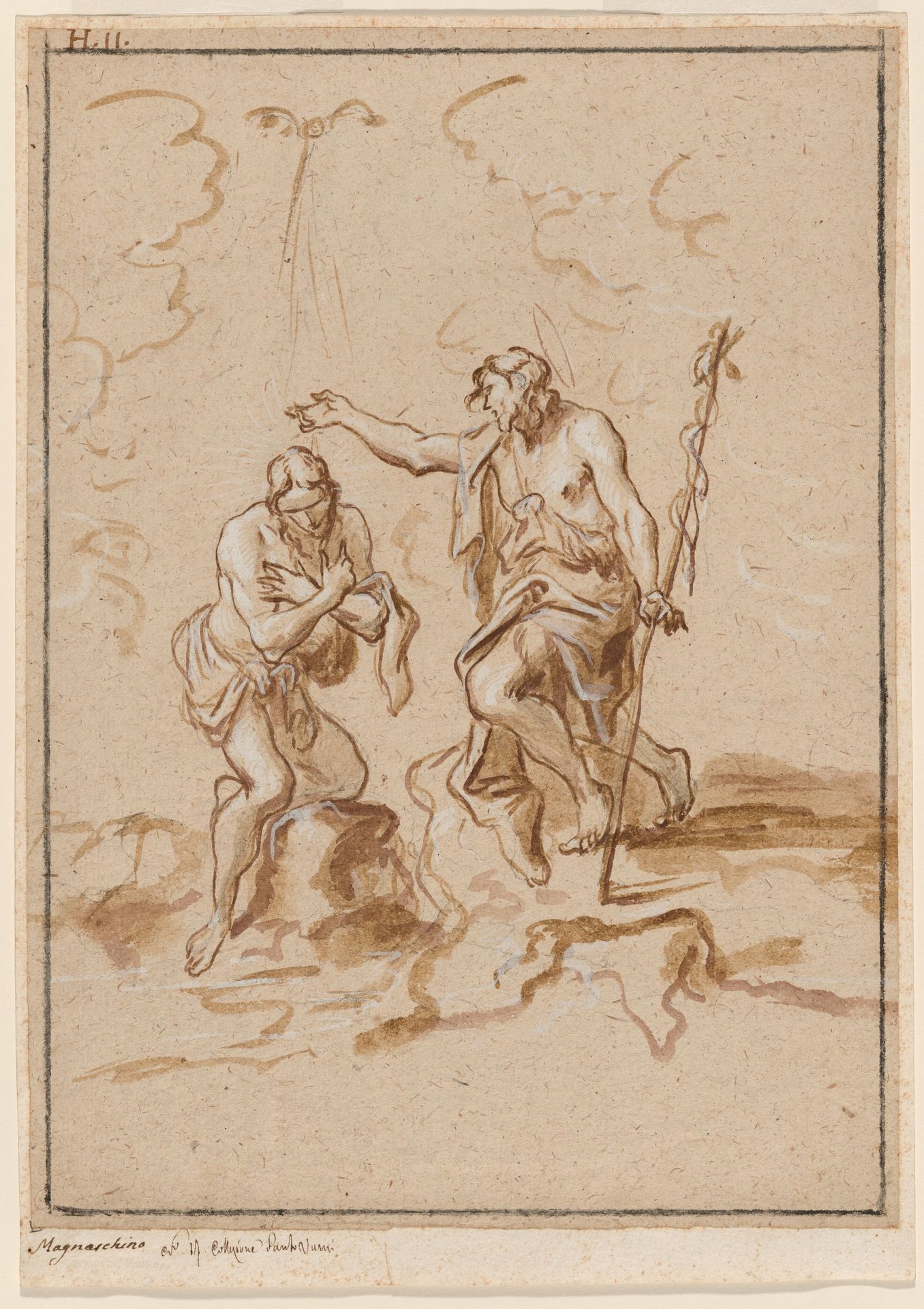
Alessandro Magnasco created this pen and brown ink drawing, "The Baptism of Christ," sometime between the late 17th and early 18th centuries. Magnasco was working in a period of great change in Italy. The Baroque style was on the way out, and the influence of the Enlightenment was growing. Magnasco’s Baptism of Christ is an interesting example of the changing role of religious imagery during this period. Although the subject is a classic one, the painting style is moving away from the rigid formality of earlier religious works. Instead, Magnasco has a looser, more expressive style. To understand Magnasco's world, we can look to period documents, letters, and even the records of the art market itself. By looking at these kinds of sources, we can better understand the social conditions that shape artistic production and the public role of art. The meaning of art is always contingent on its social and institutional context.
The Baptism of Christ
c. 1720s


Artwork details
- Medium
- drawing
- Dimensions
- sheet: 30.6 × 22.2 cm (12 1/16 × 8 3/4 in.) mount: 32.9 × 22.9 cm (12 15/16 × 9 in.)
- Copyright
- National Gallery of Art: CC0 1.0
Tags
Comments
Share your thoughts
About this artwork
Alessandro Magnasco created this pen and brown ink drawing, "The Baptism of Christ," sometime between the late 17th and early 18th centuries. Magnasco was working in a period of great change in Italy. The Baroque style was on the way out, and the influence of the Enlightenment was growing. Magnasco’s Baptism of Christ is an interesting example of the changing role of religious imagery during this period. Although the subject is a classic one, the painting style is moving away from the rigid formality of earlier religious works. Instead, Magnasco has a looser, more expressive style. To understand Magnasco's world, we can look to period documents, letters, and even the records of the art market itself. By looking at these kinds of sources, we can better understand the social conditions that shape artistic production and the public role of art. The meaning of art is always contingent on its social and institutional context.
Comments
Share your thoughts