About this artwork
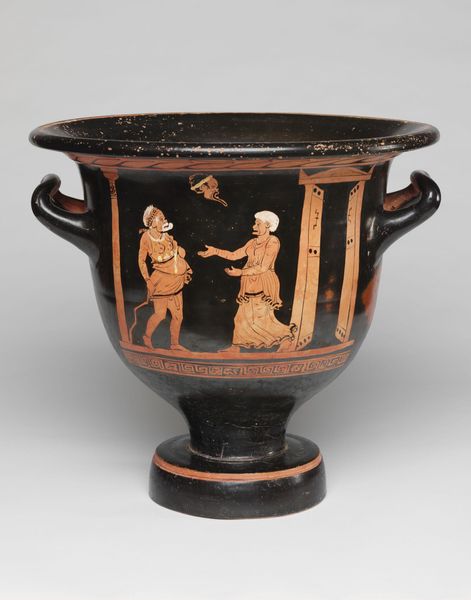
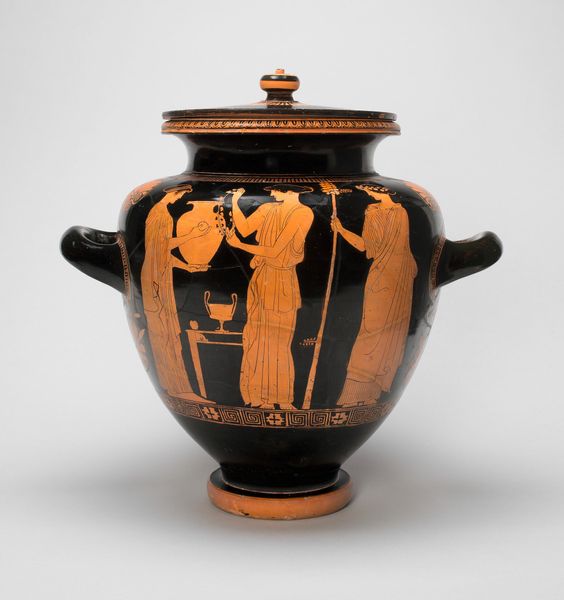
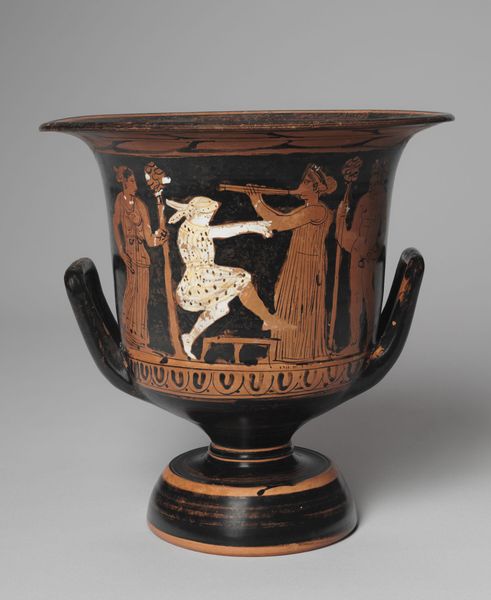
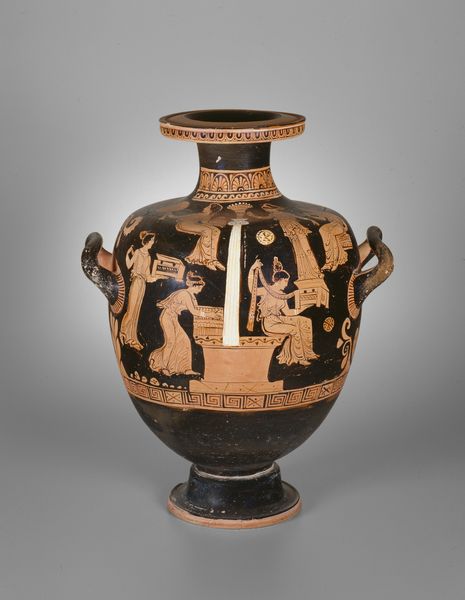
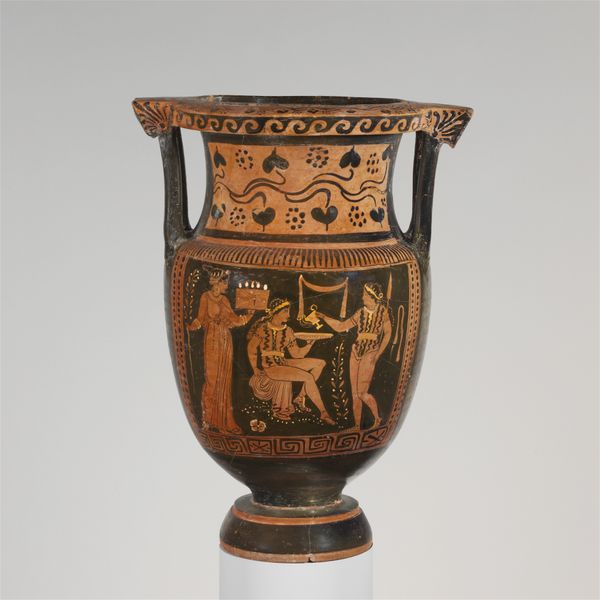
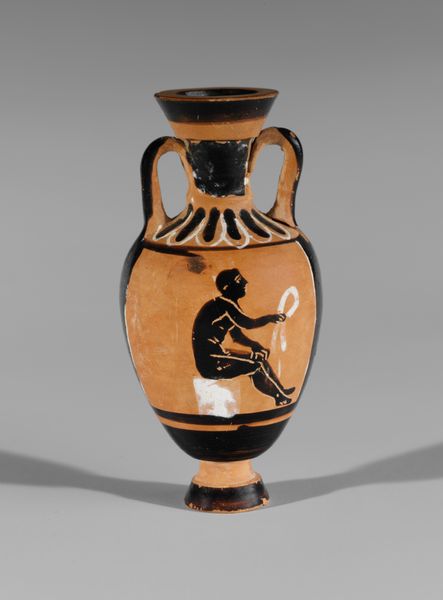
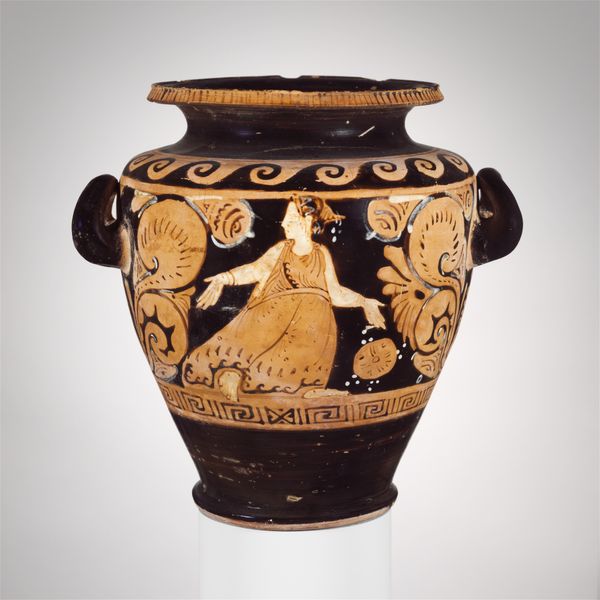
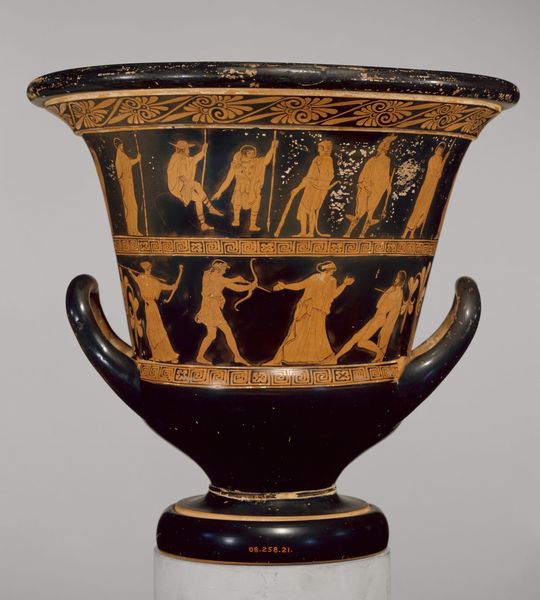
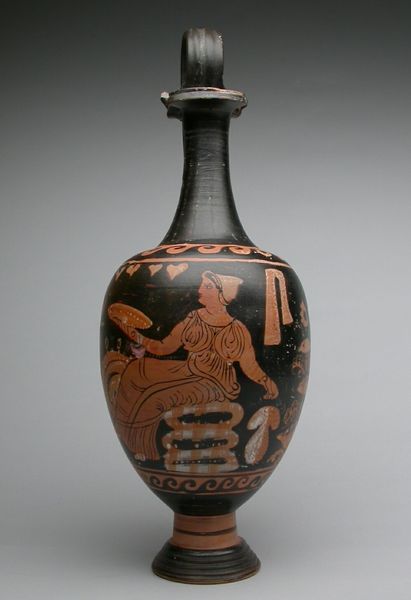
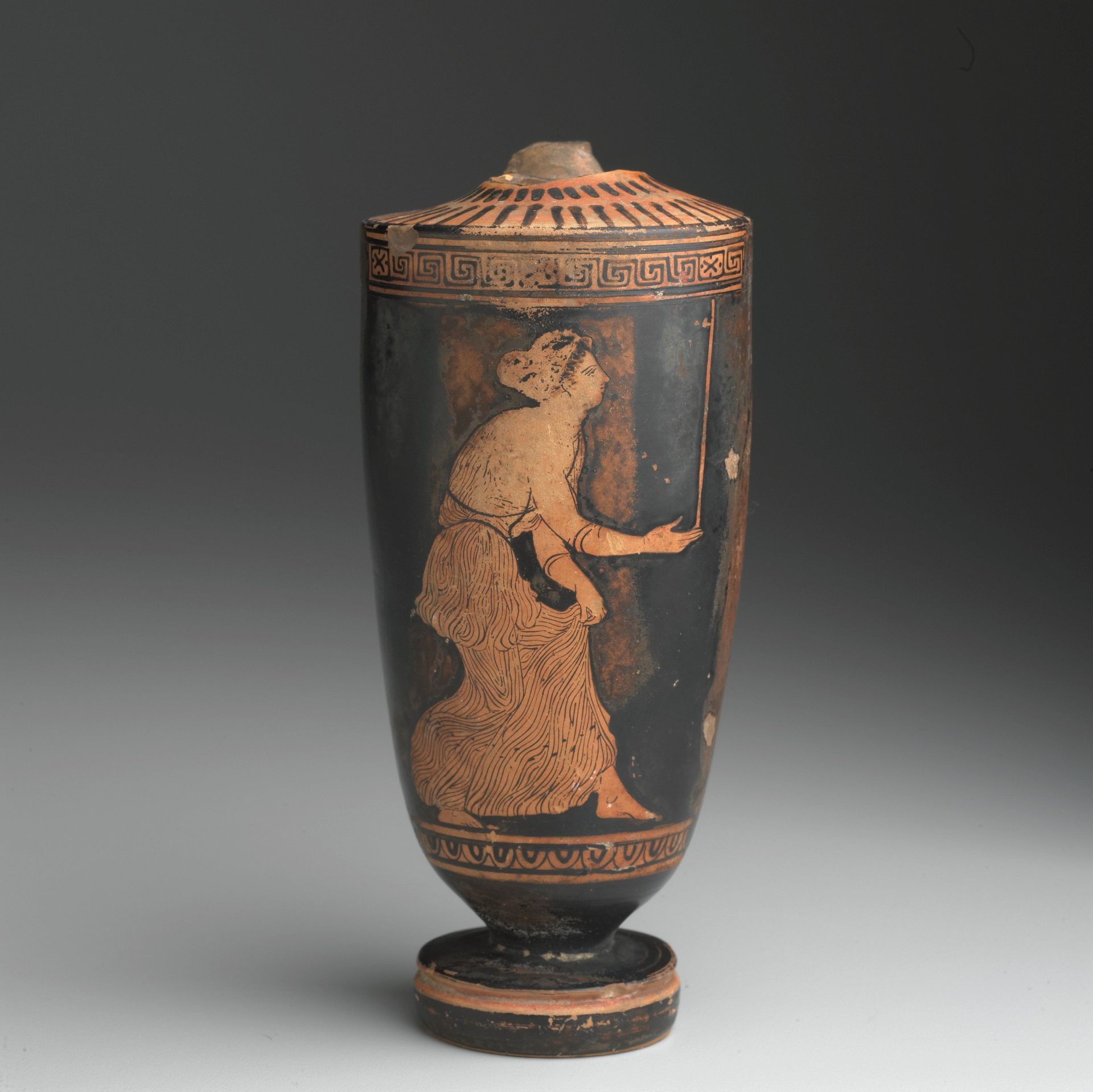
This Lekythos was made in the region of Attica in ancient Greece, probably in the 5th century BC, using the red-figure technique on pottery. The image on this vessel shows two women; one is seated and holding up a mirror for the other, who is standing. What's interesting is that the Lekythos was traditionally used for storing oil, especially for funerary rituals. So, the image could suggest beauty and adornment extending even into death. This piece, like other ancient Greek art, gives us a glimpse into the social lives of women, and the cultural values around beauty, ritual, and remembrance. Such artworks serve as primary sources for understanding the social structures of their time. The historian’s role is to research and interpret the symbolic meanings embedded in such objects, helping us understand the rich cultural contexts in which art is made and used.


Artwork details
- Medium
- drawing, ceramic
- Dimensions
- 6 1/2 x 2 3/4 in. (16.51 x 6.99 cm)
- Location
- Minneapolis Institute of Art
- Copyright
- Public Domain
Tags
drawing
narrative-art
pottery
greek-and-roman-art
ceramic
figuration
ancient-mediterranean
ceramic
line
Comments
Be the first to share your thoughts about this work.
About this artwork
This Lekythos was made in the region of Attica in ancient Greece, probably in the 5th century BC, using the red-figure technique on pottery. The image on this vessel shows two women; one is seated and holding up a mirror for the other, who is standing. What's interesting is that the Lekythos was traditionally used for storing oil, especially for funerary rituals. So, the image could suggest beauty and adornment extending even into death. This piece, like other ancient Greek art, gives us a glimpse into the social lives of women, and the cultural values around beauty, ritual, and remembrance. Such artworks serve as primary sources for understanding the social structures of their time. The historian’s role is to research and interpret the symbolic meanings embedded in such objects, helping us understand the rich cultural contexts in which art is made and used.
Comments
Be the first to share your thoughts about this work.