440 BC
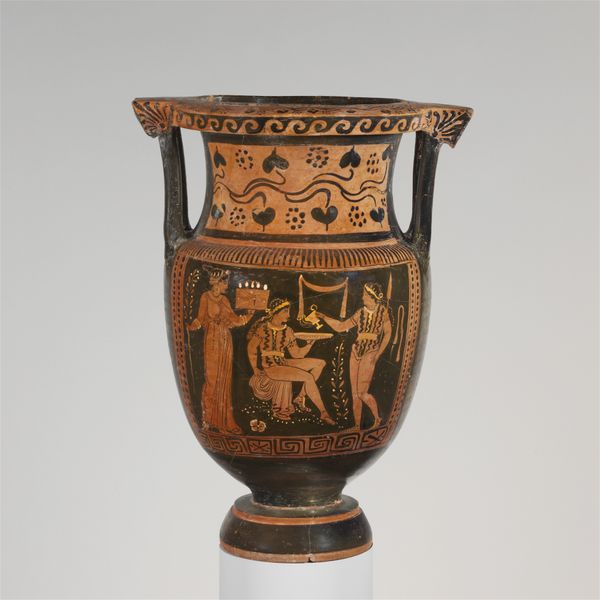
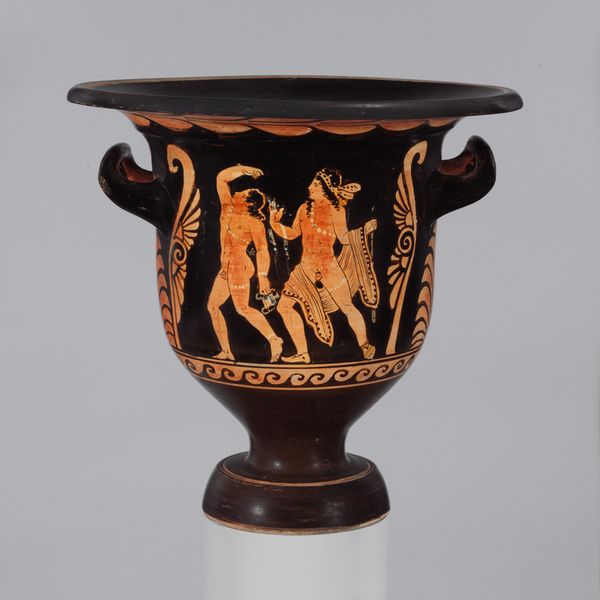
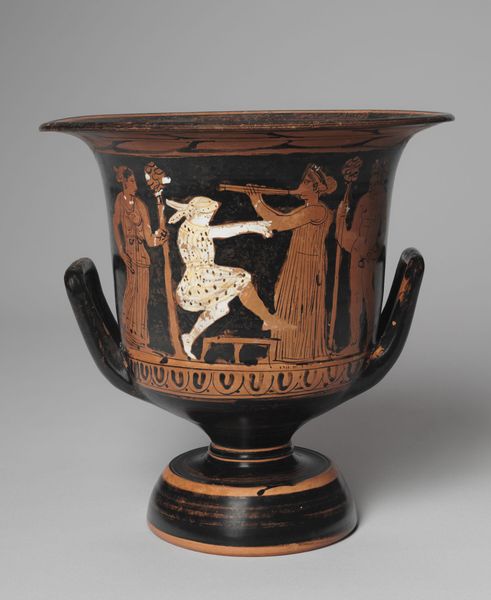
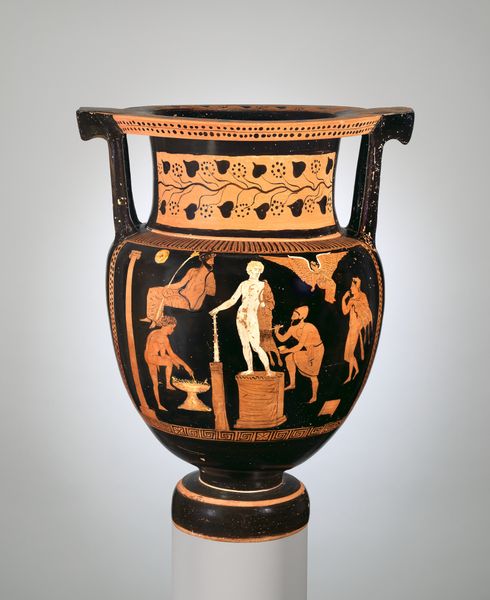
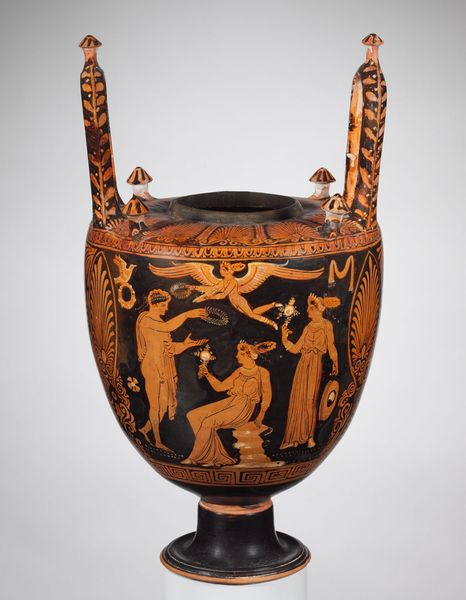
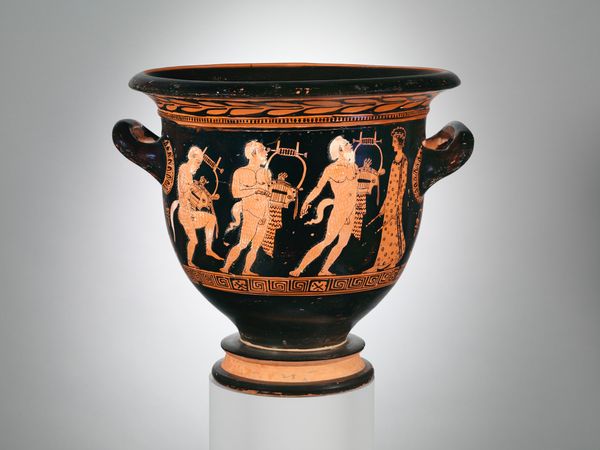
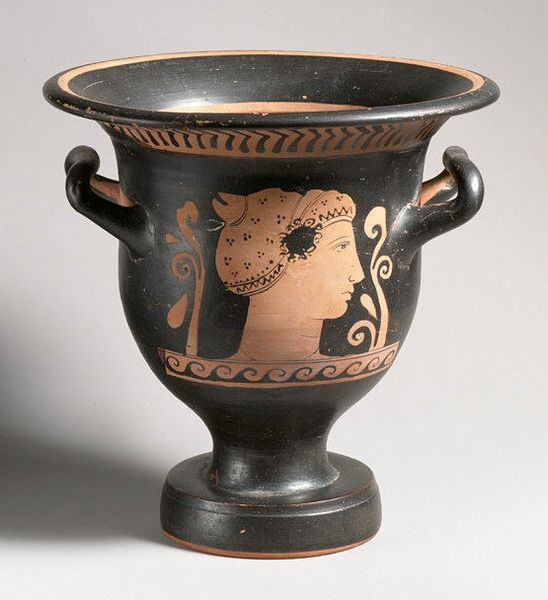
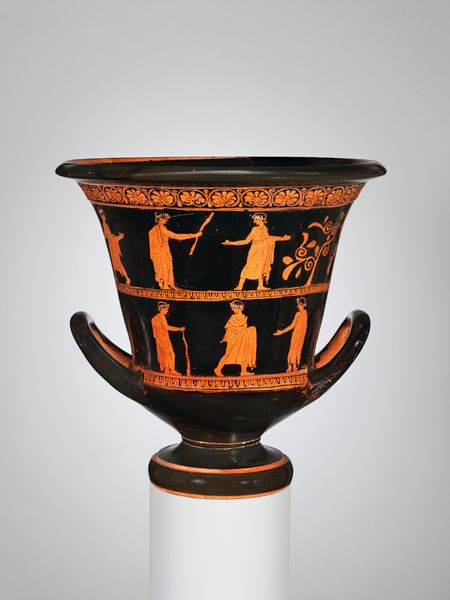
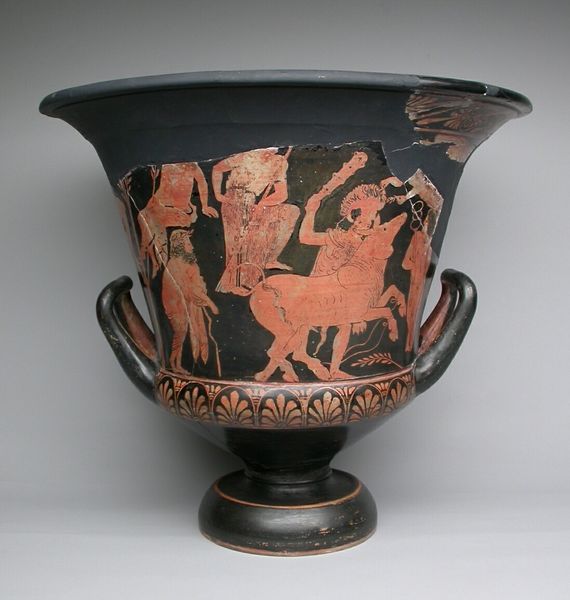
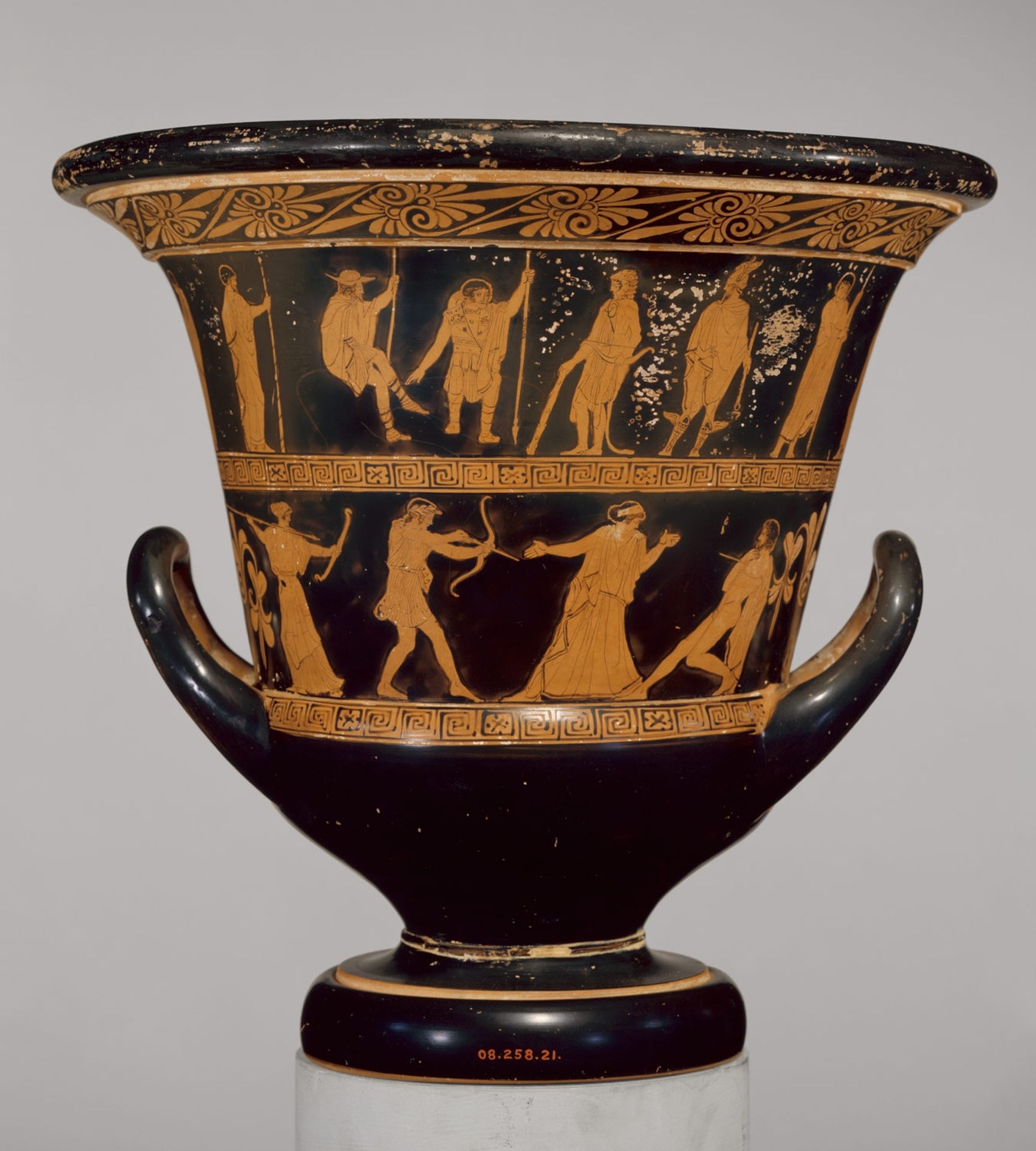
Terracotta Calyx Krater (bowl for Mixing Wine and Water)

Ancient Greek Pottery
@ancientgreekpottery
The Metropolitan Museum of Art
Metropolitan Museum of Art (Met), New York City, NY, USListen to curator's interpretation
Curatorial notes
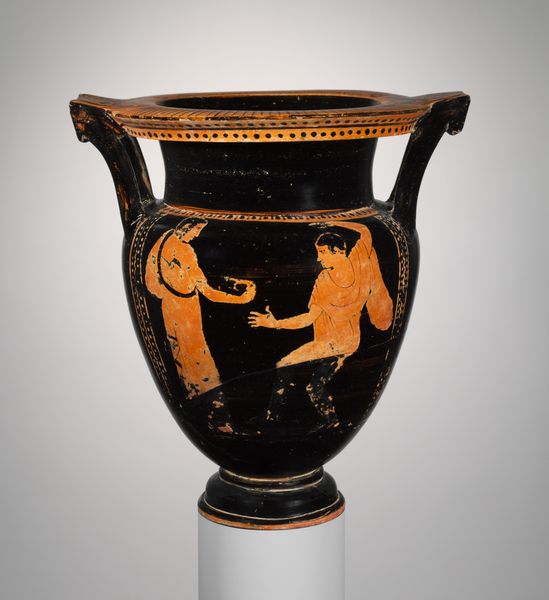
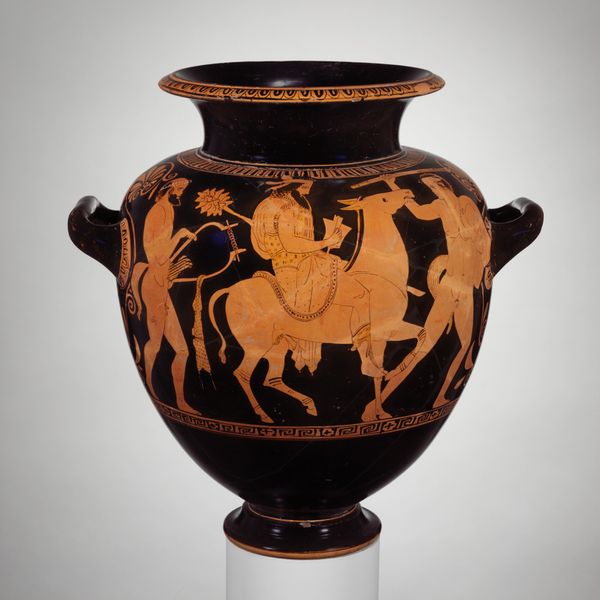
This terracotta calyx krater, or bowl for mixing wine and water, was made by an ancient Greek potter sometime between 900 and 31 BC. As a vessel for communal drinking, the krater was at the center of the symposium, an aristocratic social gathering for men. These all-male drinking parties were crucial to the political and cultural life of the Greek city-state. The symposium offered elite men a space to perform their social status through displays of wit, philosophical debate, and poetic recitations. The imagery decorating the krater often referenced mythological events, offering a visual framework for understanding the symposium’s cultural significance and reinforcing its association with the rituals of Greek religion and social life. Archaeological records, historical texts, and comparative analysis of similar artifacts can further illuminate the krater's function within the symposium and its broader role in shaping ancient Greek identity and cultural values.