1662 - 1677
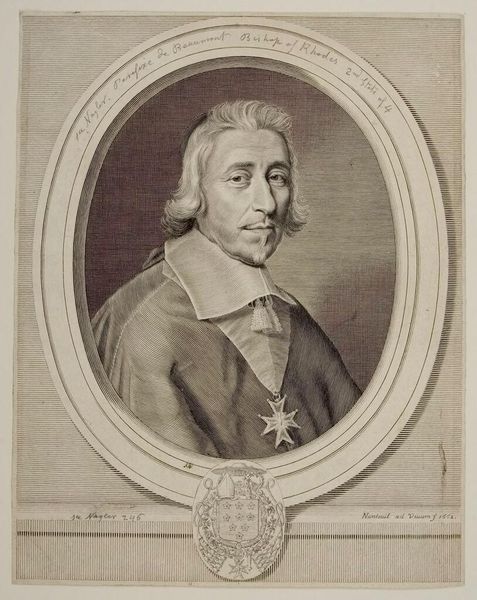
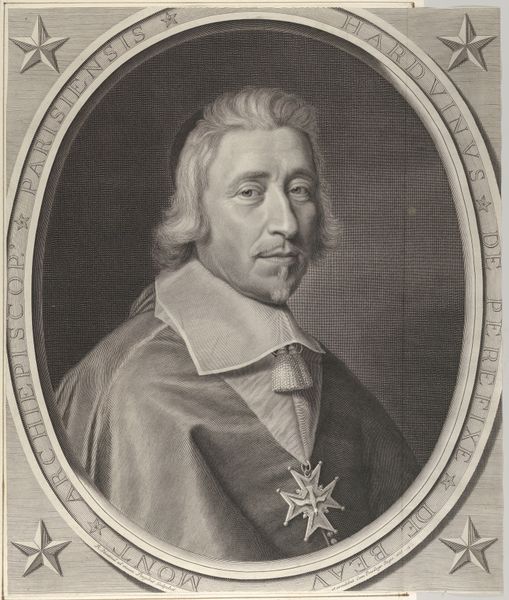
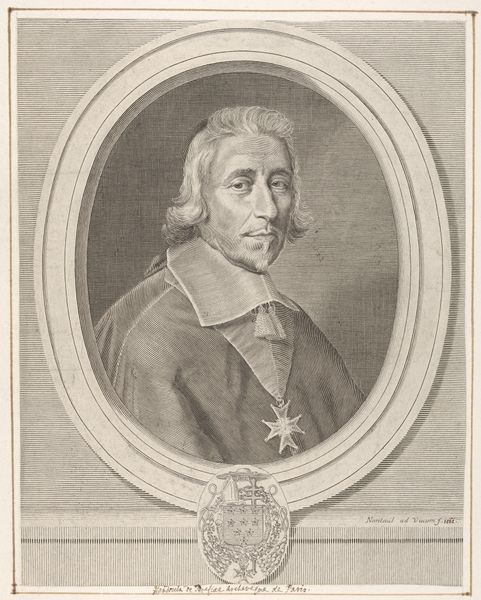
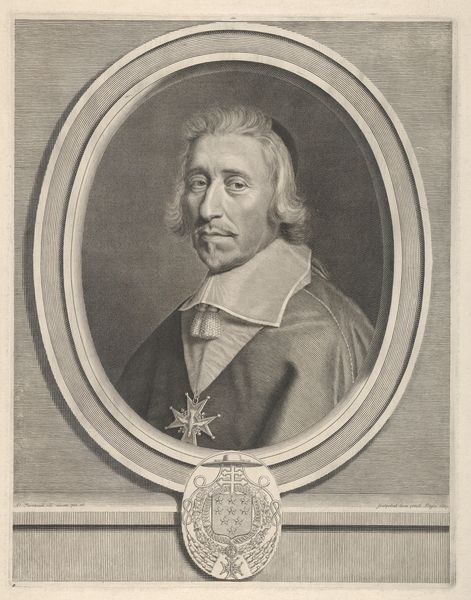
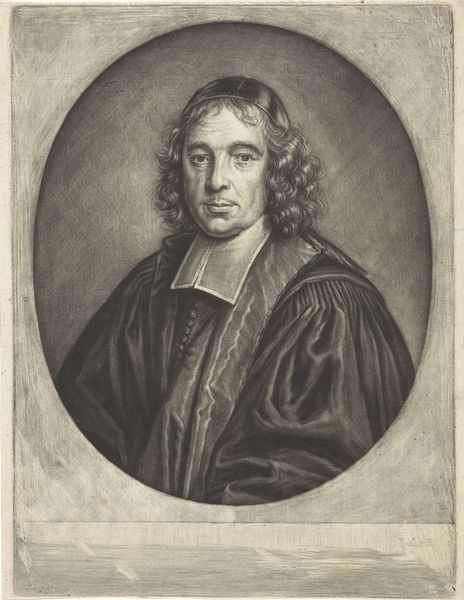
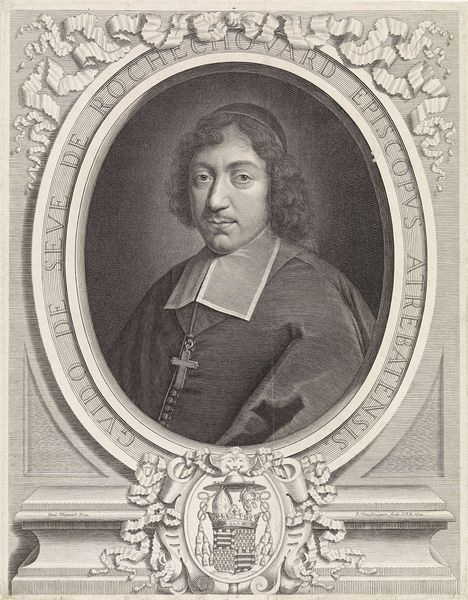
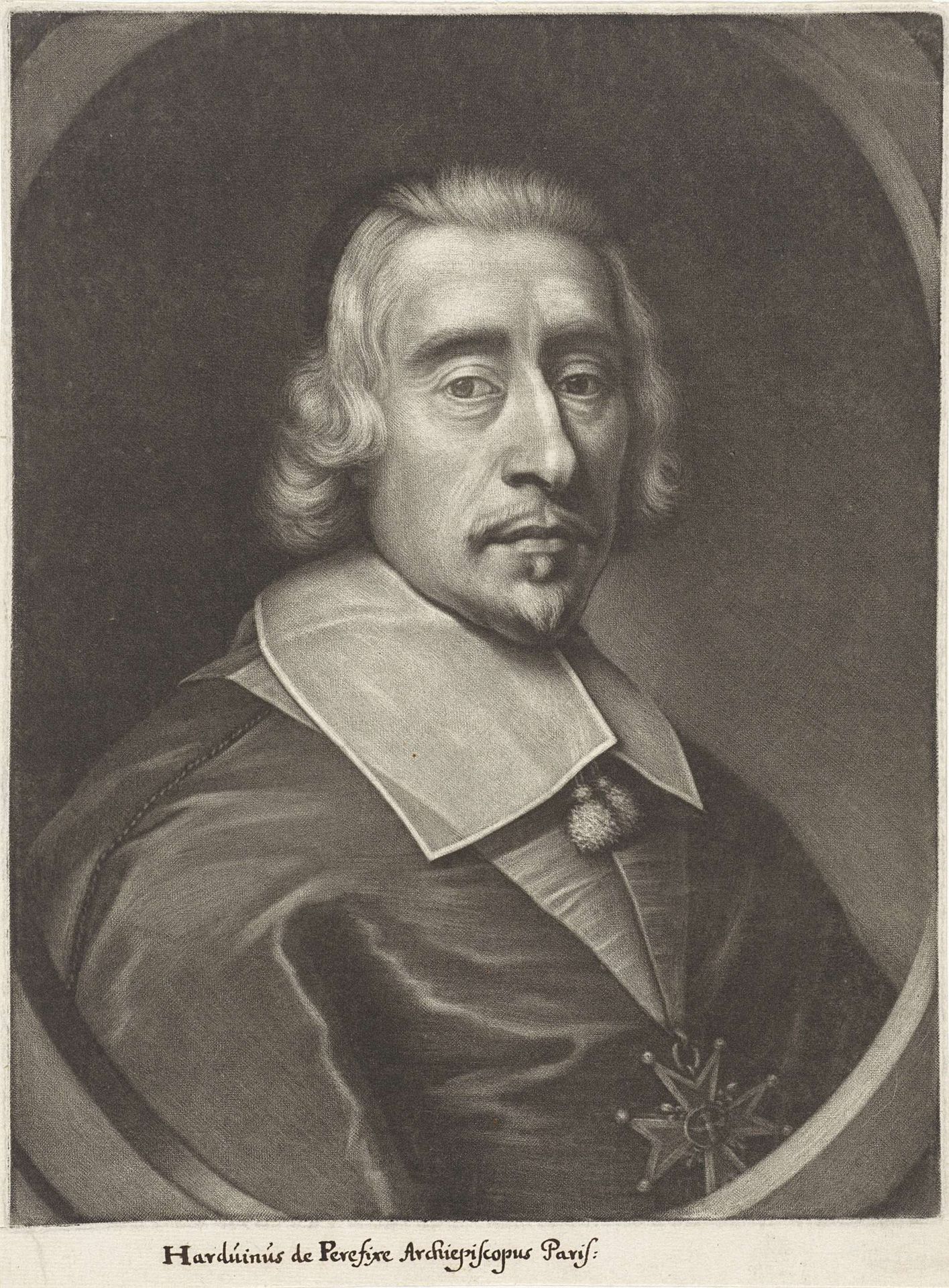
Portret van Hardouin de Péréfixe de Beaumont

Wallerant Vaillant
1623 - 1677Location
RijksmuseumListen to curator's interpretation
Curatorial notes
Wallerant Vaillant created this print of Hardouin de Péréfixe de Beaumont in the 17th century. Vaillant was a master of the mezzotint, a printmaking technique that allowed for rich tonal variations, seen here in the archbishop's robes and the soft modeling of his face. What can this image tell us about the social and institutional structures of the time? Well, France in the 1600s was a society of strict hierarchies, defined by both nobility and the church. Beaumont, as Archbishop of Paris, held significant power, both spiritual and political. The symbols of status in his portrait–his garments, his medals–were carefully constructed to convey authority. The Rijksmuseum, like many major museums, plays a role in preserving and interpreting such images, often shaping our understanding of the past through considered displays and research. As historians, we might consult letters, diaries, and other archival materials to reconstruct the world in which this portrait was made, always understanding that our interpretations are rooted in specific social and institutional contexts.