1851 - 1855
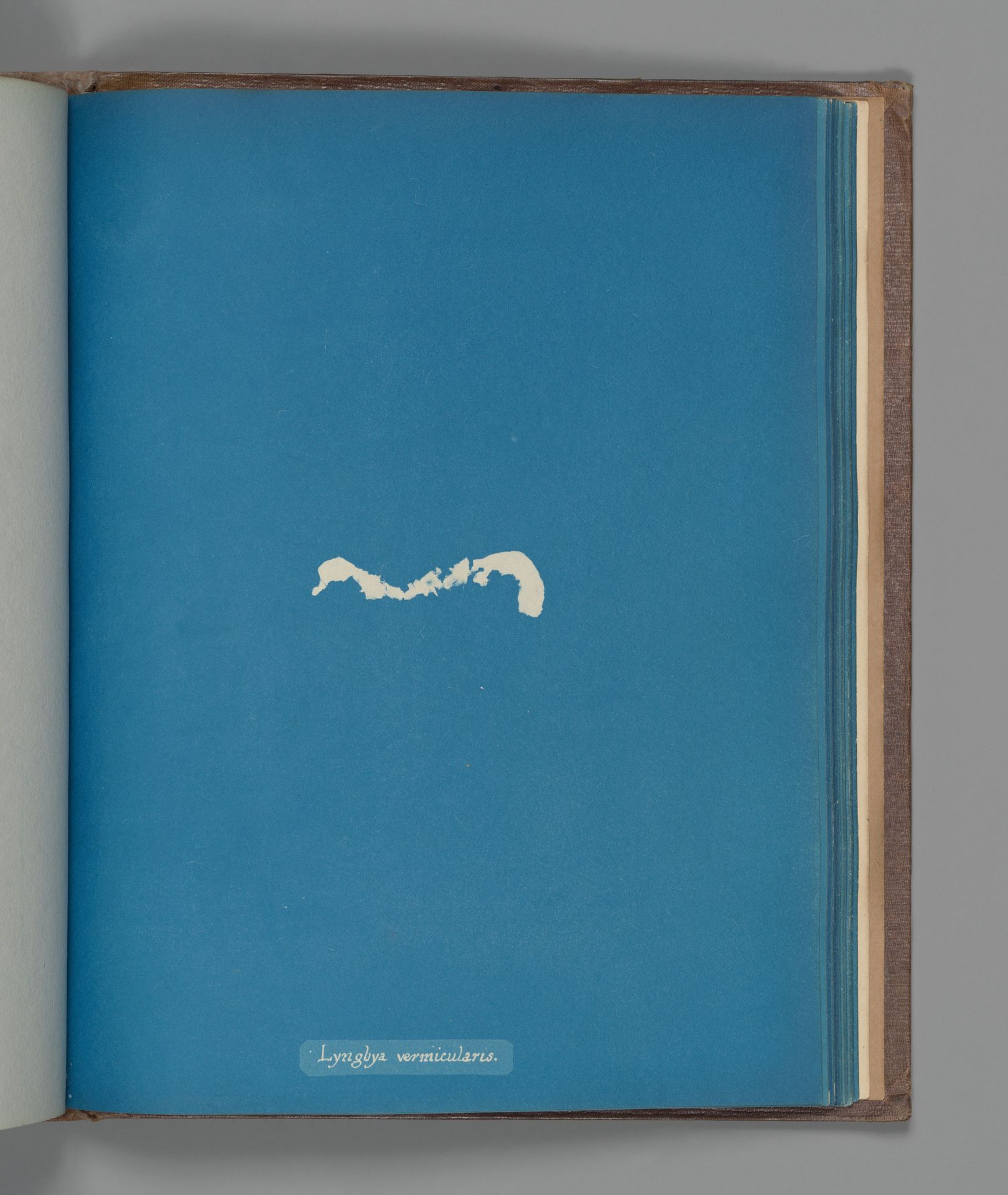
Lyngbya vermicularis


Listen to curator's interpretation
Curatorial notes
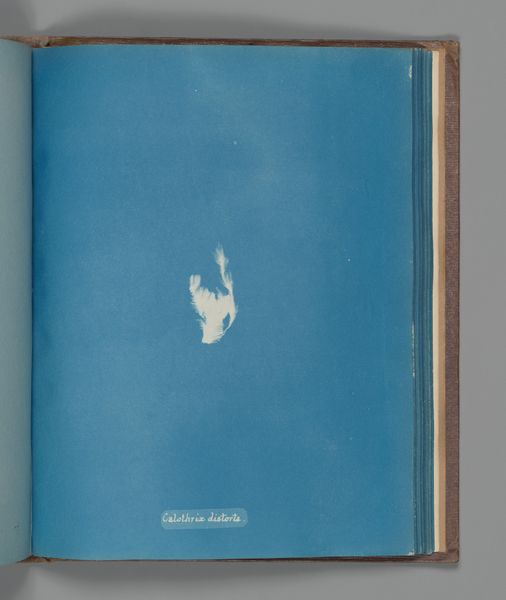
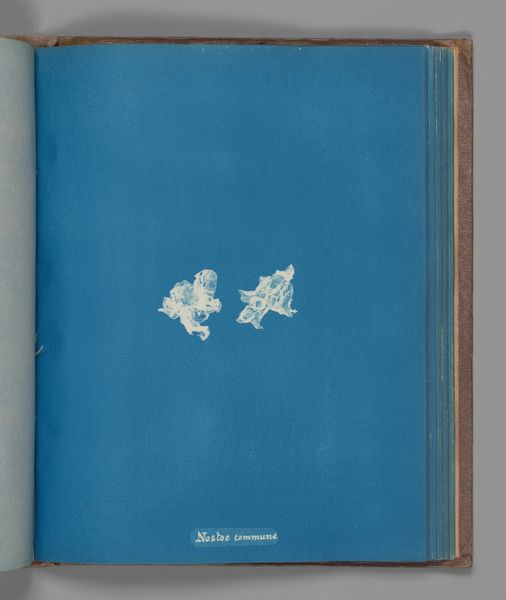
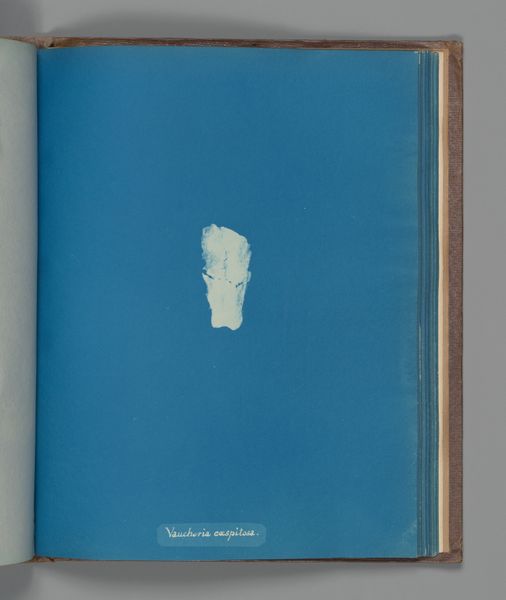
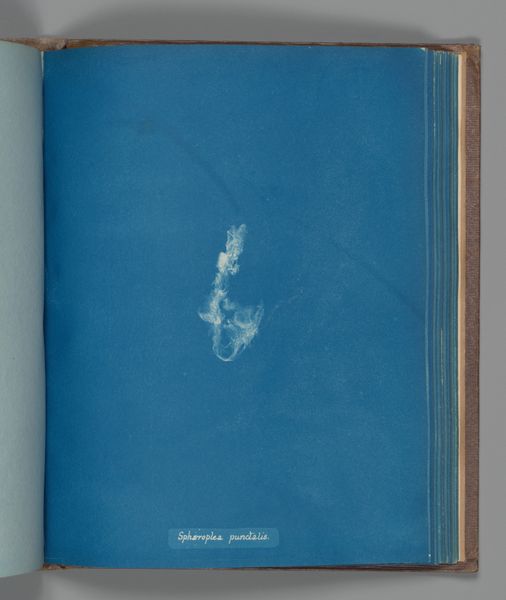
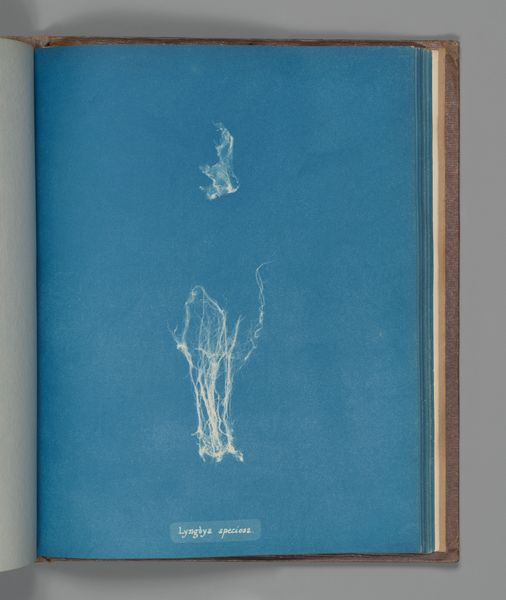
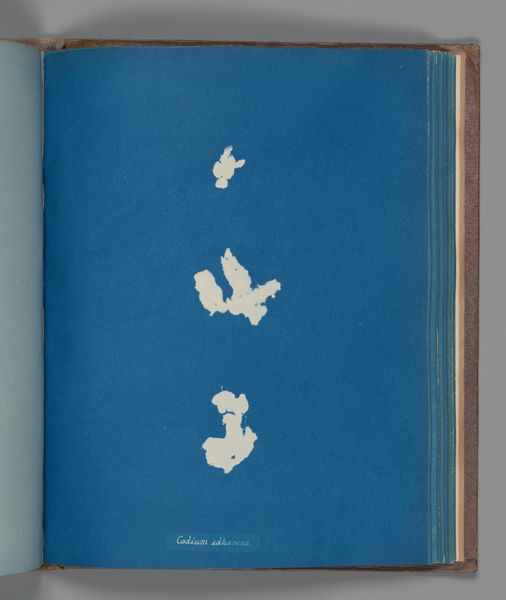
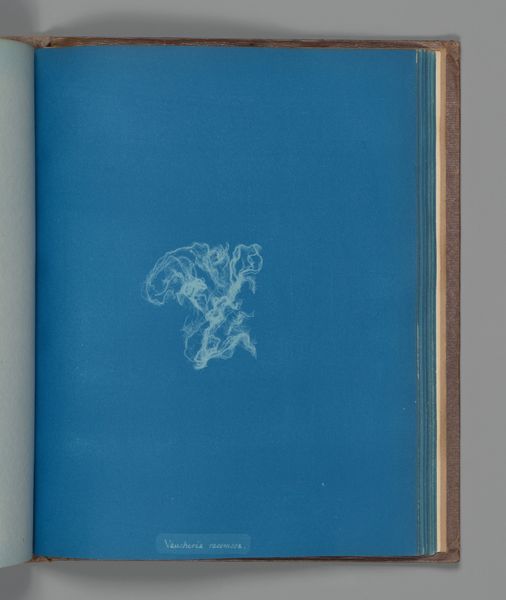
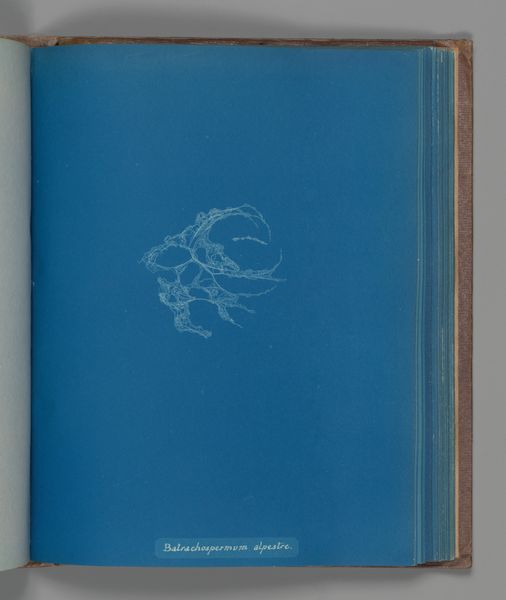
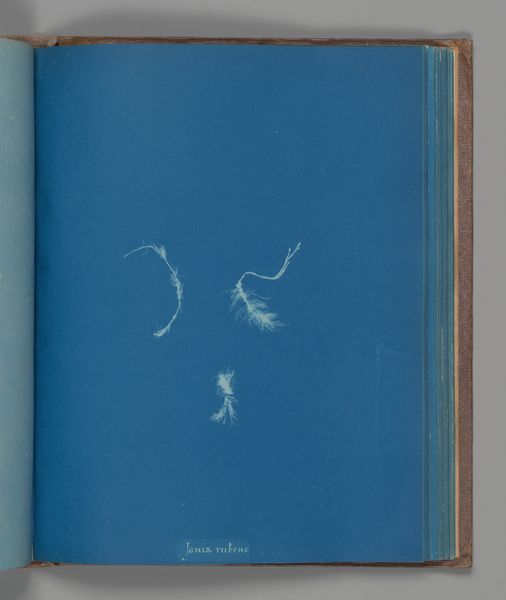
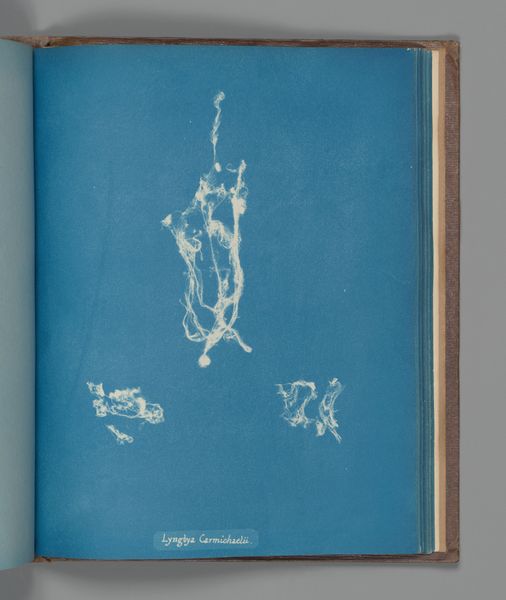
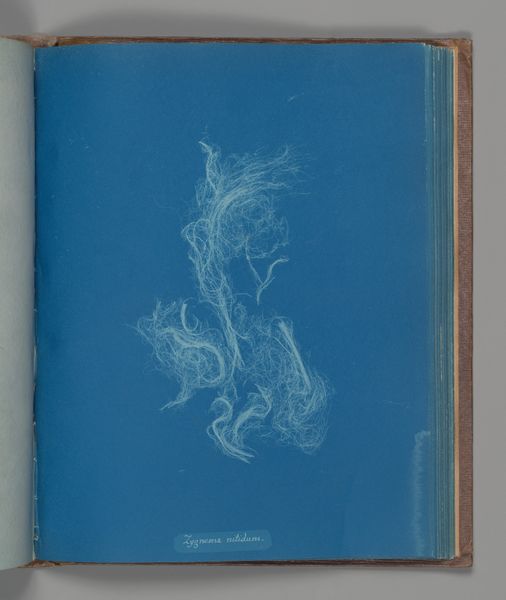
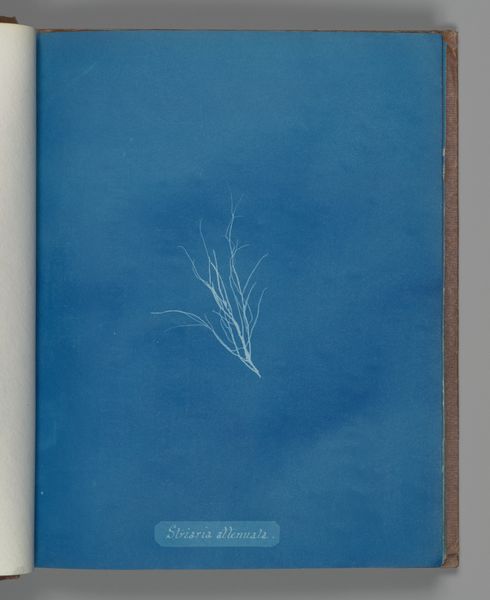
This cyanotype, called Lyngbya vermicularis, was made by Anna Atkins in the mid-19th century using a process that merges art and science. Atkins, a botanist, made this print by placing seaweed directly onto paper treated with iron salts. When exposed to sunlight, the uncovered areas turned a rich Prussian blue, while the areas covered by the algae remained white, creating a ghostly silhouette. The cyanotype process itself is relatively simple, yet the results are striking, resembling blueprints more than traditional photographs. The stark contrast between the blue background and the white algae emphasizes its delicate, thread-like form. Atkins was not only documenting botanical specimens, but also exploring the aesthetic possibilities of this new photographic technique. It's fascinating how Atkins embraced an unconventional medium to produce scientifically accurate, and visually stunning images, blurring the lines between art, craft, and scientific documentation. This image invites us to reconsider the value we place on different forms of knowledge and creative expression.