1684 - 1743
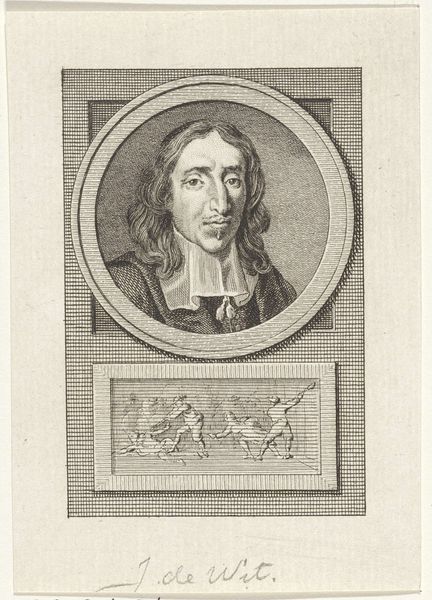
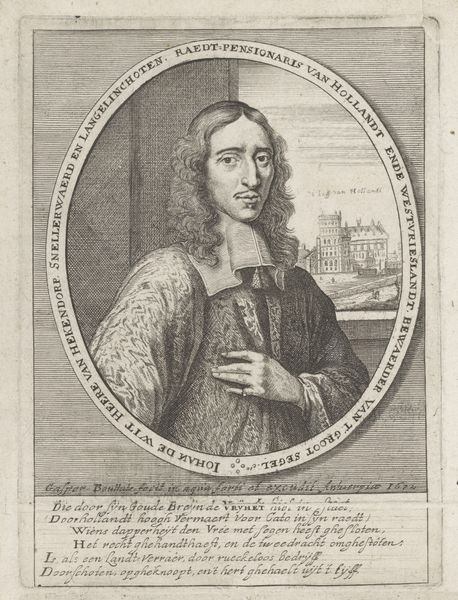
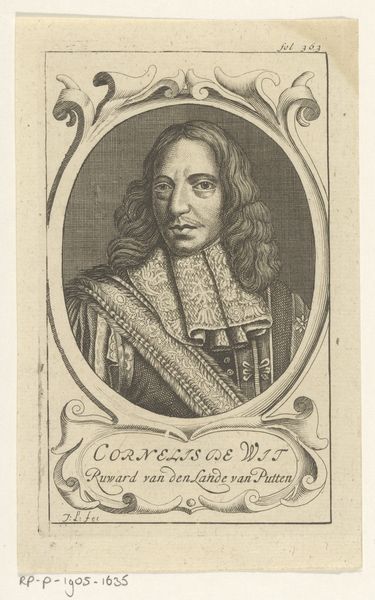
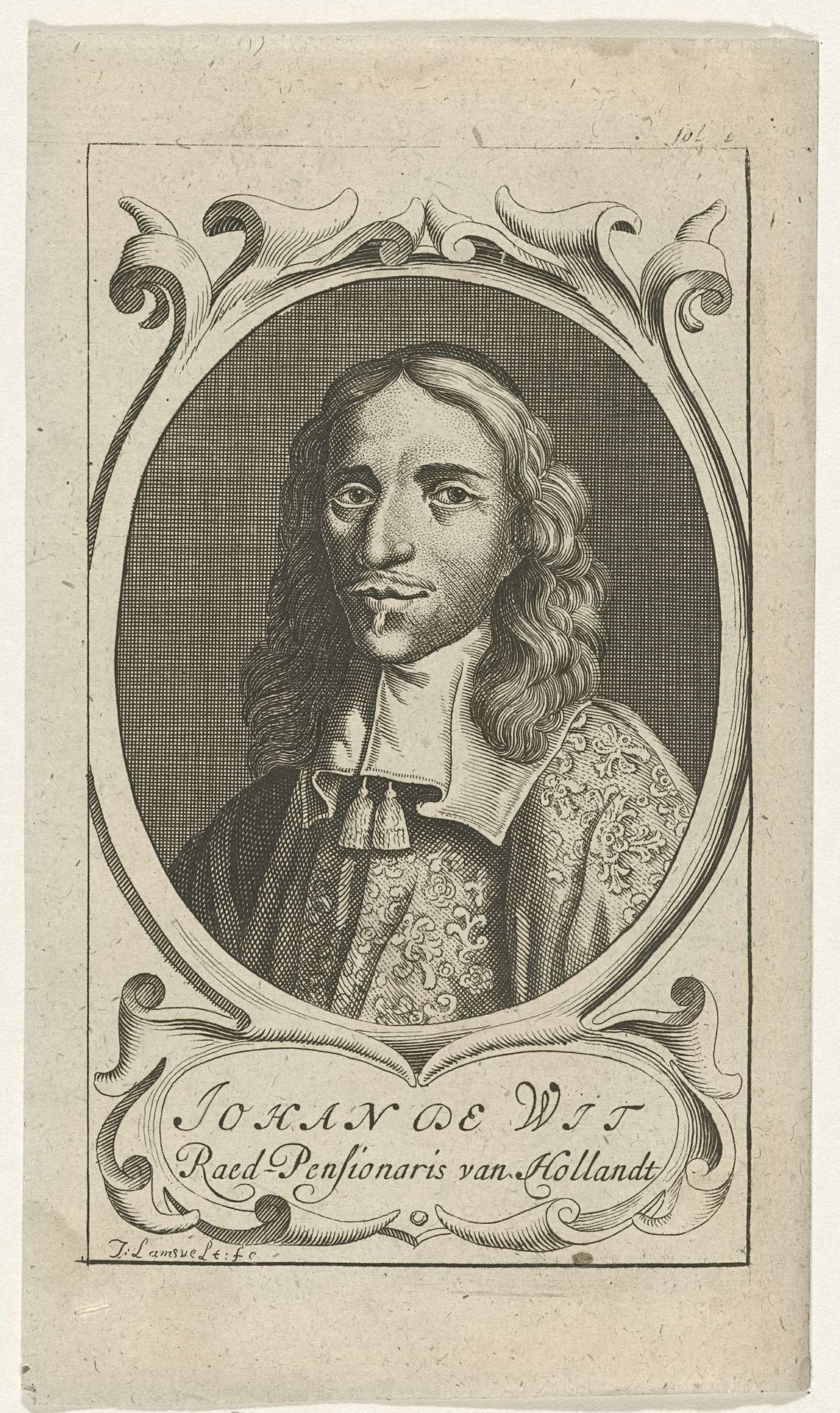
Portret van Johan de Witt

Jan Lamsvelt
1674 - 1743Location
RijksmuseumListen to curator's interpretation
Curatorial notes
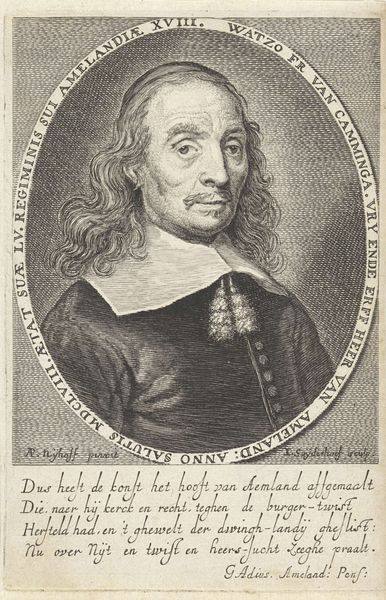
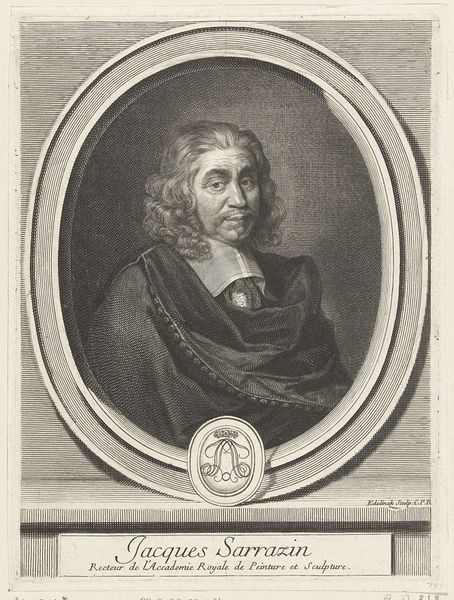
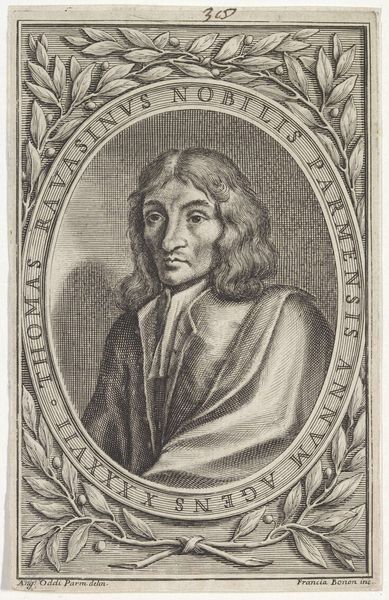
This print, a portrait of Johan de Witt, was made by Jan Lamsvelt. It is an engraving, a process that involves cutting lines into a metal plate, applying ink, and then pressing paper against the plate. What's interesting here is the translation of appearance into a mass-produced format. The fine lines of the engraving give the portrait a crisp, detailed quality. Engraving was crucial to disseminating images, functioning almost like social media before the internet. It allowed for the relatively quick and easy reproduction of images and ideas that could then be widely circulated. This had major implications for politics, propaganda, and the formation of public opinion. Consider the labor involved. Engravers were skilled artisans, who often worked to reproduce the designs of others. This division of labor, where one person creates the image and another reproduces it, reflects the emerging industrial processes of the time. Prints like this one challenge our traditional notions of authorship and creativity. They are a reminder that art is often the result of collaboration, and that even seemingly simple objects can be imbued with complex social and political meanings.