About this artwork
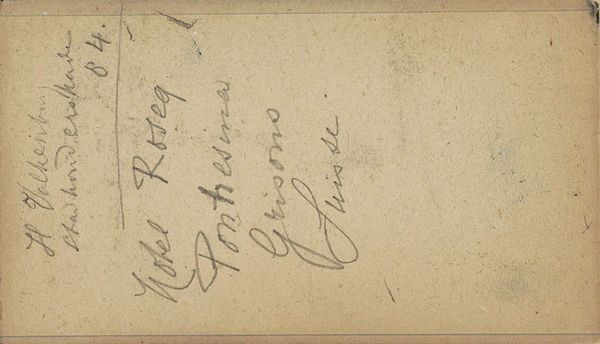
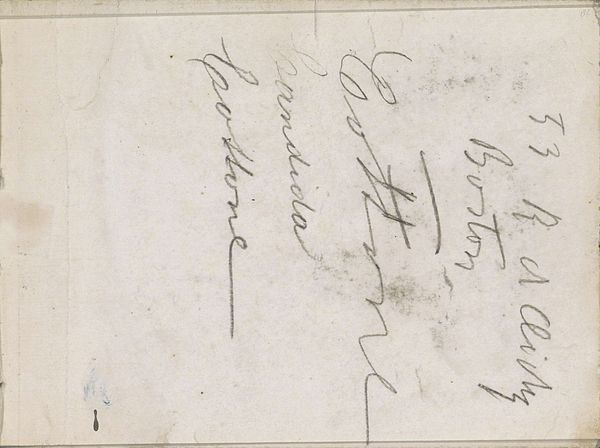
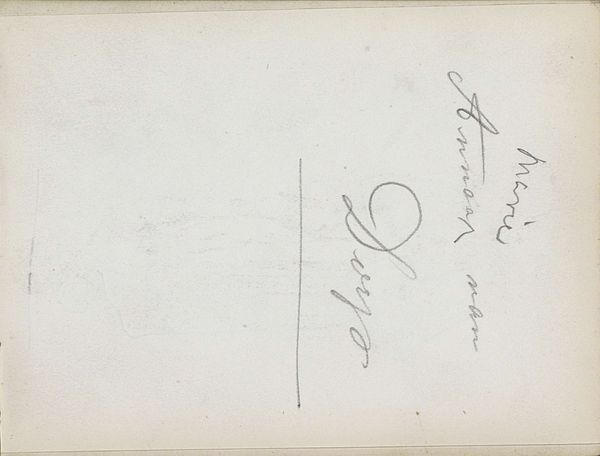
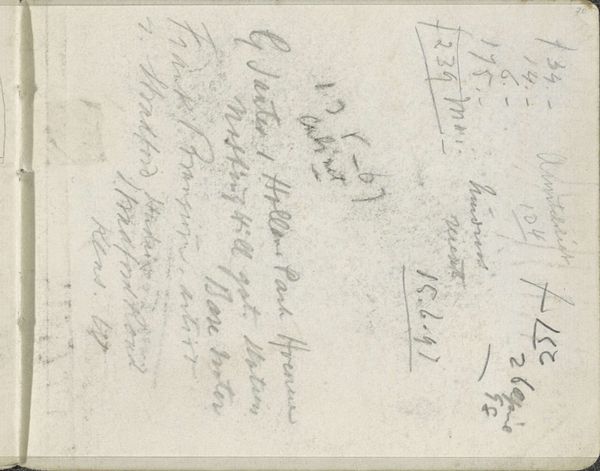
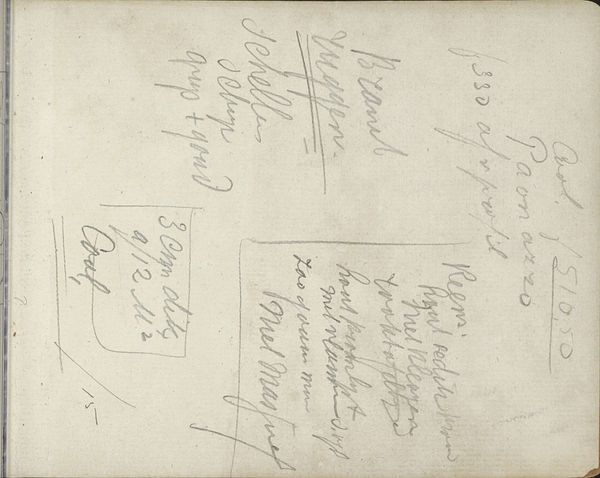
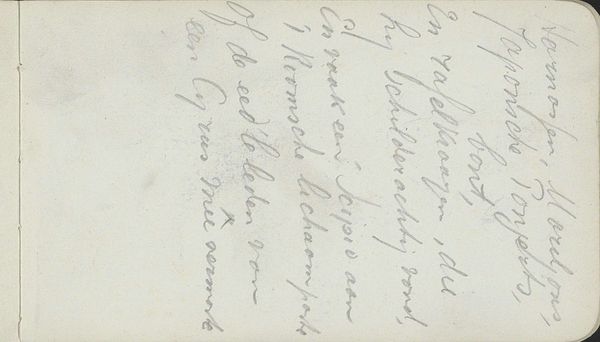
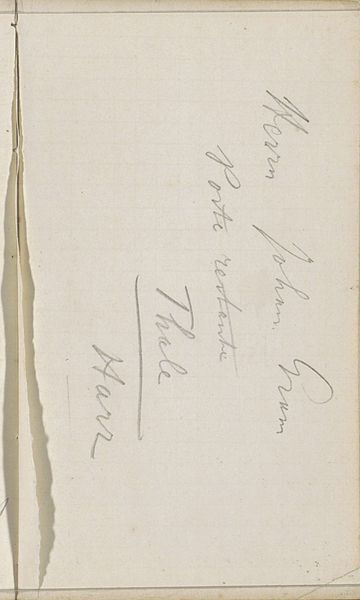
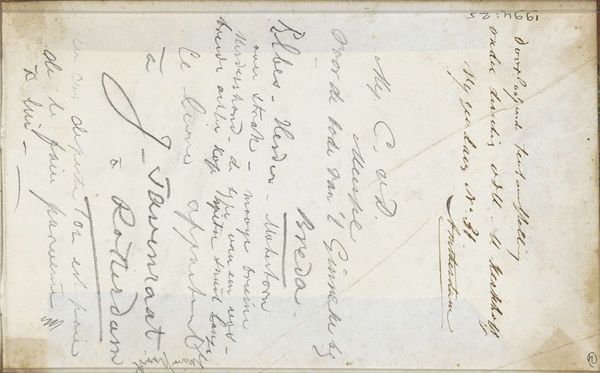
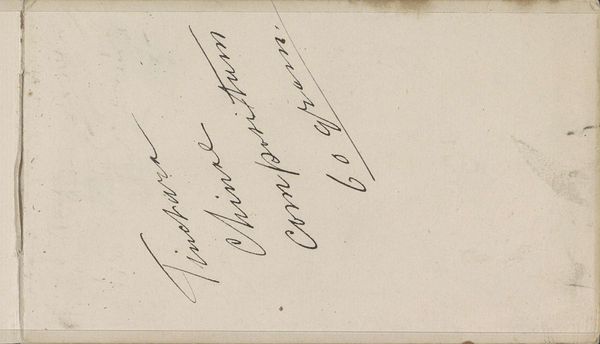
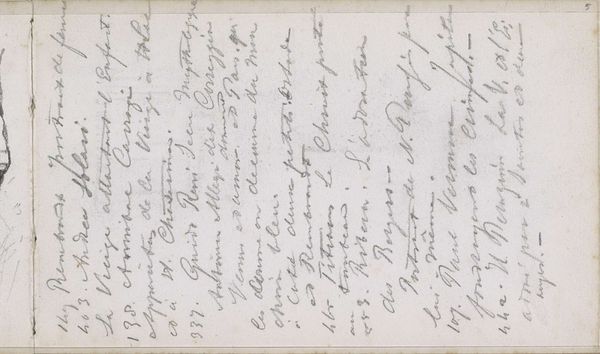
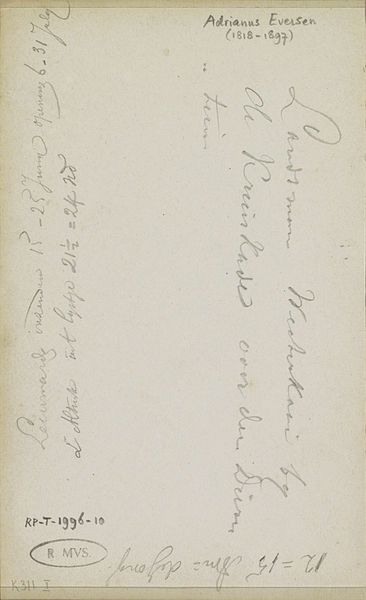
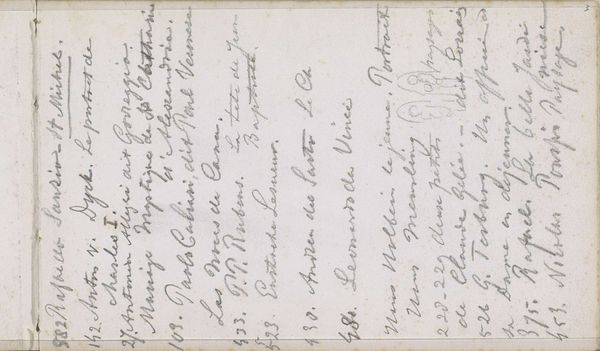
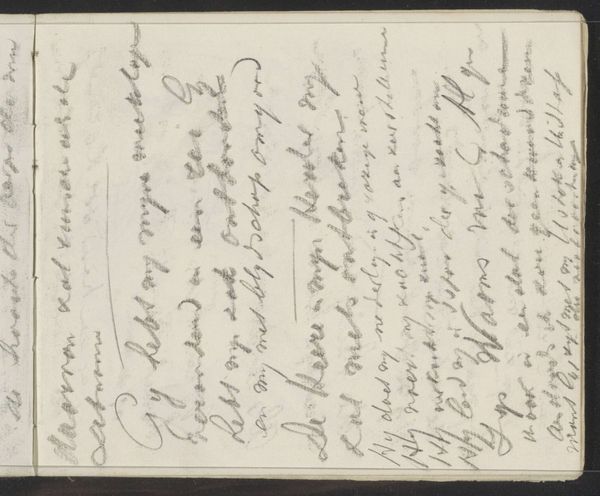
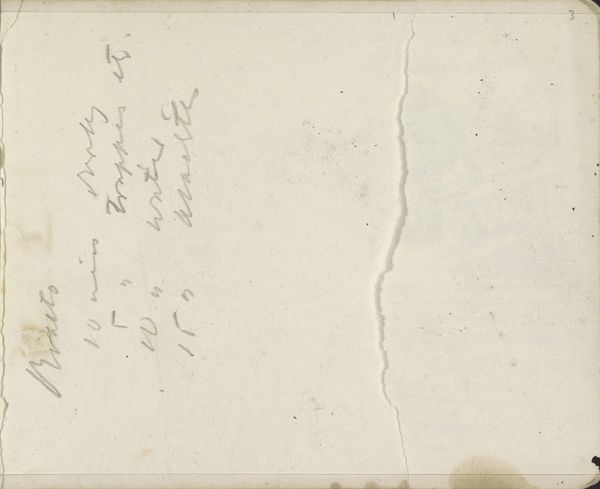
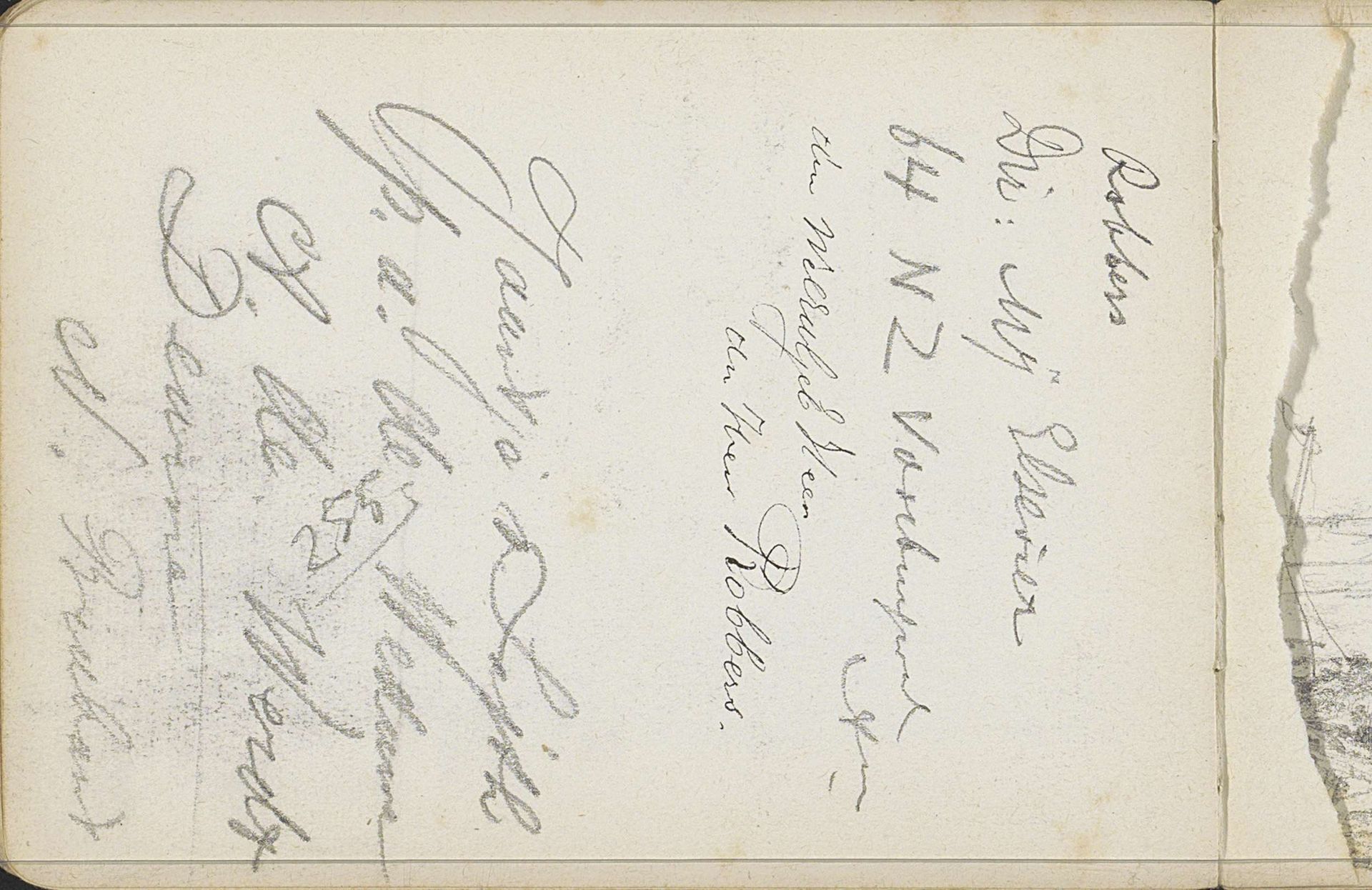
Willem Cornelis Rip created this sketchbook page with graphite, and the immediate impression is of the artist’s hand at work – the delicate, almost tentative lines capturing a fleeting moment. On the right, a barely-there landscape is rendered with spare strokes, while to the left, notations and scribbles crowd the space. Rip’s process itself becomes the subject here; the structure of the page reveals the artist’s thought process, a semiotic system laid bare. The written text, seemingly unrelated, juxtaposes with the landscape drawing, challenging our expectations of unity and coherence. This deconstruction of form can be seen as a proto-structuralist exploration, where the artist subverts conventional artistic language. Note the contrast between the open, airy landscape and the dense, almost claustrophobic text. This opposition functions aesthetically and encapsulates a larger discourse about the nature of representation and the role of the artist.

Artwork details
- Medium
- drawing, paper, pencil, graphite
- Copyright
- Rijks Museum: Open Domain
Tags
Comments
Share your thoughts
About this artwork
Willem Cornelis Rip created this sketchbook page with graphite, and the immediate impression is of the artist’s hand at work – the delicate, almost tentative lines capturing a fleeting moment. On the right, a barely-there landscape is rendered with spare strokes, while to the left, notations and scribbles crowd the space. Rip’s process itself becomes the subject here; the structure of the page reveals the artist’s thought process, a semiotic system laid bare. The written text, seemingly unrelated, juxtaposes with the landscape drawing, challenging our expectations of unity and coherence. This deconstruction of form can be seen as a proto-structuralist exploration, where the artist subverts conventional artistic language. Note the contrast between the open, airy landscape and the dense, almost claustrophobic text. This opposition functions aesthetically and encapsulates a larger discourse about the nature of representation and the role of the artist.
Comments
Share your thoughts