About this artwork
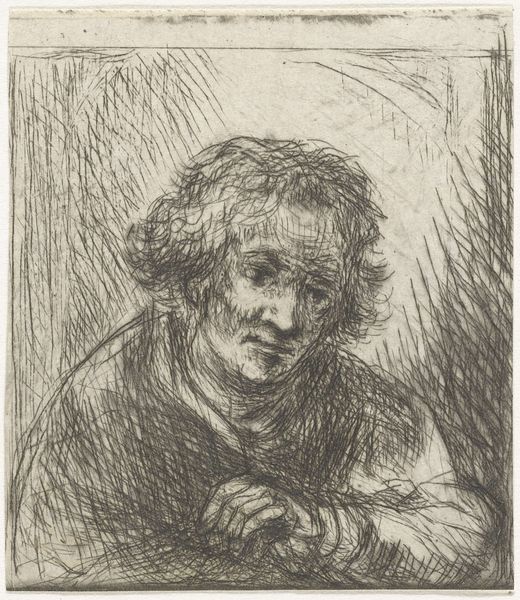
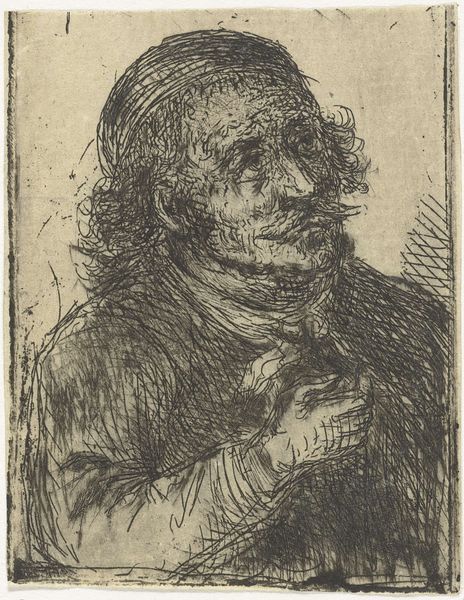
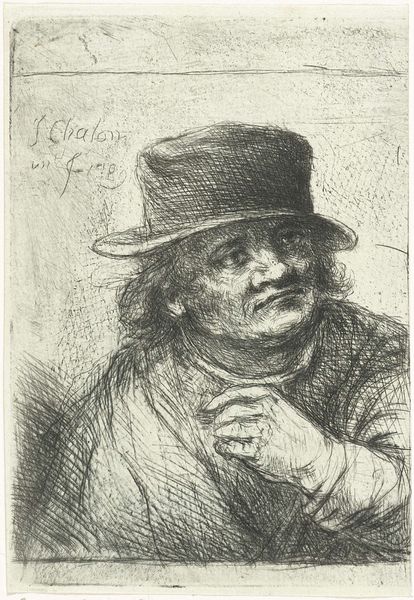
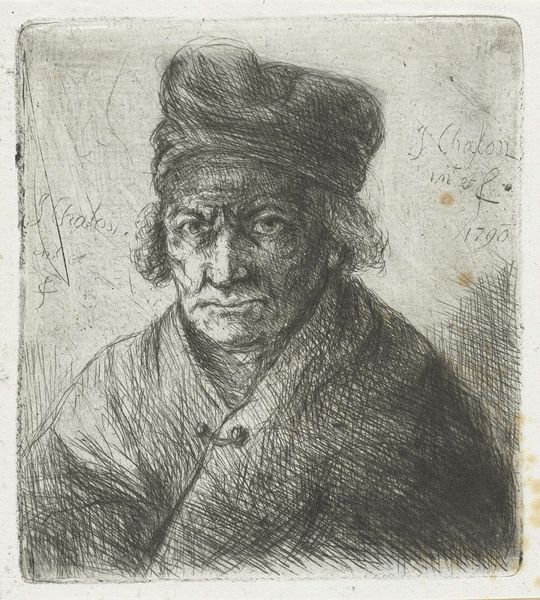
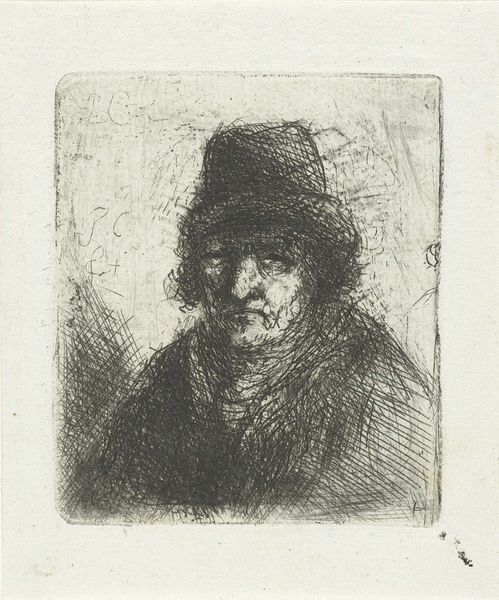
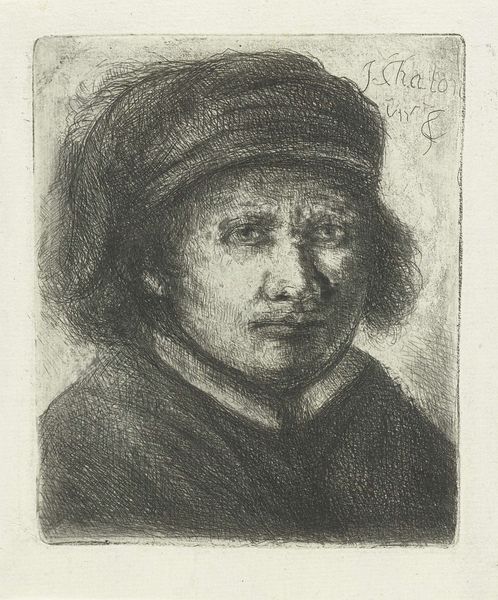
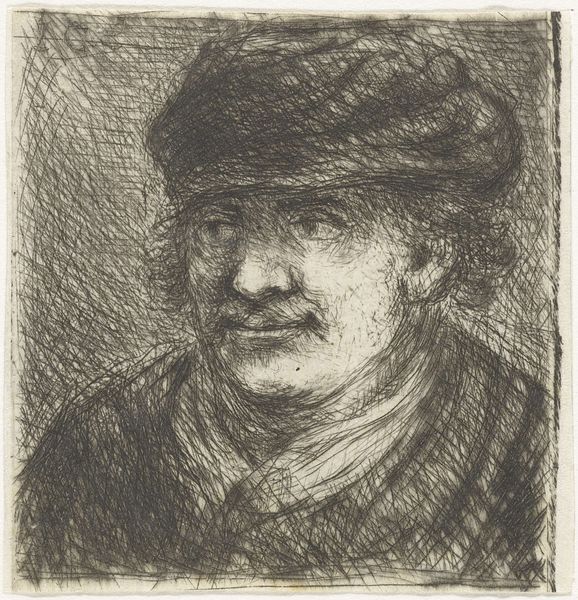
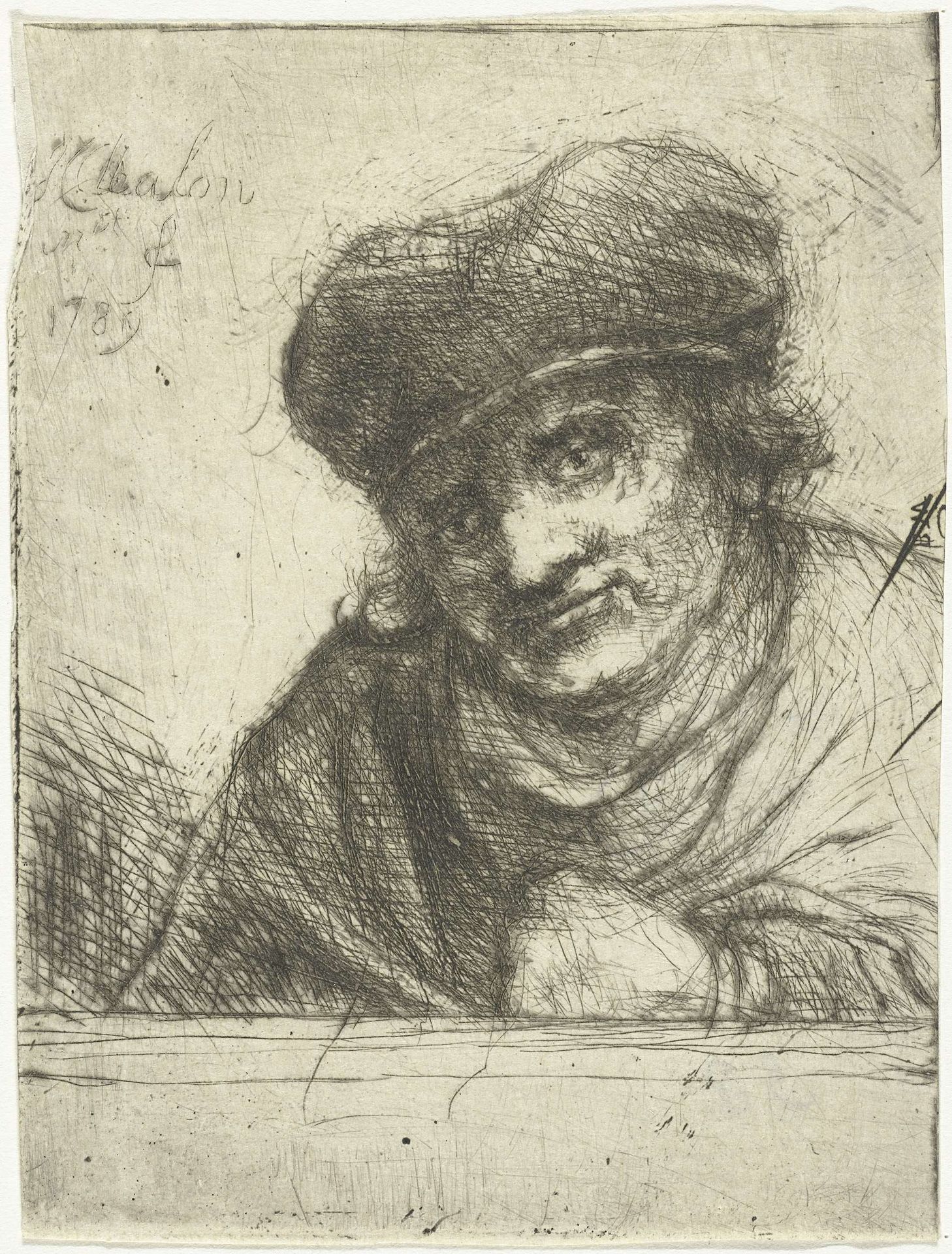
Jan Chalon created this etching titled "Man met muts," or "Man with a hat" around 1785, in the Netherlands. This piece offers a glimpse into the world and the individuals who occupied it during the late 18th century. The sitter, rendered with striking detail, is a man with a distinct hat. His gaze is both direct and contemplative, seeming to invite the viewer into his personal space, while keeping them at a distance. Chalon's skillful use of light and shadow brings out the textures of the man’s clothing and hat. The very act of portraying a man from what seems to be a regular background during this period, challenges the dominance of traditional portraiture, which often focused on the wealthy and powerful. Chalon's “Man with a hat” is more than just a portrait; it is a study of character, an observation of humanity, and a reflection of the changing social landscape of the 18th century. It stands as a testament to the power of art to capture the emotional and social complexities of its time.

Artwork details
- Medium
- etching
- Dimensions
- height 92 mm, width 70 mm
- Copyright
- Rijks Museum: Open Domain
Tags
portrait
etching
romanticism
realism
Comments
No comments
About this artwork
Jan Chalon created this etching titled "Man met muts," or "Man with a hat" around 1785, in the Netherlands. This piece offers a glimpse into the world and the individuals who occupied it during the late 18th century. The sitter, rendered with striking detail, is a man with a distinct hat. His gaze is both direct and contemplative, seeming to invite the viewer into his personal space, while keeping them at a distance. Chalon's skillful use of light and shadow brings out the textures of the man’s clothing and hat. The very act of portraying a man from what seems to be a regular background during this period, challenges the dominance of traditional portraiture, which often focused on the wealthy and powerful. Chalon's “Man with a hat” is more than just a portrait; it is a study of character, an observation of humanity, and a reflection of the changing social landscape of the 18th century. It stands as a testament to the power of art to capture the emotional and social complexities of its time.
Comments
No comments