About this artwork
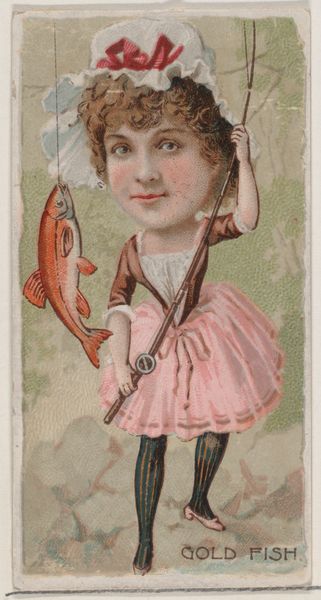
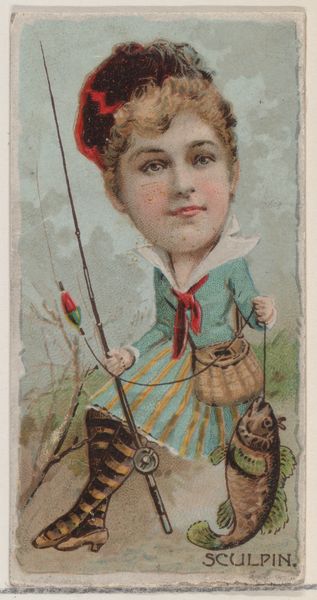
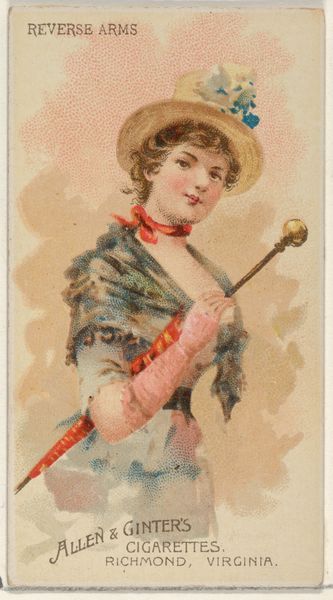
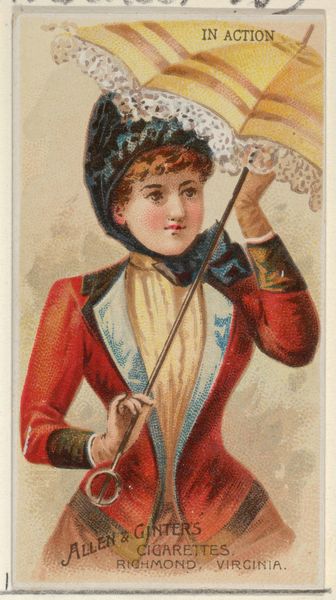
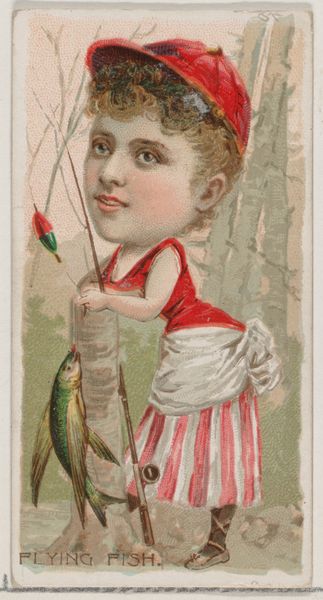
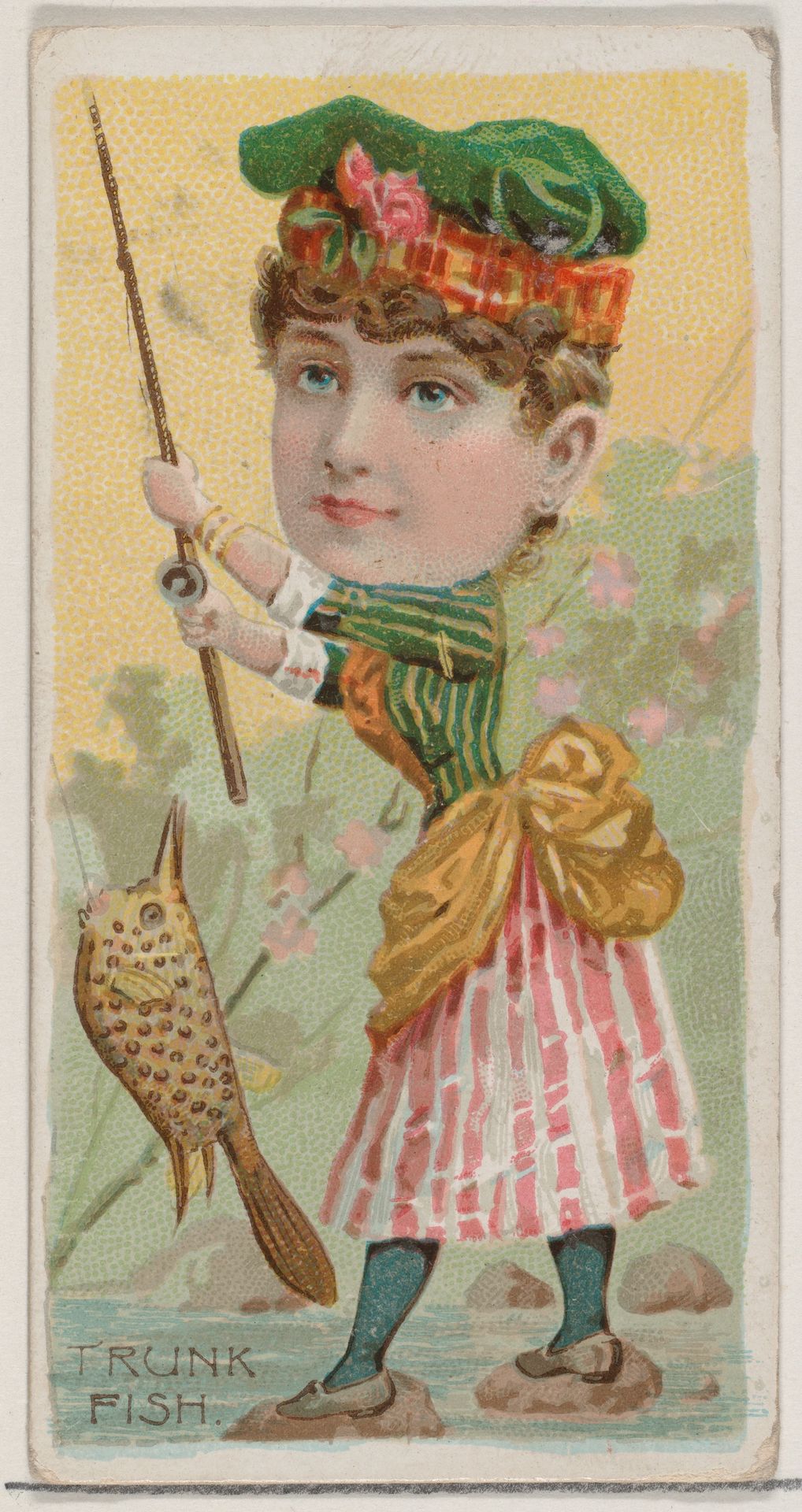
This chromolithograph, "Trunk Fish," was made by Knapp & Company as part of a series of cigarette cards for Duke brand cigarettes. The processes used to make this image are relevant to understanding its appeal and use in promoting commercial products. Chromolithography involved using multiple limestone blocks and a separate stone for each color, enabling mass production of color images, which was relatively new at the time. The high-speed printing technology and color fidelity would have impressed consumers and set Duke's cigarettes apart from competitors. This method ties into wider social issues of labor, politics, and consumption, and the amount of work involved in the production process. Cigarette cards were a clever marketing strategy, driving sales and creating collectable series. The cards encouraged brand loyalty and acted as miniature artworks circulating in society. By understanding the chromolithographic process, we recognize the value of this cigarette card as not just an image, but as a product of industrial-age advertising and its impact on consumer culture.
Trunk Fish, from the series Fishers and Fish (N74) for Duke brand cigarettes
1888


Artwork details
- Dimensions
- Sheet: 2 3/4 × 1 7/16 in. (7 × 3.6 cm)
- Location
- Metropolitan Museum of Art, New York, NY
- Copyright
- Public Domain
Comments
Share your thoughts
About this artwork
This chromolithograph, "Trunk Fish," was made by Knapp & Company as part of a series of cigarette cards for Duke brand cigarettes. The processes used to make this image are relevant to understanding its appeal and use in promoting commercial products. Chromolithography involved using multiple limestone blocks and a separate stone for each color, enabling mass production of color images, which was relatively new at the time. The high-speed printing technology and color fidelity would have impressed consumers and set Duke's cigarettes apart from competitors. This method ties into wider social issues of labor, politics, and consumption, and the amount of work involved in the production process. Cigarette cards were a clever marketing strategy, driving sales and creating collectable series. The cards encouraged brand loyalty and acted as miniature artworks circulating in society. By understanding the chromolithographic process, we recognize the value of this cigarette card as not just an image, but as a product of industrial-age advertising and its impact on consumer culture.
Comments
Share your thoughts