c. 1870 - 1898
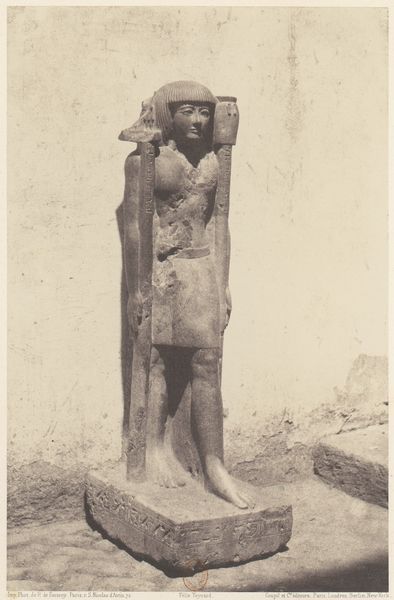
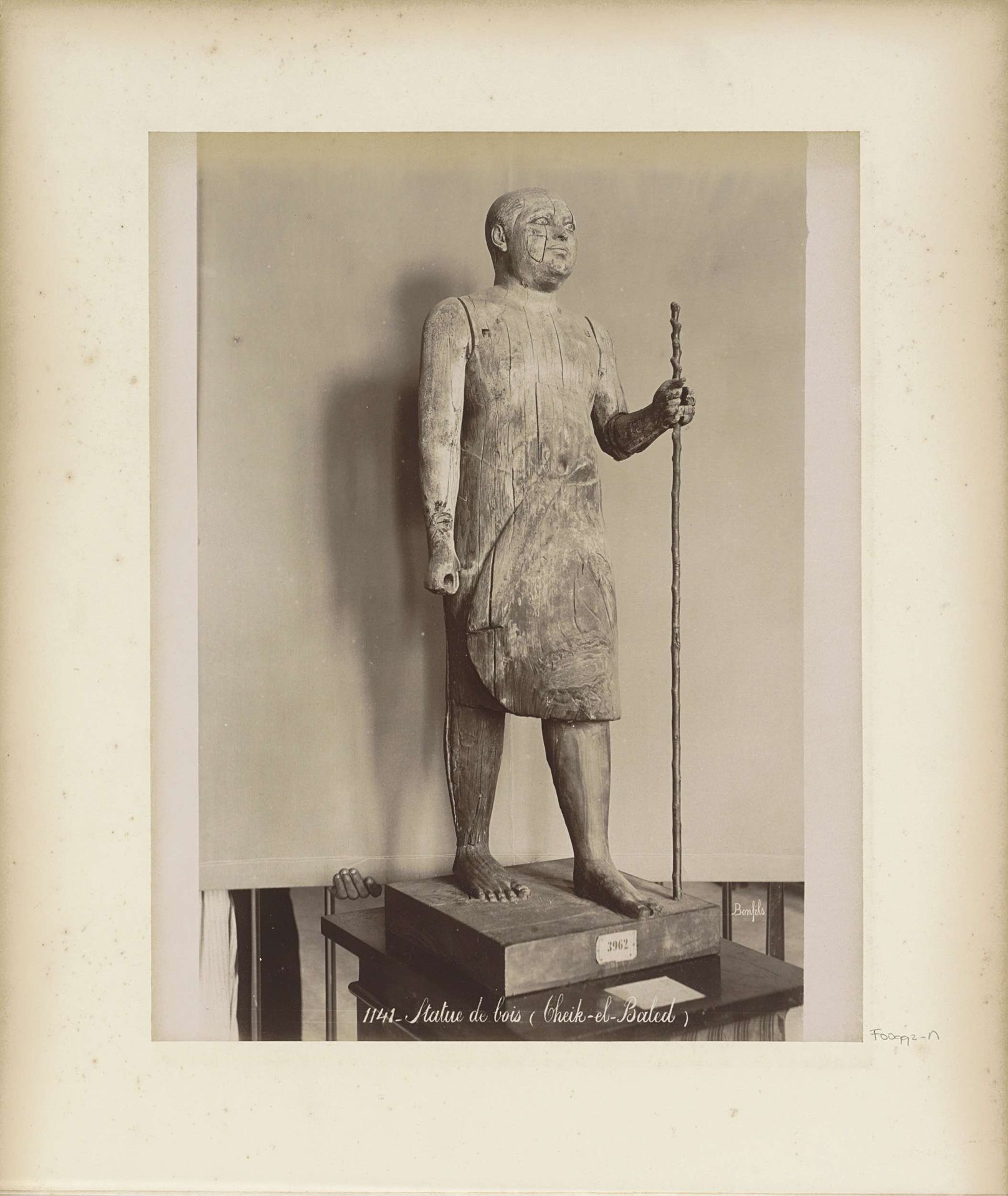
Houten standbeeld van een man met een staf (Cheik-el-Baled)

Maison Bonfils
@maisonbonfilsLocation
RijksmuseumListen to curator's interpretation
Curatorial notes
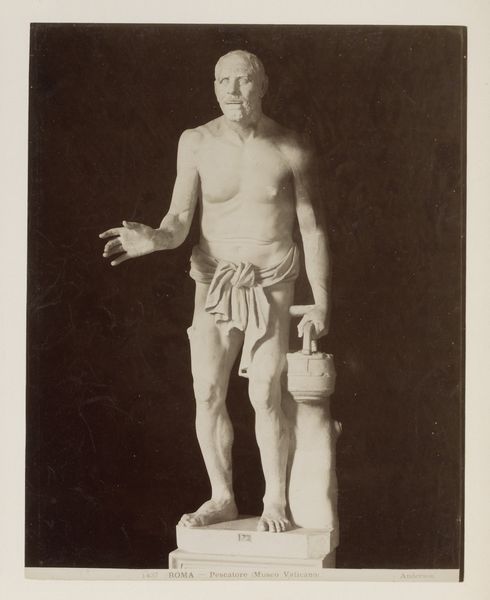
Here we see a photographic representation of the wooden statue of Cheik-el-Baled, captured by Maison Bonfils. The figure’s staff—a seemingly simple object—resonates with profound cultural significance. Throughout history, the staff has been an emblem of authority and guidance. Consider the scepters of ancient rulers, the shepherd's crook, or the wands of mythical figures. They all echo the notion of power, direction, and control. Even in Christian art, the bishop's staff represents spiritual leadership, a connection to the divine. One might ask: Is this staff a symbol of true authority, or a relic of a bygone era, imbued with a longing for stability? The image stirs our collective memory. The pose and the staff evoke not just power but perhaps a deeper, subconscious desire for order in a world that often feels chaotic. This symbol's enduring presence shows how human societies, across time, have sought tangible representations of leadership. Whether we view it as a sign of genuine authority or an empty symbol, the staff's cultural journey continues, each era layering new interpretations onto this ancient emblem.