1577
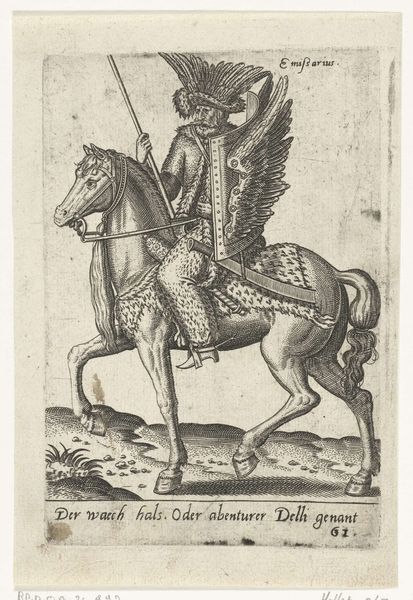
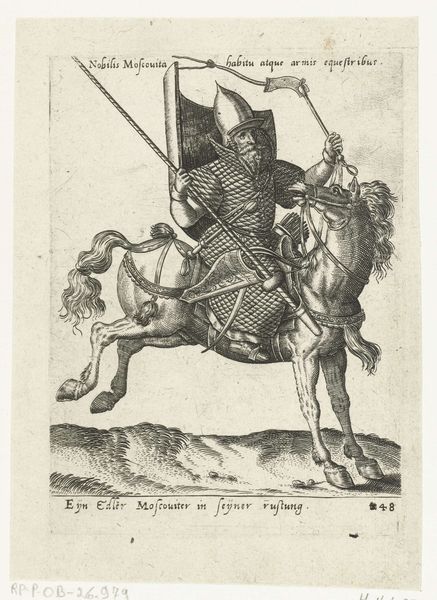
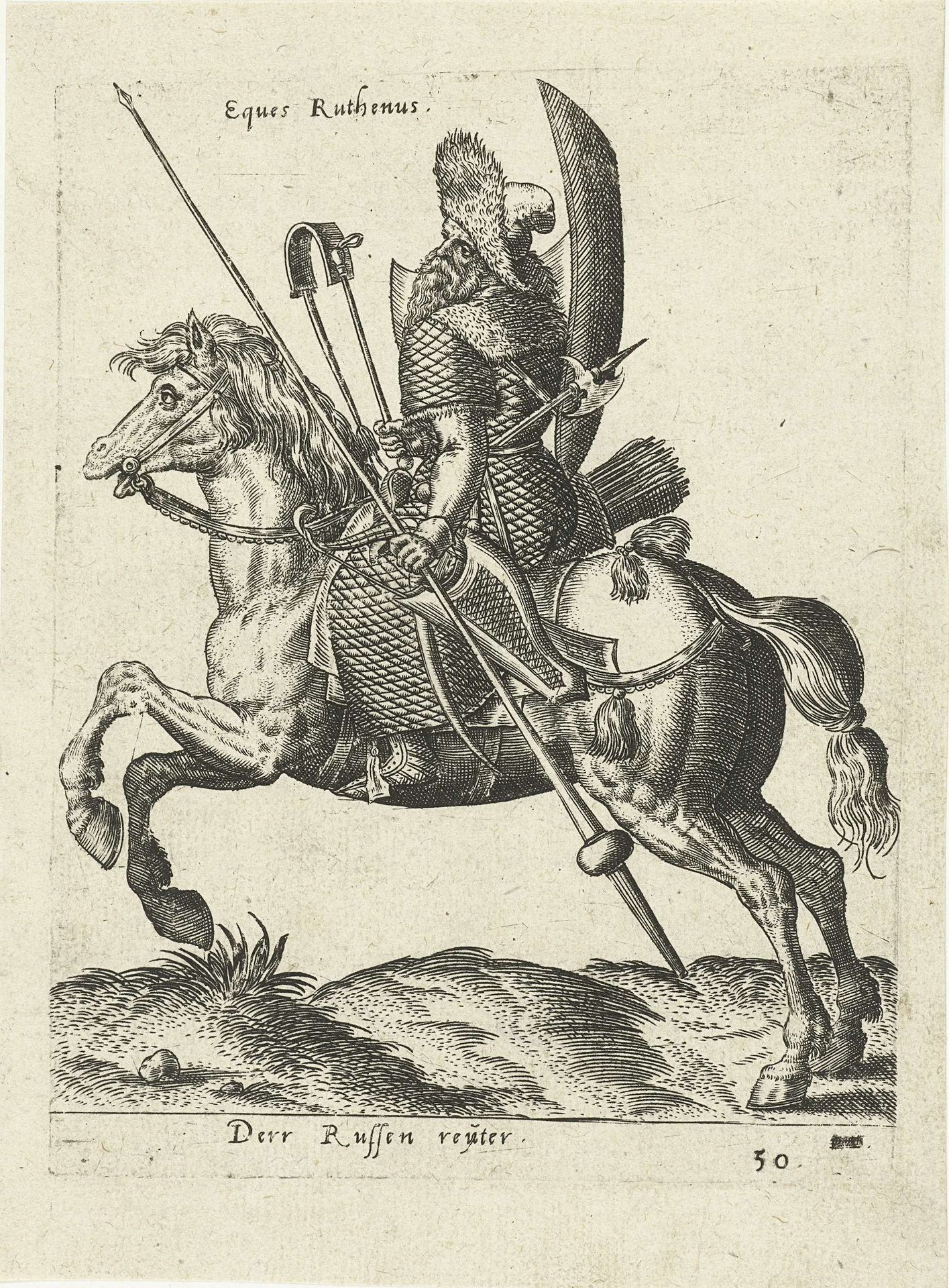
Russische ruiter

Abraham de Bruyn
1540 - 1587Location
RijksmuseumListen to curator's interpretation
Curatorial notes
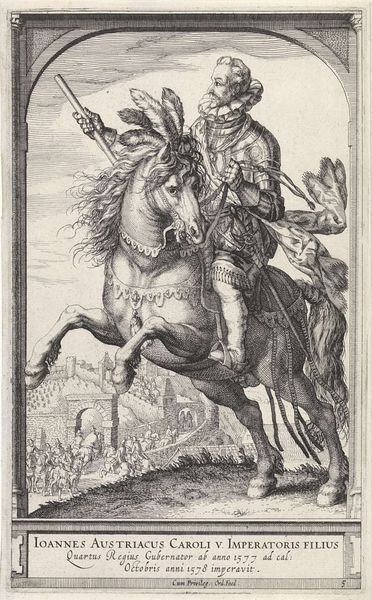
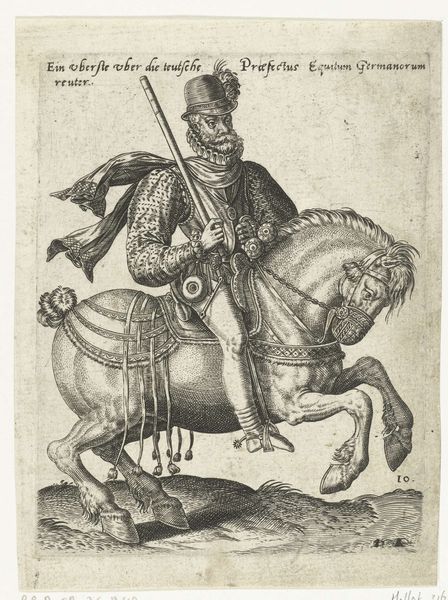
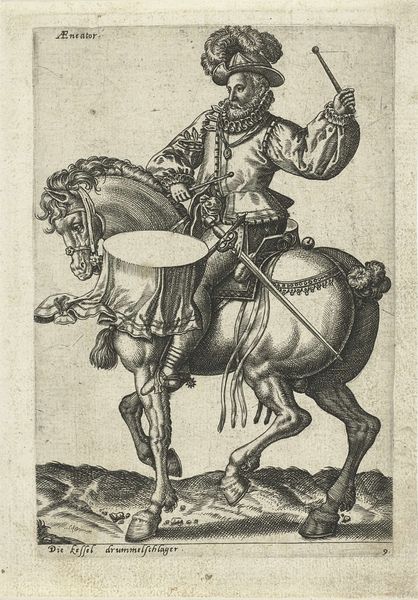
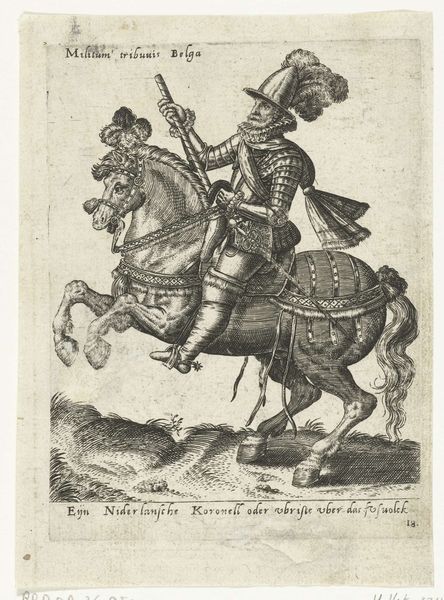
Abraham de Bruyn created this engraving, "Russische ruiter," which translates to "Russian Rider," sometime in the late 16th century. During this period, Western Europe's understanding of Eastern cultures was often filtered through stereotypes and limited encounters. Here, the rider is adorned in armor and fur, and the horse in decorative tassels, signaling both power and a sense of the "exotic." The image invites us to consider how identity is constructed and perceived across cultural divides. It’s fascinating how the image captures the tension between the reality of cultural exchange and the projection of Western fantasies onto the "other." How does this depiction shape or reflect societal views of the East? And what does it mean for us today, as we grapple with questions of representation and cultural understanding?