About this artwork
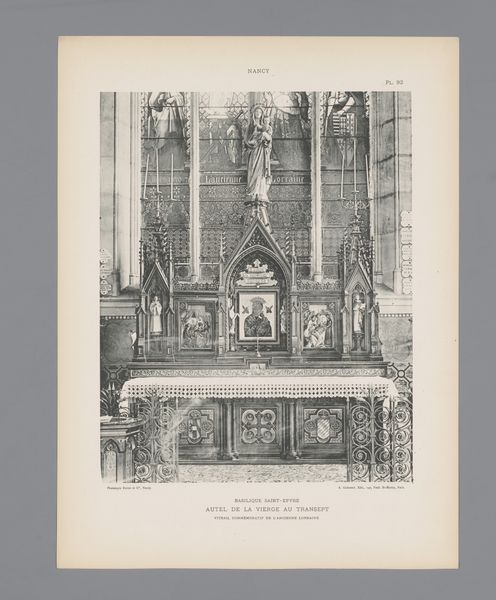
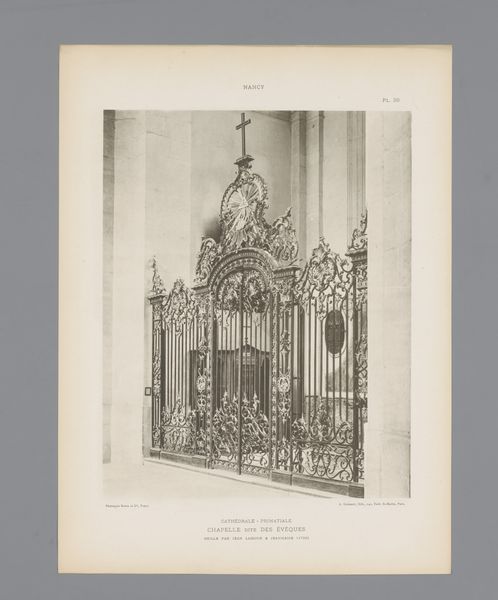
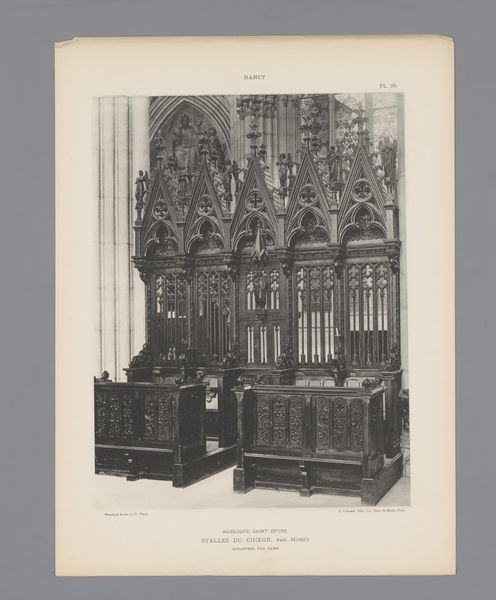
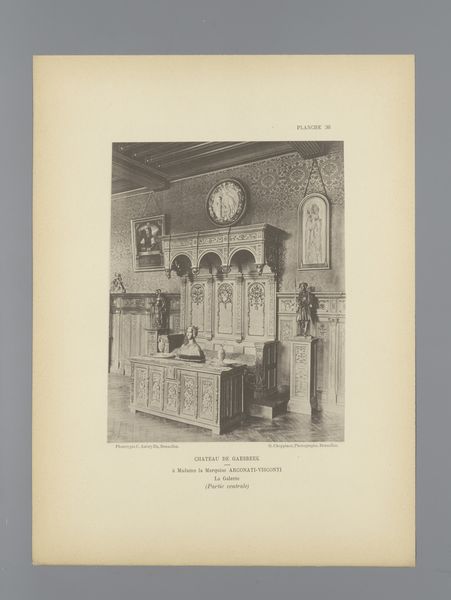
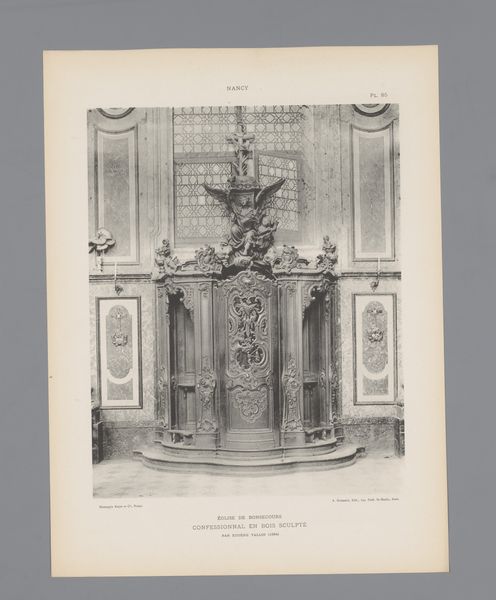
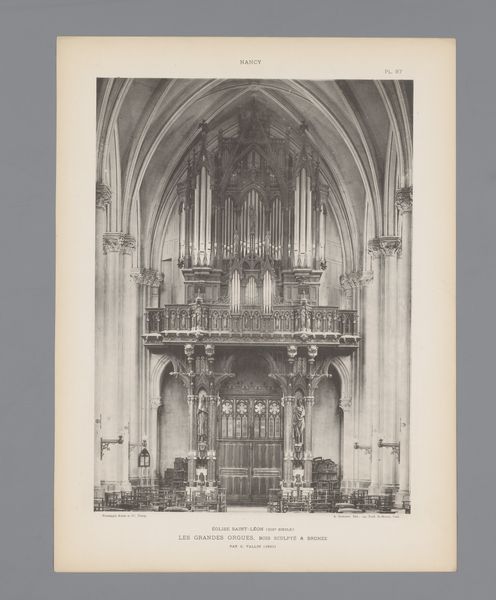
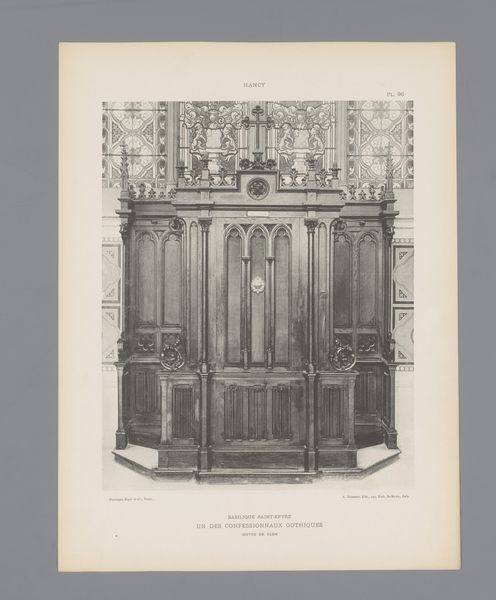
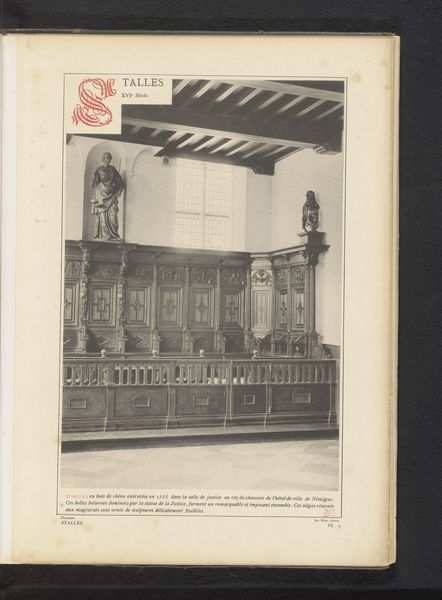
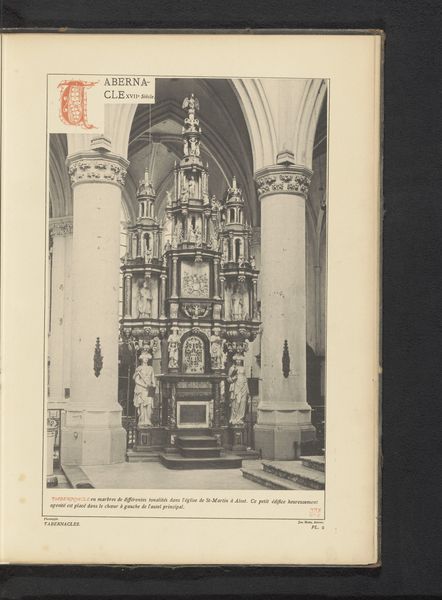
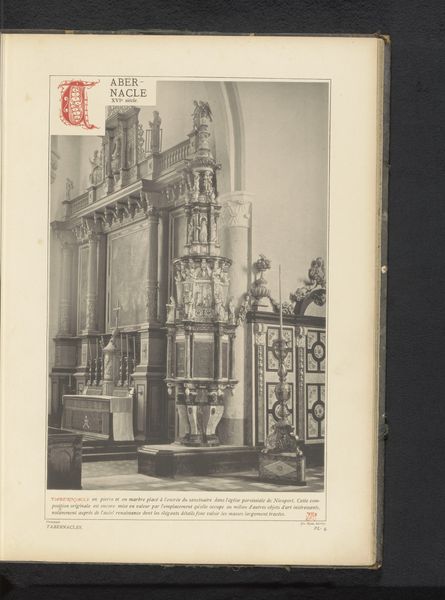
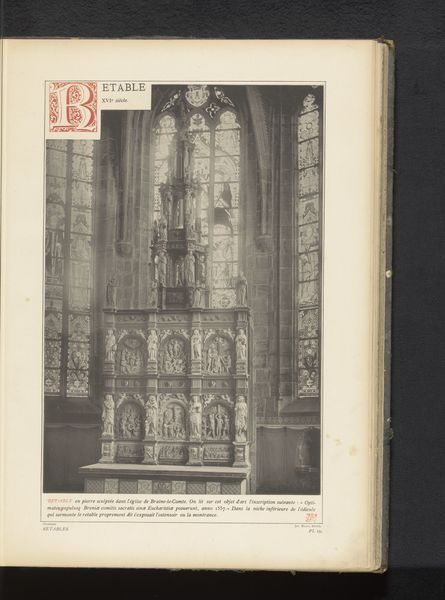
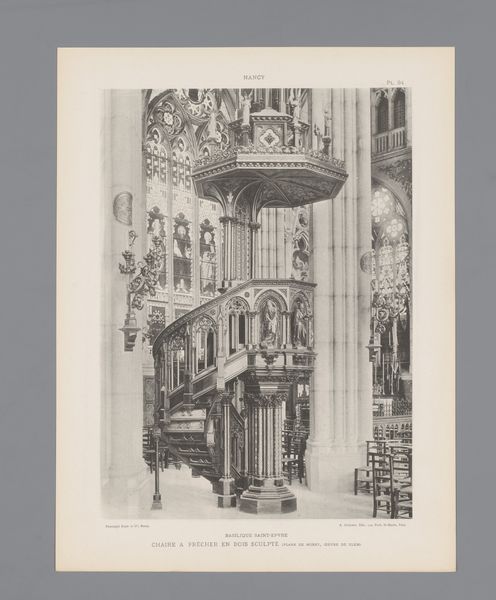
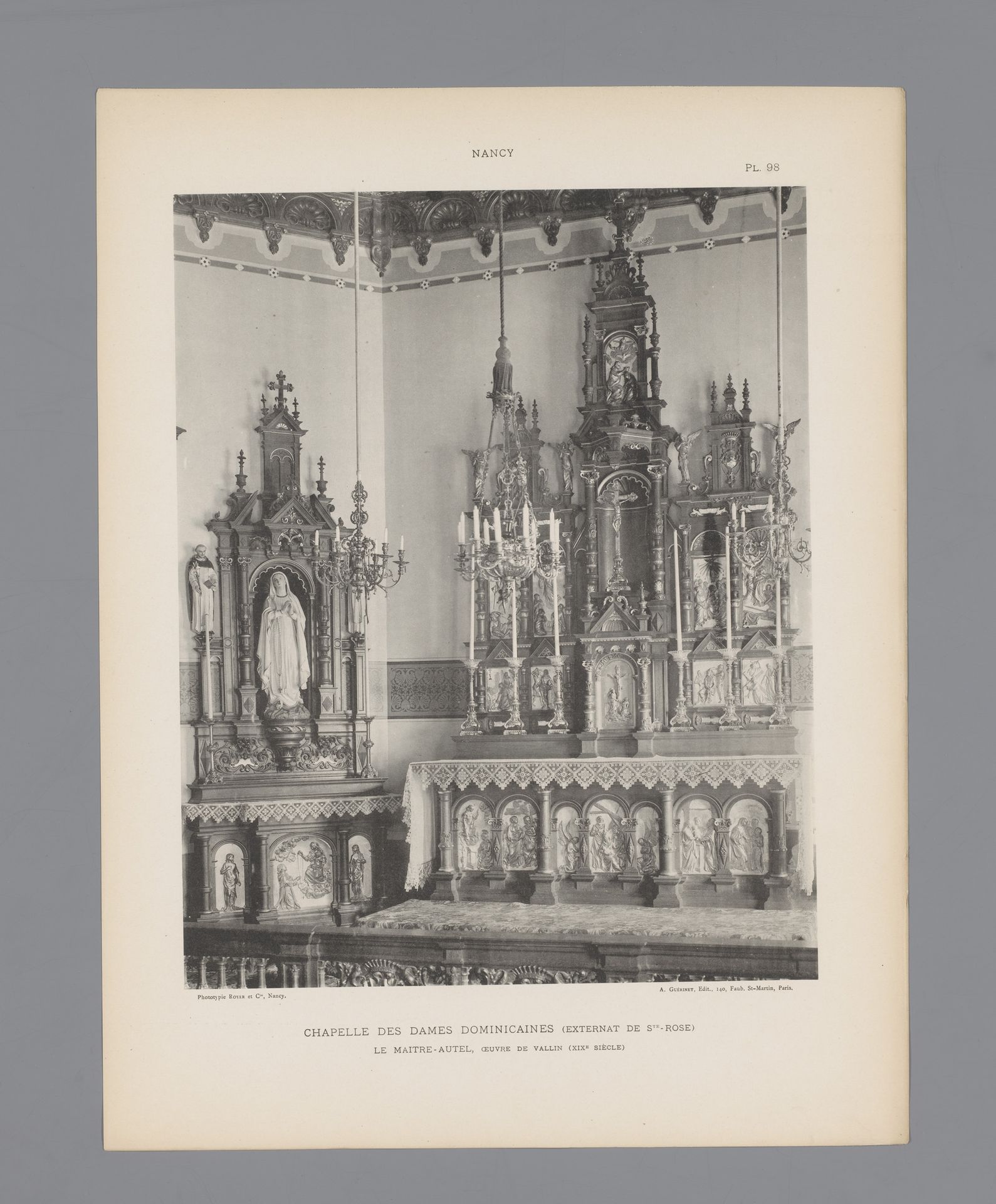
This is a photograph of the altar in the Couvent des Dominicains in Nancy, France. Though undated, the photographic process itself gives us a clue. We can consider the image as the product of institutional forces—both religious and artistic. The altar represents a focal point of religious life, particularly in a convent setting. The image creates meaning through its depiction of religious iconography and architectural grandeur, reflecting the cultural and spiritual values of the time. Nancy, with its complex history shaped by French and German influences, provides a unique context for understanding the artwork's significance. The convent itself, as an institution, played a role in shaping the production and reception of religious art. To understand it better we can research the religious, architectural, and social history of Nancy and the Dominican order in France. This work prompts us to reflect on the role of such institutions in shaping the production and reception of religious art.

Artwork details
- Medium
- print, photography, architecture
- Dimensions
- height 401 mm, width 298 mm
- Copyright
- Rijks Museum: Open Domain
Tags
photography
history-painting
architecture
Comments
Be the first to share your thoughts about this work.
About this artwork
This is a photograph of the altar in the Couvent des Dominicains in Nancy, France. Though undated, the photographic process itself gives us a clue. We can consider the image as the product of institutional forces—both religious and artistic. The altar represents a focal point of religious life, particularly in a convent setting. The image creates meaning through its depiction of religious iconography and architectural grandeur, reflecting the cultural and spiritual values of the time. Nancy, with its complex history shaped by French and German influences, provides a unique context for understanding the artwork's significance. The convent itself, as an institution, played a role in shaping the production and reception of religious art. To understand it better we can research the religious, architectural, and social history of Nancy and the Dominican order in France. This work prompts us to reflect on the role of such institutions in shaping the production and reception of religious art.
Comments
Be the first to share your thoughts about this work.