before 1887
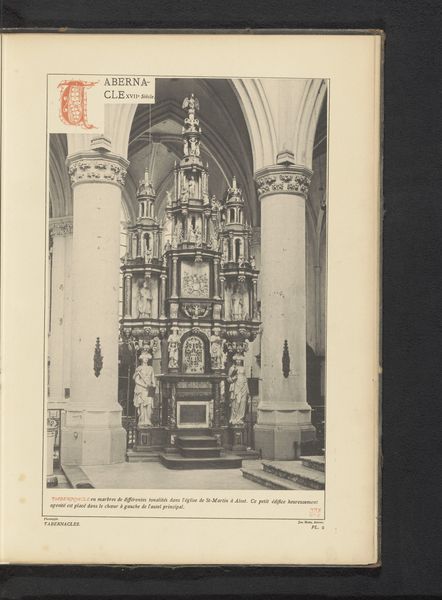
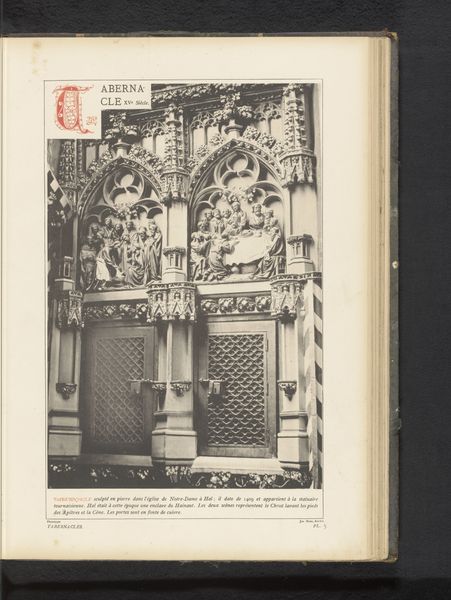
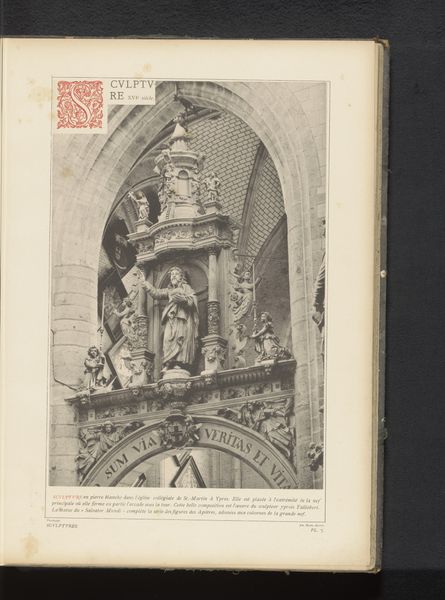
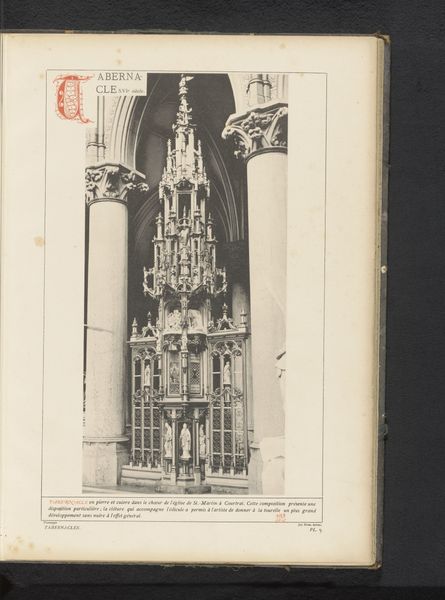
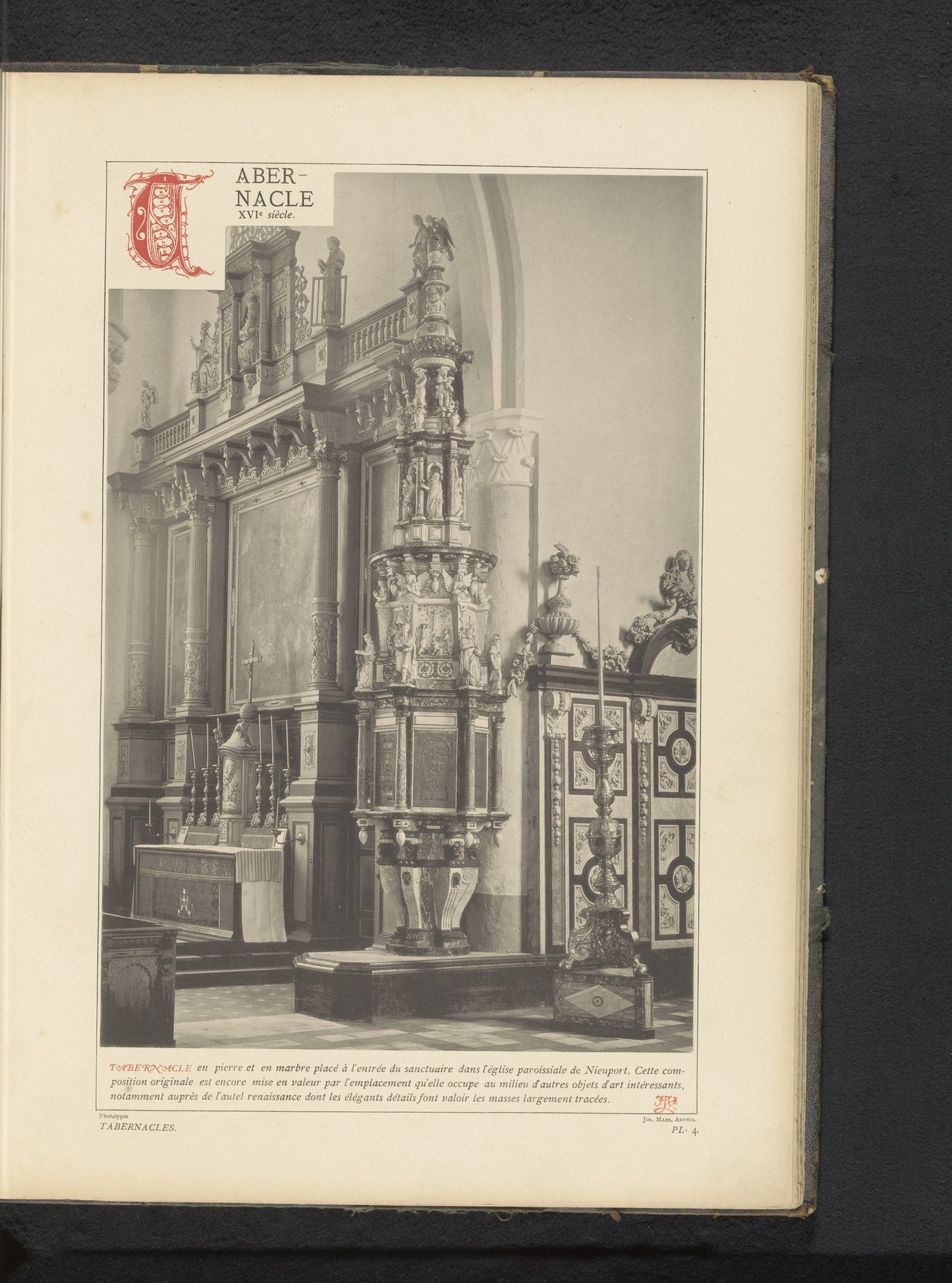
Tabernakel van steen en marmer in de Onze-Lieve-Vrouwekerk in Nieuwpoort, België

Listen to curator's interpretation
Curatorial notes
This is a photograph of a stone and marble tabernacle, taken at the Onze-Lieve-Vrouwekerk in Nieuwpoort, Belgium. As a work of religious art, its purpose was to communicate theological ideas and reinforce the cultural authority of the Catholic Church. Consider the relationship between art and power in 15th-century Europe. The Church was a major patron of the arts, commissioning works to inspire devotion and assert its dominance. Tabernacles like this were not simply decorative; they were integral to religious rituals. Analyzing the tabernacle's visual elements, we might ask how its ornate design and use of precious materials contributed to its intended effect. Its architectural style reflected contemporary tastes, but also referenced earlier traditions of religious art. To understand this tabernacle fully, we need to research its historical context. This might involve examining church records, theological treatises, and accounts of religious life in 15th-century Nieuwpoort. By studying these sources, we can gain a deeper appreciation of the tabernacle as a product of its time and place.