

Curatorial notes
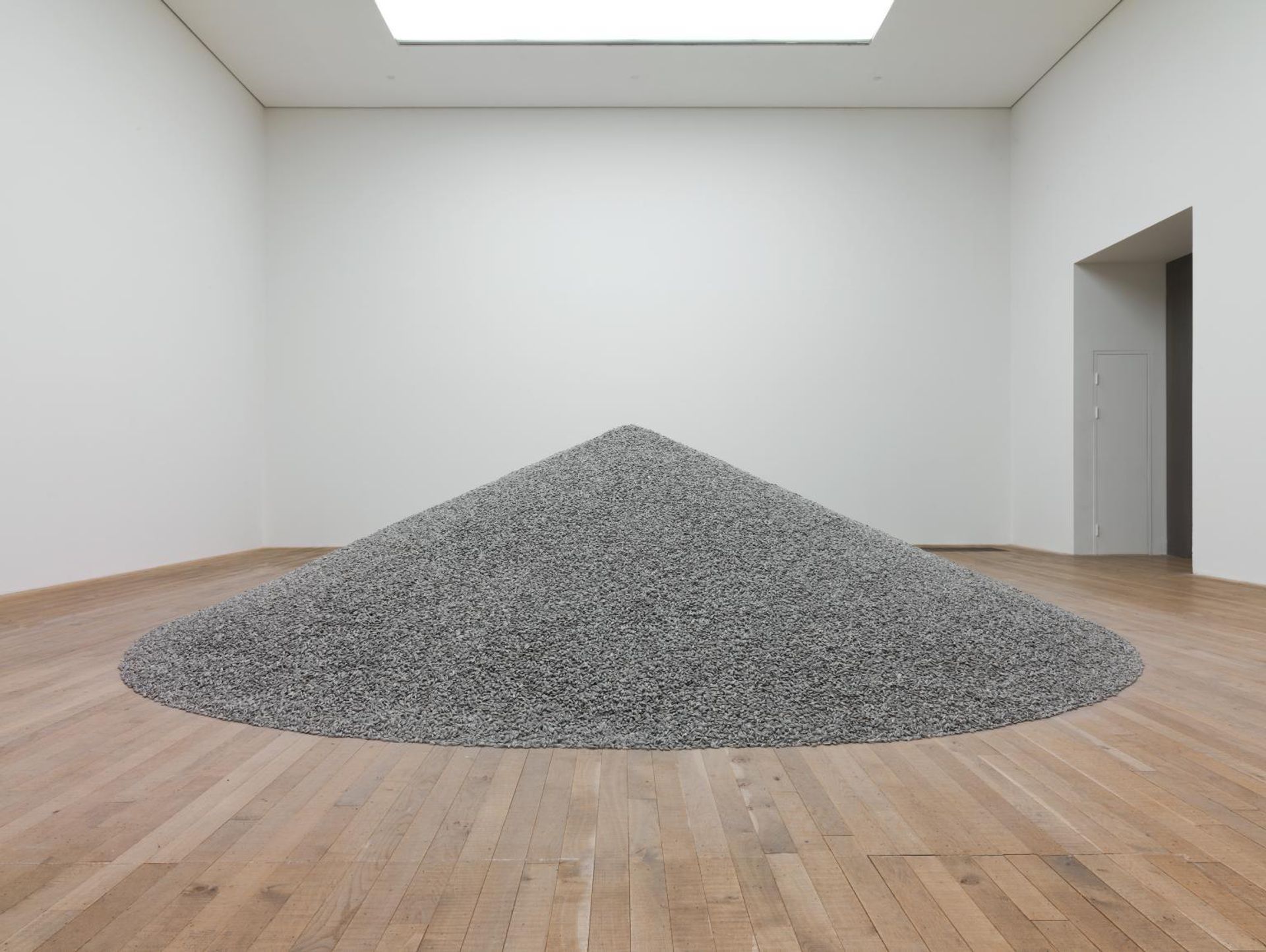
Curator: Ai Weiwei's "Sunflower Seeds" is a powerful installation, currently held in the Tate collection. It invites contemplation on mass production, individual identity, and geopolitical narratives. Editor: Wow, from a distance, it just looks like a grey hill...almost lunar, a desolate landscape. But up close, it’s so much more intricate. Curator: Absolutely. What appears uniform is, in fact, composed of millions of individual, handcrafted porcelain seeds. The work addresses China's history of mass production and its impact on individual expression. Editor: It's like a bittersweet paradox, isn't it? This overwhelming mass is built from so many tiny, unique efforts. So many hands touched each seed to create this collective statement. Curator: Indeed. It prompts us to consider the human cost of industrialization, the tension between the collective and the individual. Editor: It makes you wonder about the unseen labor, the quiet stories embedded in each piece. Art is about the message, but it also has to do with the humanity that creates it. Curator: These seeds serve as a reminder that even in uniformity, there is inherent value and strength in the multitude of individual voices. Editor: Yeah, it’s both a commentary and a strange, beautiful monument to human effort.