1561
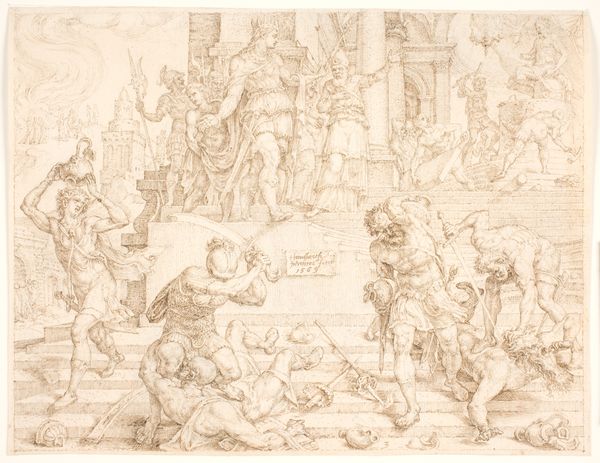
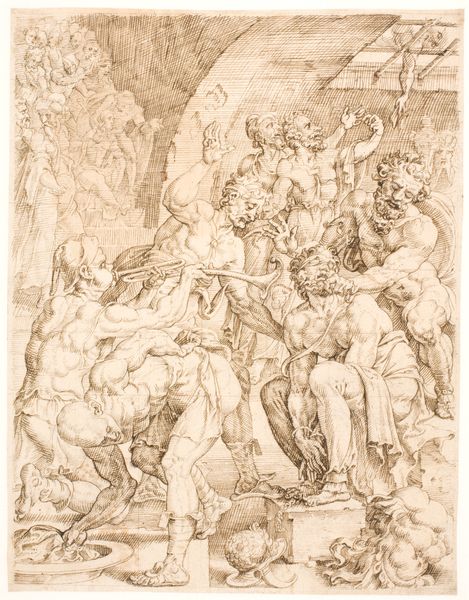
The Destruction of the Altar of Baal


Listen to curator's interpretation
Curatorial notes
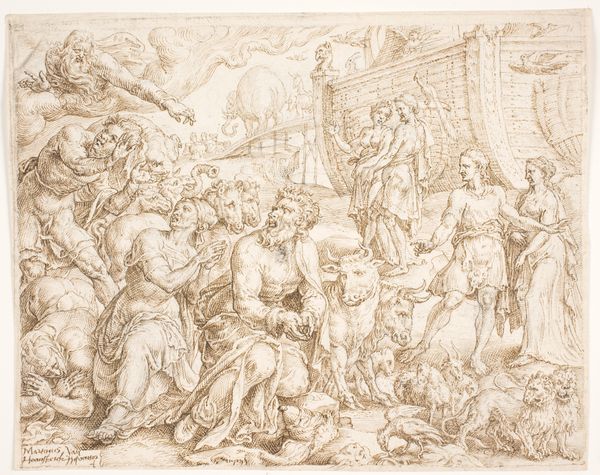
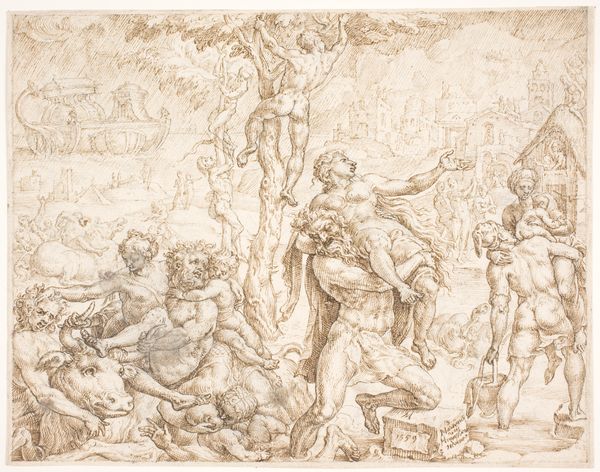
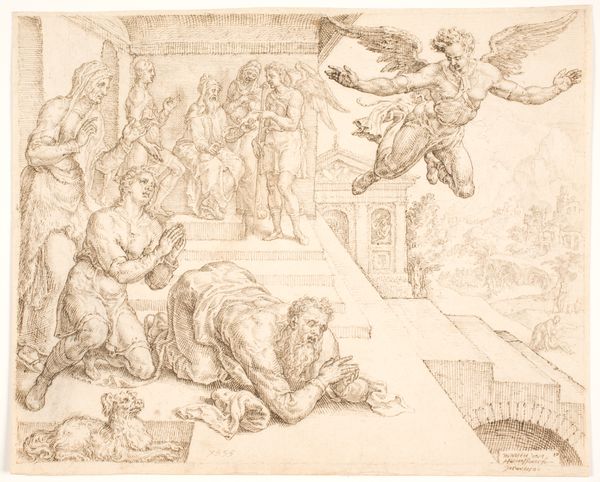
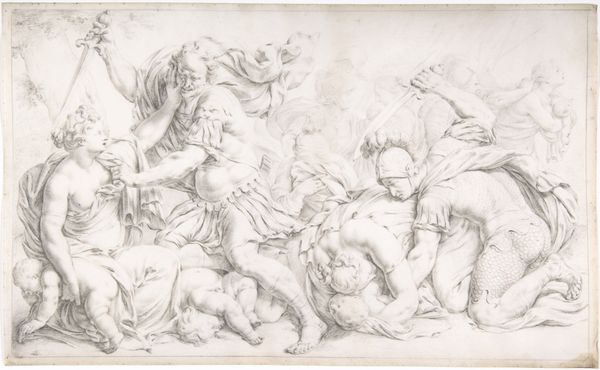
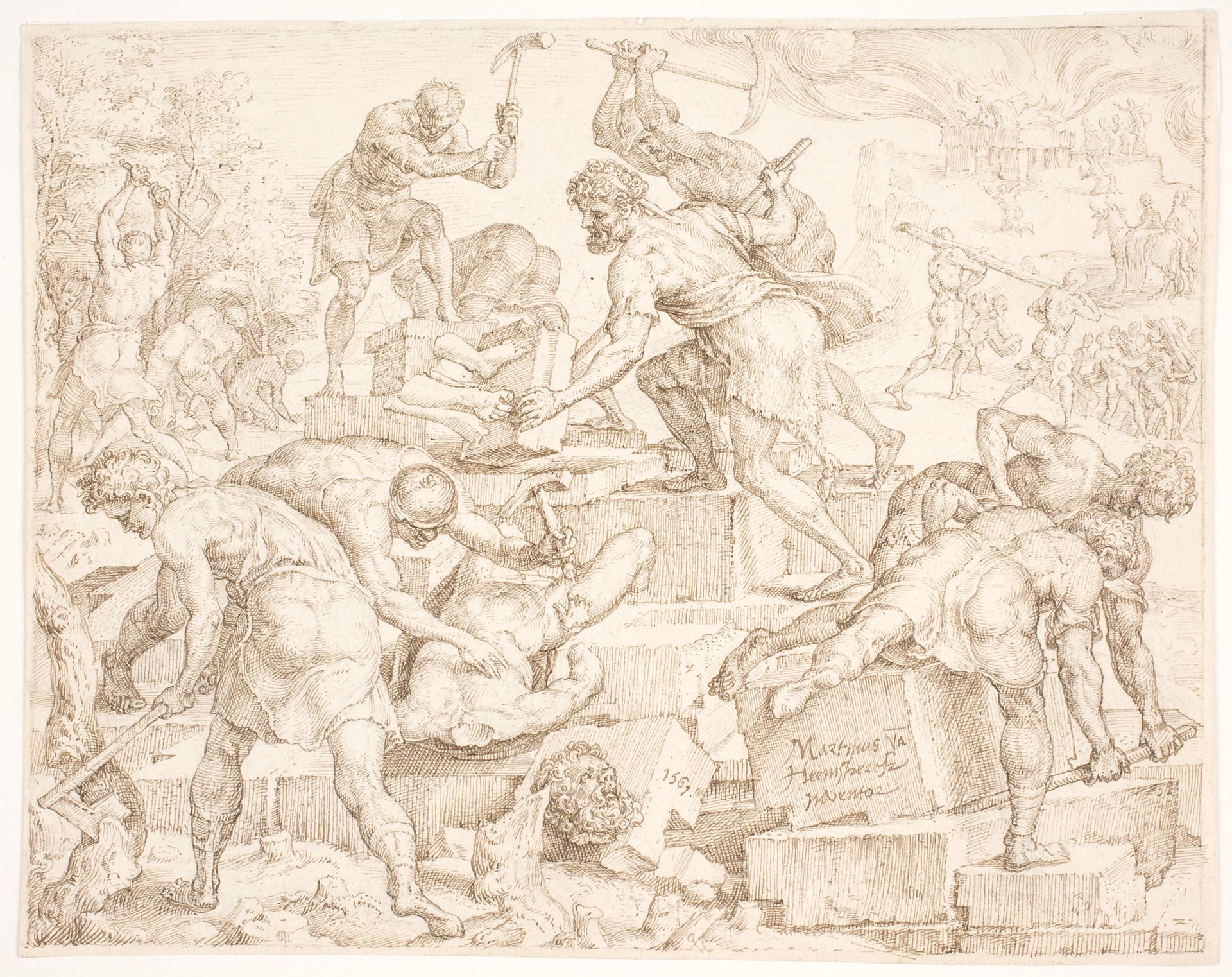
Maarten van Heemskerck made this drawing, The Destruction of the Altar of Baal, in 1559. Heemskerck worked in the Netherlands during the Reformation, when the visual arts became a battleground between Protestants and Catholics. Here, Heemskerck depicts a scene from the Old Testament, one with clear relevance to the religious conflicts of his own time. The zealous smashing of idols speaks to the iconoclasm of the Reformation, when many works of art in churches were defaced or destroyed for their associations with the Catholic Church. At the same time, the drawing’s focus on ancient history lends a note of humanist erudition to the Protestant cause. The visual style of the drawing adds another layer to its meaning. Heemskerck has clearly studied Italian Renaissance art, filling the composition with muscular figures reminiscent of Michelangelo. The setting, too, evokes ancient Rome. As historians, we can look to sources like religious pamphlets, records of iconoclastic riots, and the writings of art theorists, in order to better understand this image and its message.