About this artwork
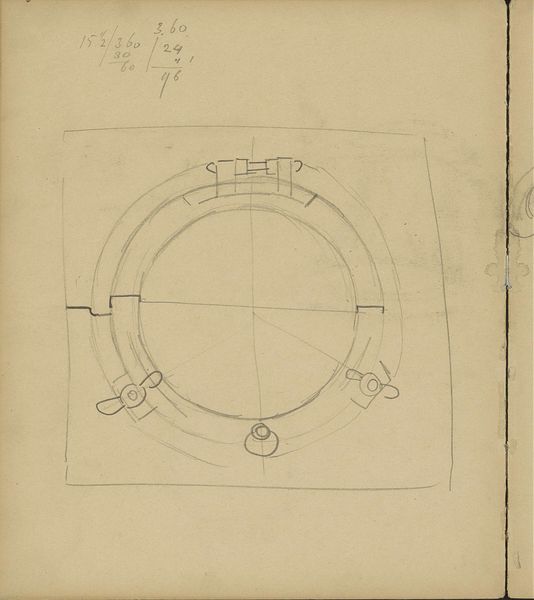
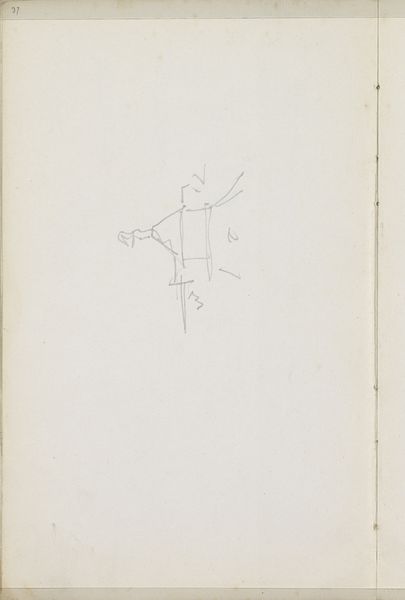
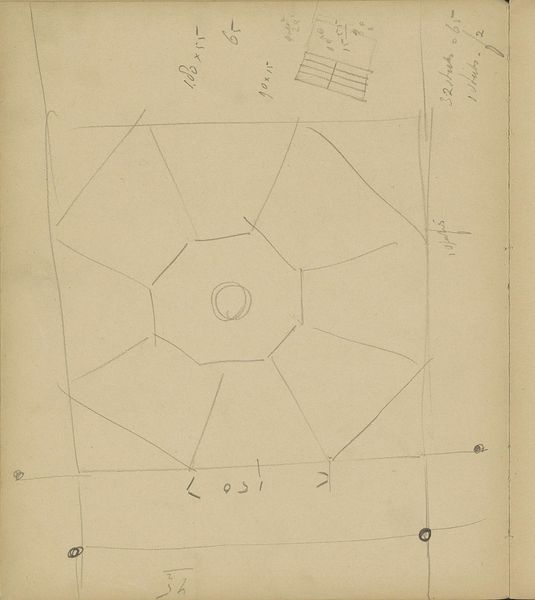
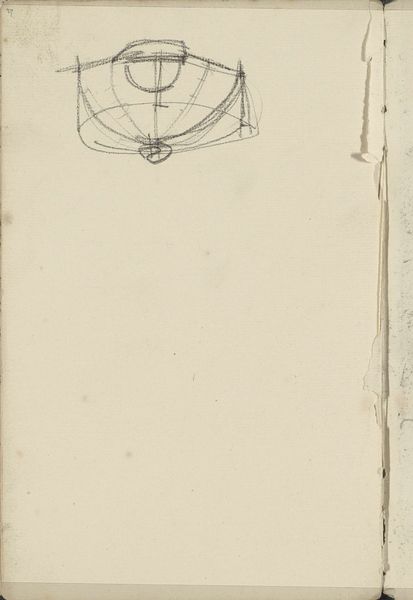
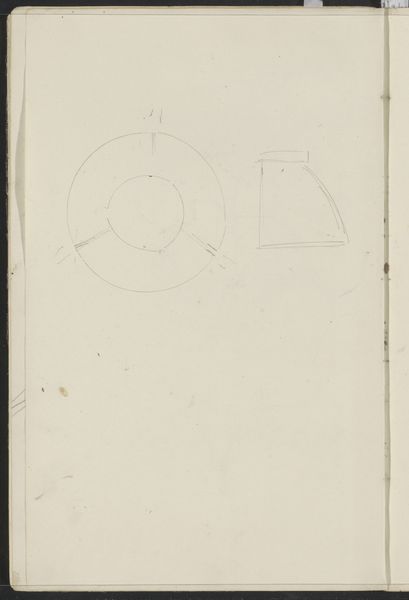
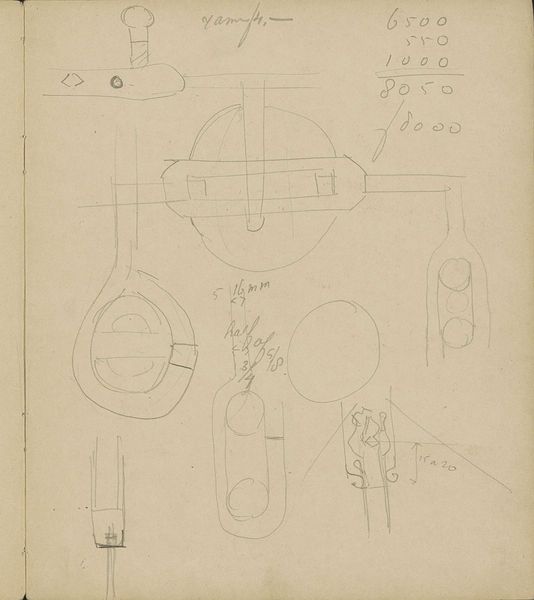
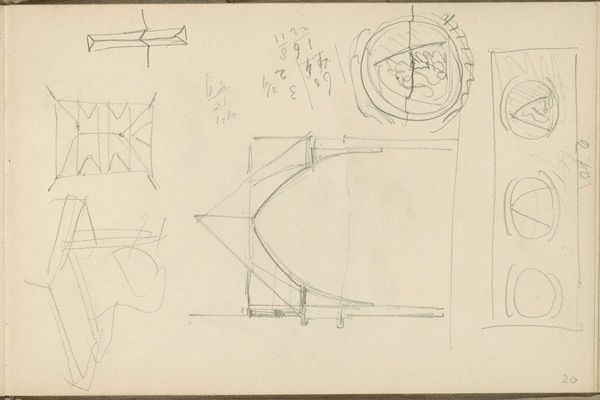
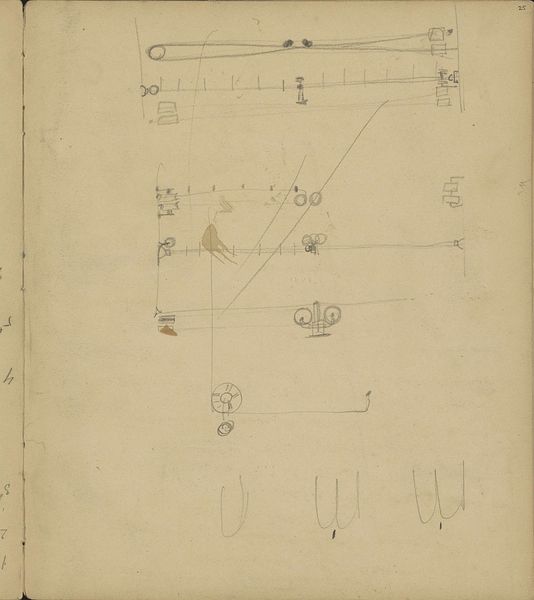
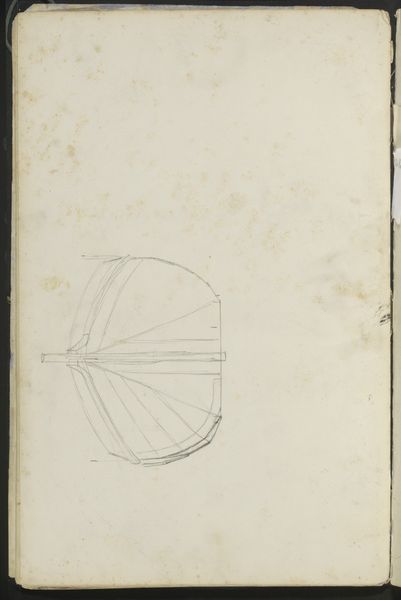
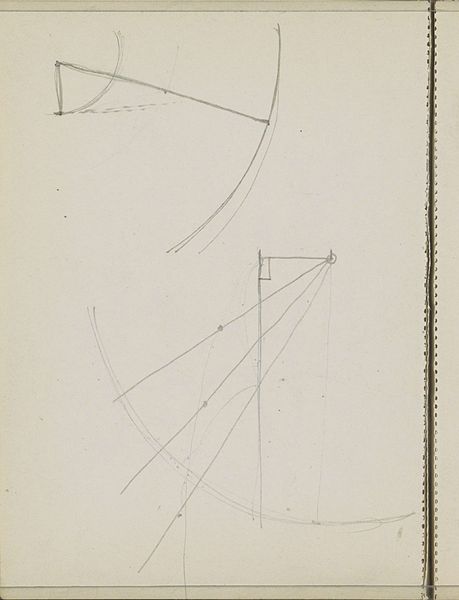
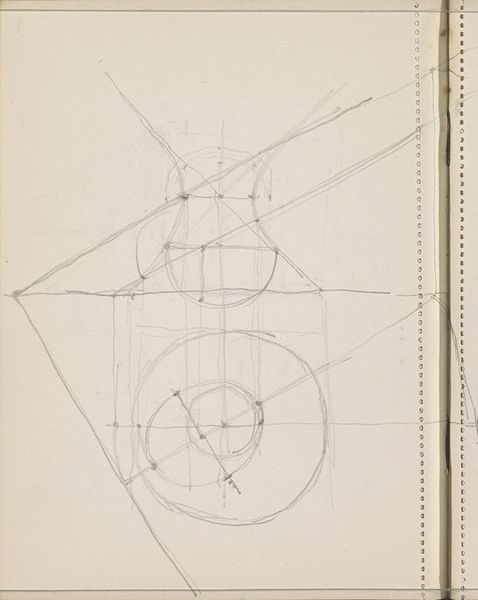
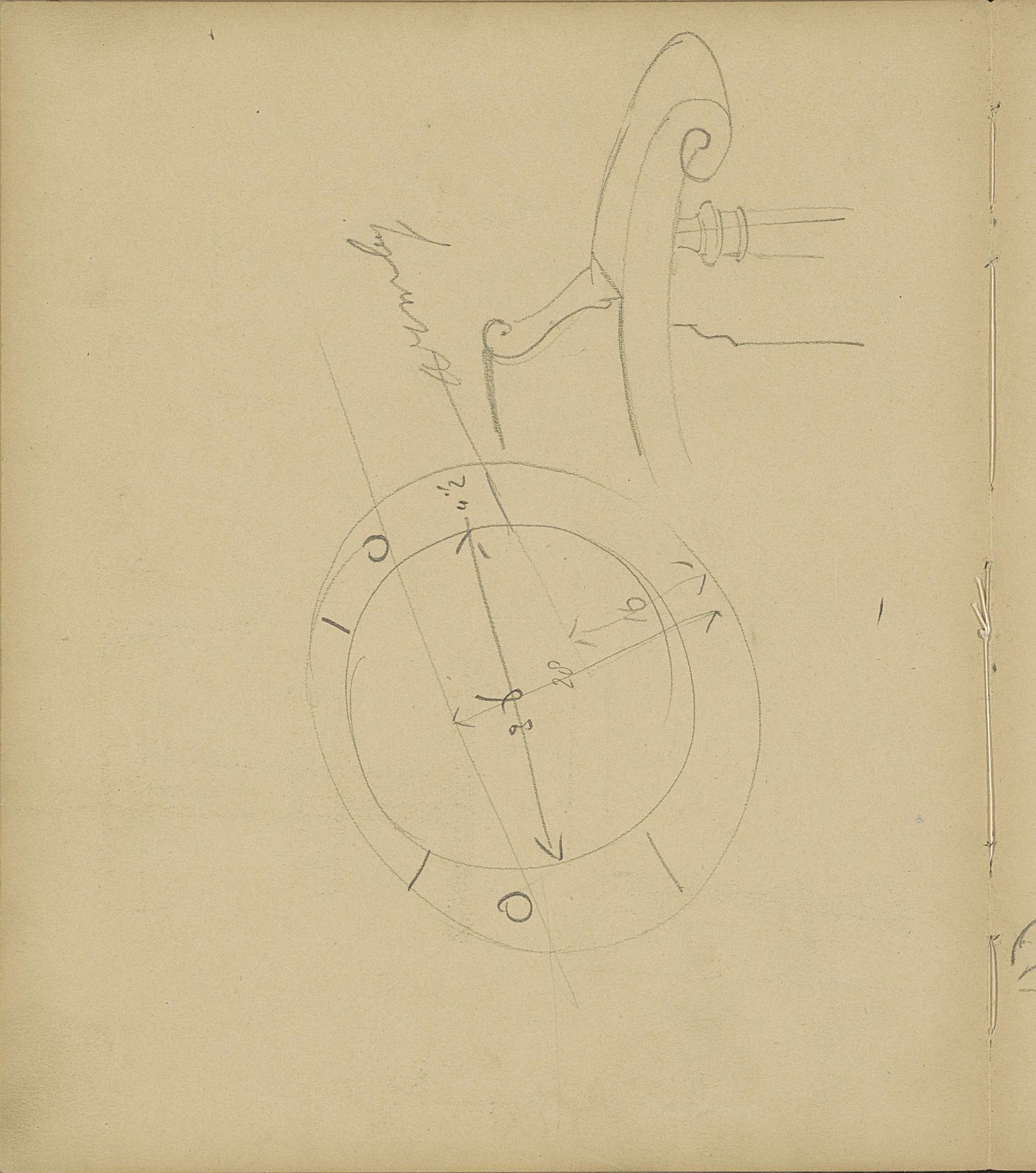
Carel Adolph Lion Cachet made this sketch, *Patrijspoort en een leuning*, using graphite on paper. It’s a kind of diagrammatic dance, isn’t it? There's something so appealing about the directness of the marks here. You can see the artist working out the structure of the porthole and handrail, almost like a puzzle. The graphite is light and airy, giving the sketch a sense of movement and possibility. It's like watching the artist think on paper. Look at how the circle of the porthole is rendered – not a perfect, static form, but a shape built from tentative lines, full of character. This piece reminds me of the playful approach you see in Cy Twombly's drawings. Both artists embrace the beauty of imperfection, allowing the process of creation to remain visible. Art isn't always about the finished product; sometimes, it's about the journey, the exploration, and the questions we ask along the way.

Artwork details
- Medium
- drawing, paper, pencil
- Location
- Rijksmuseum
- Copyright
- Rijks Museum: Open Domain
Tags
drawing
light pencil work
paper
form
geometric
pen-ink sketch
pencil
Comments
Be the first to share your thoughts about this work.
About this artwork
Carel Adolph Lion Cachet made this sketch, *Patrijspoort en een leuning*, using graphite on paper. It’s a kind of diagrammatic dance, isn’t it? There's something so appealing about the directness of the marks here. You can see the artist working out the structure of the porthole and handrail, almost like a puzzle. The graphite is light and airy, giving the sketch a sense of movement and possibility. It's like watching the artist think on paper. Look at how the circle of the porthole is rendered – not a perfect, static form, but a shape built from tentative lines, full of character. This piece reminds me of the playful approach you see in Cy Twombly's drawings. Both artists embrace the beauty of imperfection, allowing the process of creation to remain visible. Art isn't always about the finished product; sometimes, it's about the journey, the exploration, and the questions we ask along the way.
Comments
Be the first to share your thoughts about this work.