About this artwork
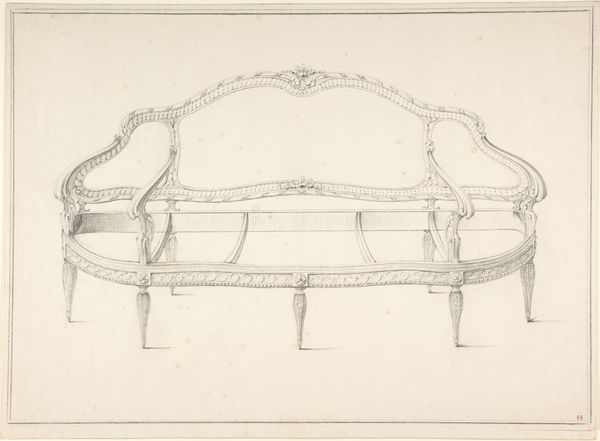
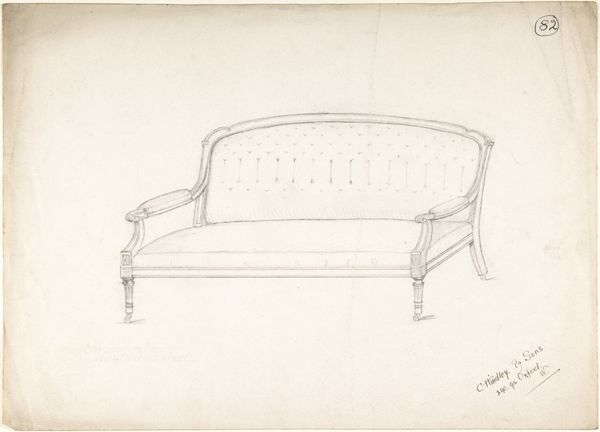
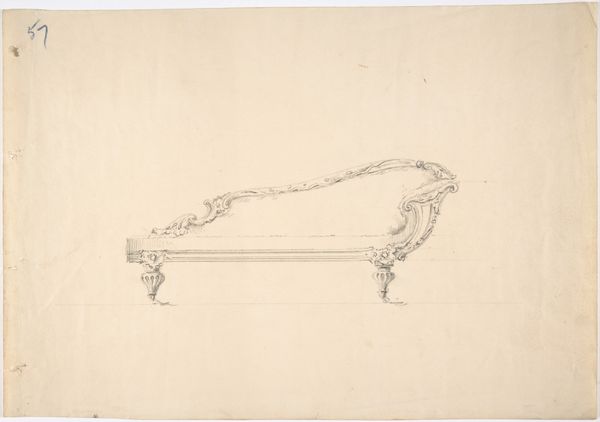
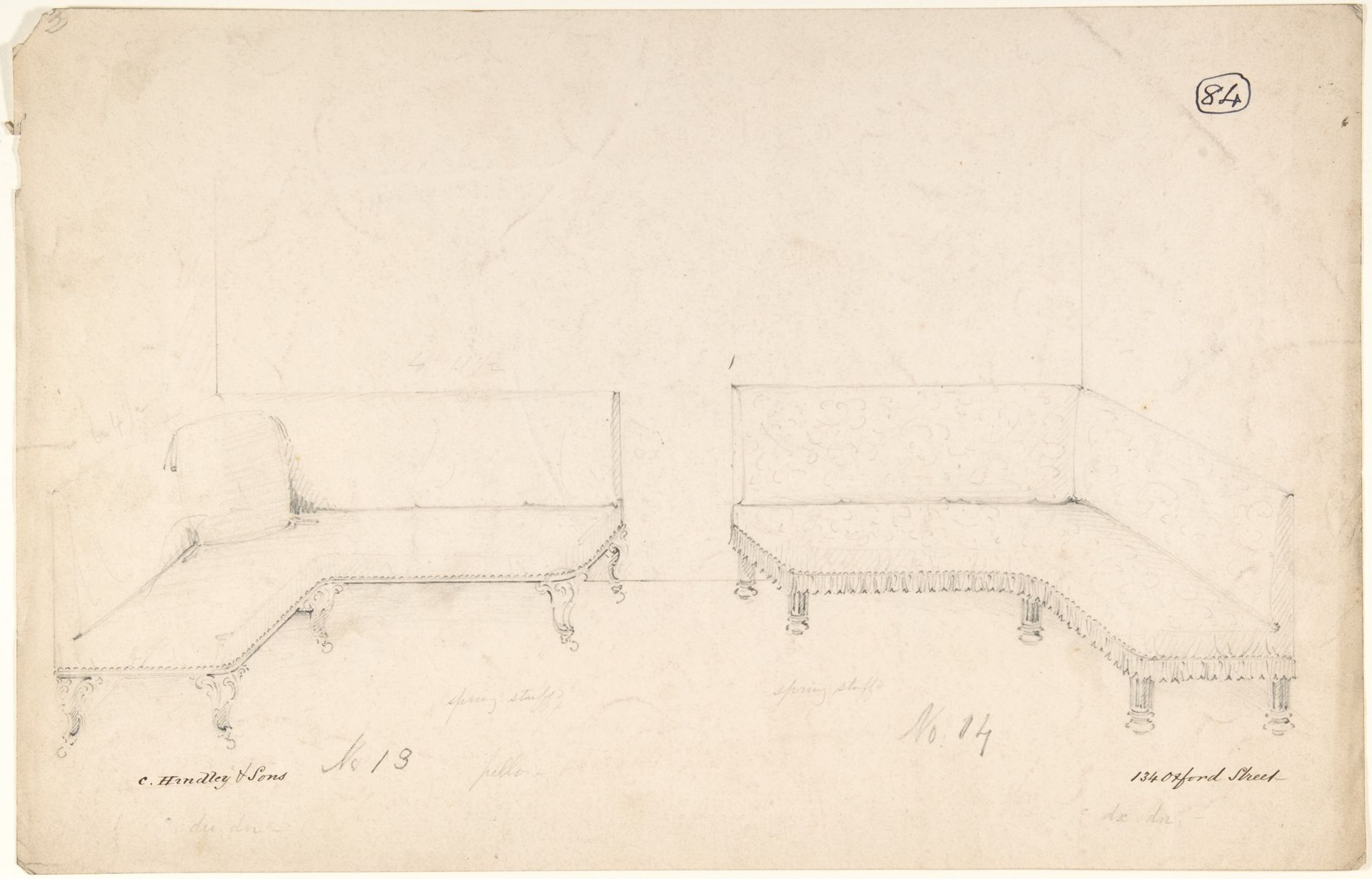
Designs for Two Corner Couches, now at the Met, was created by Charles Hindley and Sons, a London-based decorating firm popular during the Victorian era. These designs offer a glimpse into the aesthetic preferences of the British upper classes during a time of rapid industrialization. They reveal how domestic spaces became a canvas for expressing social status and personal identity. What did it mean to be comfortable at the time? How did gender and class shape the experience of leisure within the private sphere? As women increasingly oversaw the domestic realm, their tastes and desires influenced the design of furniture and interiors, shaping the experience of home life. These couches, with their decorative details, can be seen as more than mere furnishings; they were symbols of a particular lifestyle. They can also be seen as indicators of the labor and resources required to produce and maintain such luxury. They prompt us to reflect on the social and economic structures that underpinned this era of design and consumption.
Designs for Two Corner Couches
1841 - 1884

Charles Hindley and Sons
1841 - 1917
The Metropolitan Museum of Art
Metropolitan Museum of Art, New York, NYArtwork details
- Medium
- drawing, print, paper, pencil
- Dimensions
- sheet: 8 5/8 x 13 1/2 in. (21.9 x 34.3 cm)
- Location
- Metropolitan Museum of Art, New York, NY
- Copyright
- Public Domain
Tags
Comments
Share your thoughts
About this artwork
Designs for Two Corner Couches, now at the Met, was created by Charles Hindley and Sons, a London-based decorating firm popular during the Victorian era. These designs offer a glimpse into the aesthetic preferences of the British upper classes during a time of rapid industrialization. They reveal how domestic spaces became a canvas for expressing social status and personal identity. What did it mean to be comfortable at the time? How did gender and class shape the experience of leisure within the private sphere? As women increasingly oversaw the domestic realm, their tastes and desires influenced the design of furniture and interiors, shaping the experience of home life. These couches, with their decorative details, can be seen as more than mere furnishings; they were symbols of a particular lifestyle. They can also be seen as indicators of the labor and resources required to produce and maintain such luxury. They prompt us to reflect on the social and economic structures that underpinned this era of design and consumption.
Comments
Share your thoughts