About this artwork
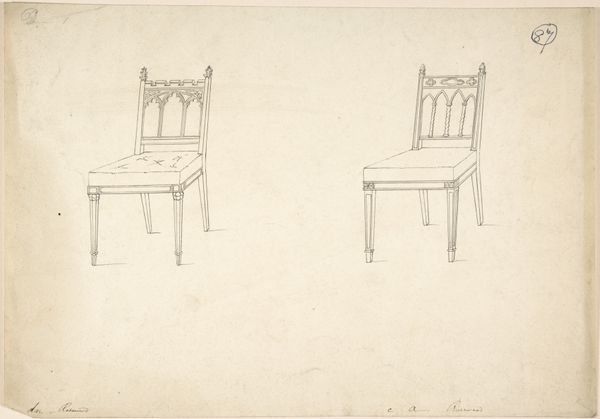
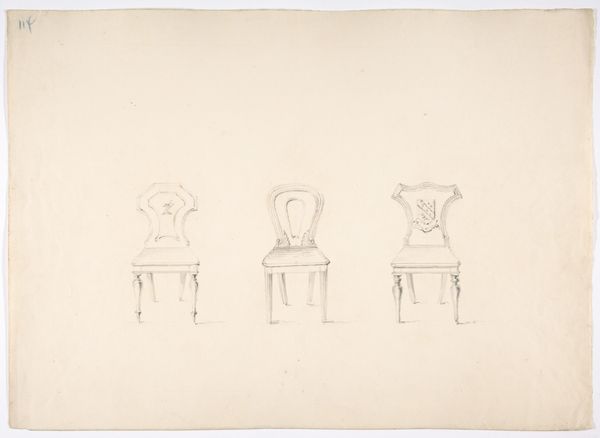
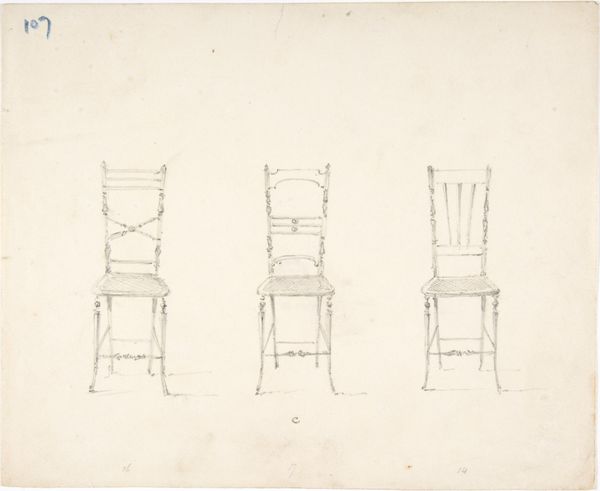
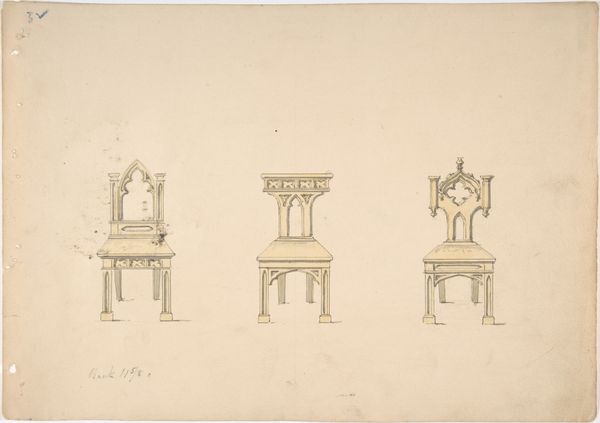
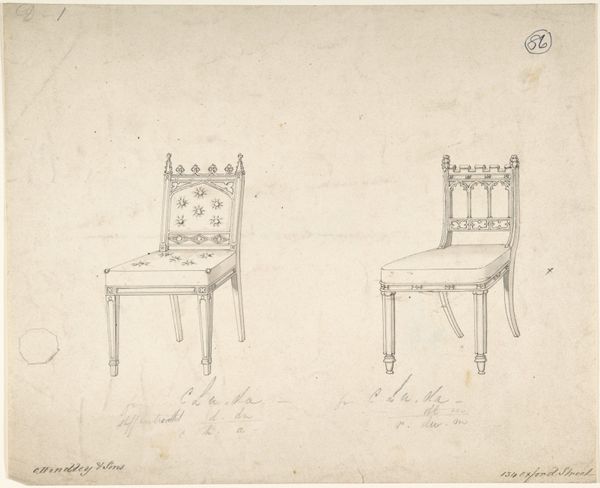
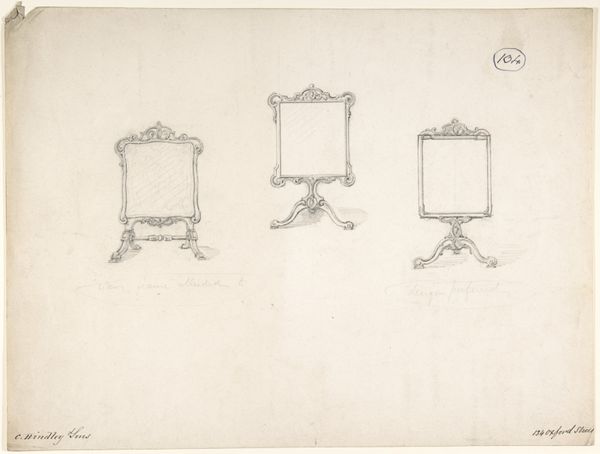
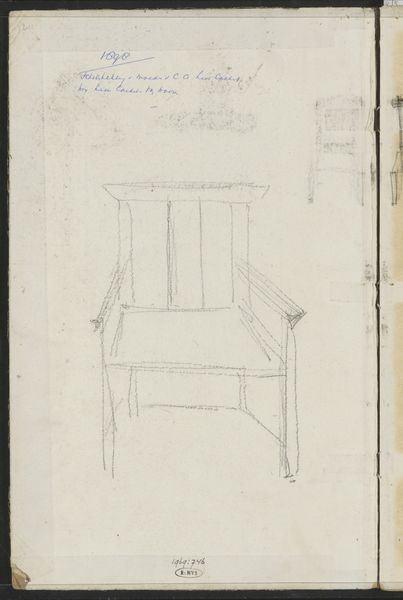
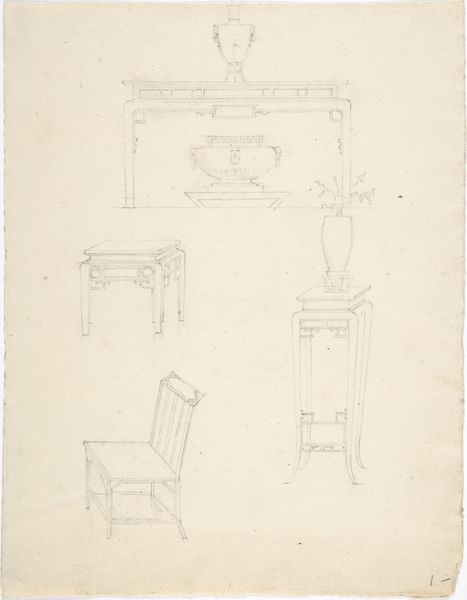
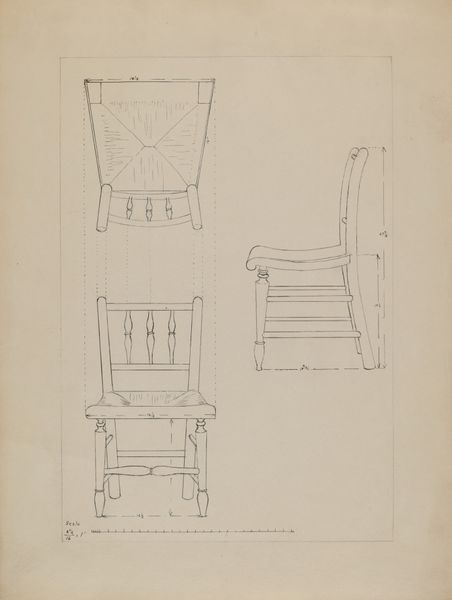
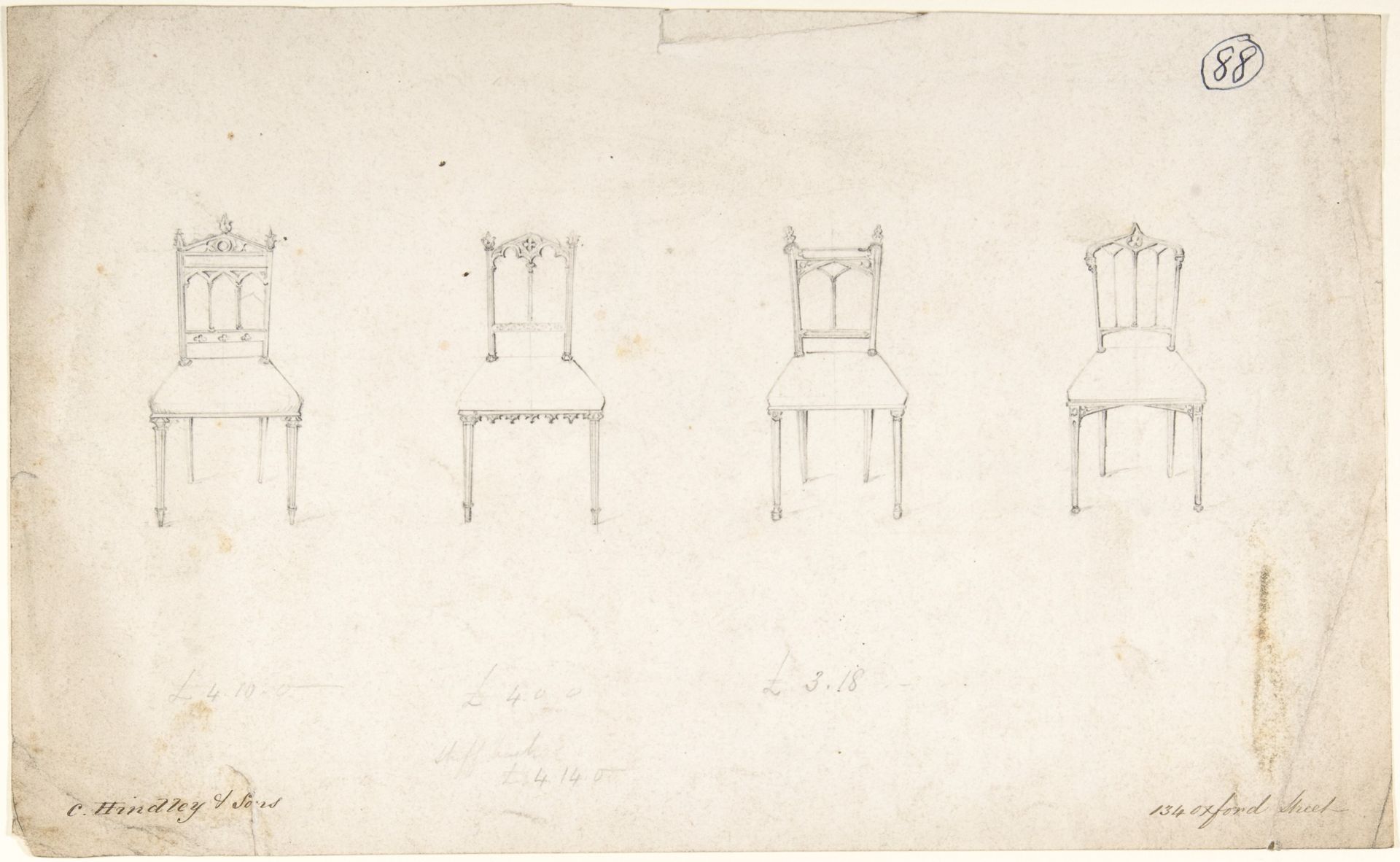
This is a pencil on paper artwork titled, "Designs for Four Chairs," by Charles Hindley and Sons. The composition is structured around the repetition of a single motif: a chair. Each chair is rendered with precision, emphasizing its geometric form. Notice how the fine pencil lines create not just shape but also texture, implying the materials from which these chairs might be constructed. The chairs exist in a shallow depth of field, flattening them and drawing attention to the lines. The chairs evoke a sense of order and design, reflecting the 19th-century interest in functionality. The semiotic play here relies on the cultural understanding of chairs as functional objects, yet these designs elevate them to aesthetic forms. The chairs suggest a challenge to fixed meanings by presenting common objects as subjects of artistic exploration. Ultimately, this work functions as more than just a design proposal, it asks us to consider how everyday objects can become art when their structure and form are celebrated.
Designs for Four Chairs
1841 - 1884

Charles Hindley and Sons
1841 - 1917
The Metropolitan Museum of Art
Metropolitan Museum of Art, New York, NYArtwork details
- Medium
- drawing, print, paper, pencil, graphite
- Dimensions
- sheet: 7 15/16 x 12 15/16 in. (20.2 x 32.8 cm)
- Location
- Metropolitan Museum of Art, New York, NY
- Copyright
- Public Domain
Tags
Comments
Share your thoughts
About this artwork
This is a pencil on paper artwork titled, "Designs for Four Chairs," by Charles Hindley and Sons. The composition is structured around the repetition of a single motif: a chair. Each chair is rendered with precision, emphasizing its geometric form. Notice how the fine pencil lines create not just shape but also texture, implying the materials from which these chairs might be constructed. The chairs exist in a shallow depth of field, flattening them and drawing attention to the lines. The chairs evoke a sense of order and design, reflecting the 19th-century interest in functionality. The semiotic play here relies on the cultural understanding of chairs as functional objects, yet these designs elevate them to aesthetic forms. The chairs suggest a challenge to fixed meanings by presenting common objects as subjects of artistic exploration. Ultimately, this work functions as more than just a design proposal, it asks us to consider how everyday objects can become art when their structure and form are celebrated.
Comments
Share your thoughts