About this artwork
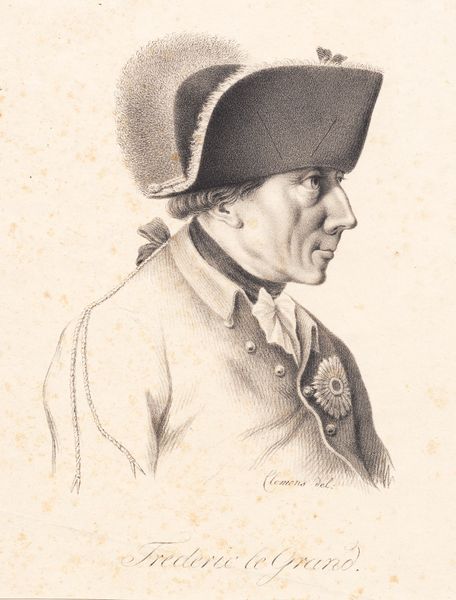
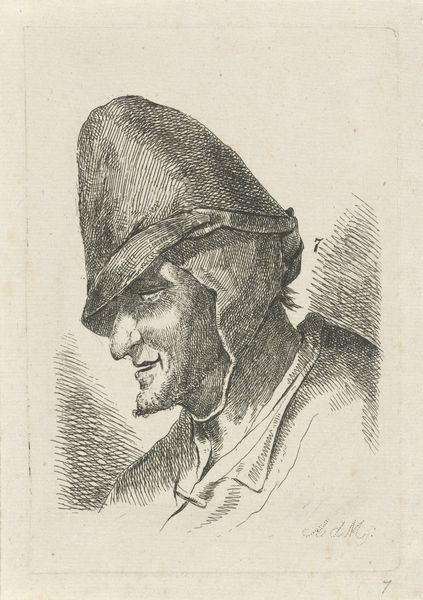
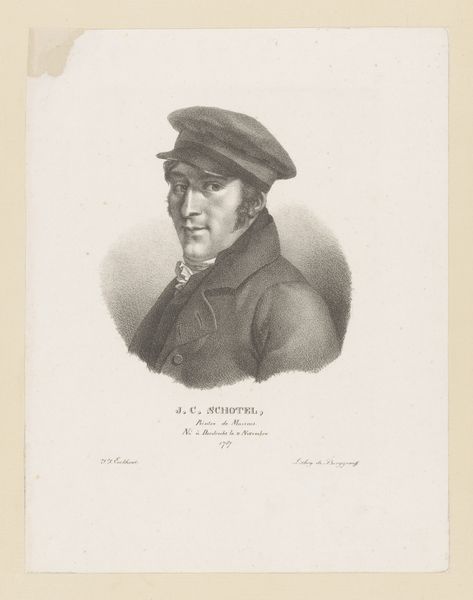
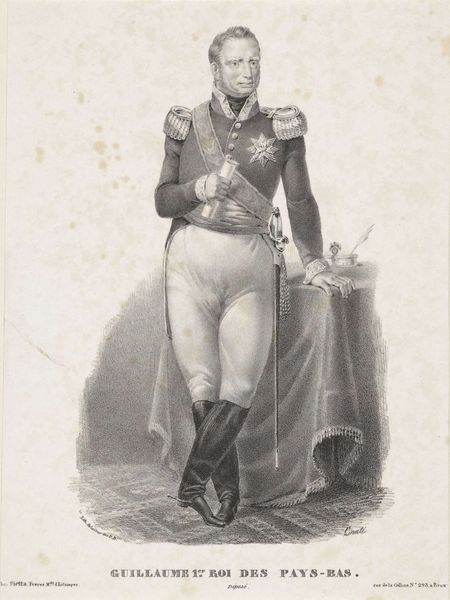
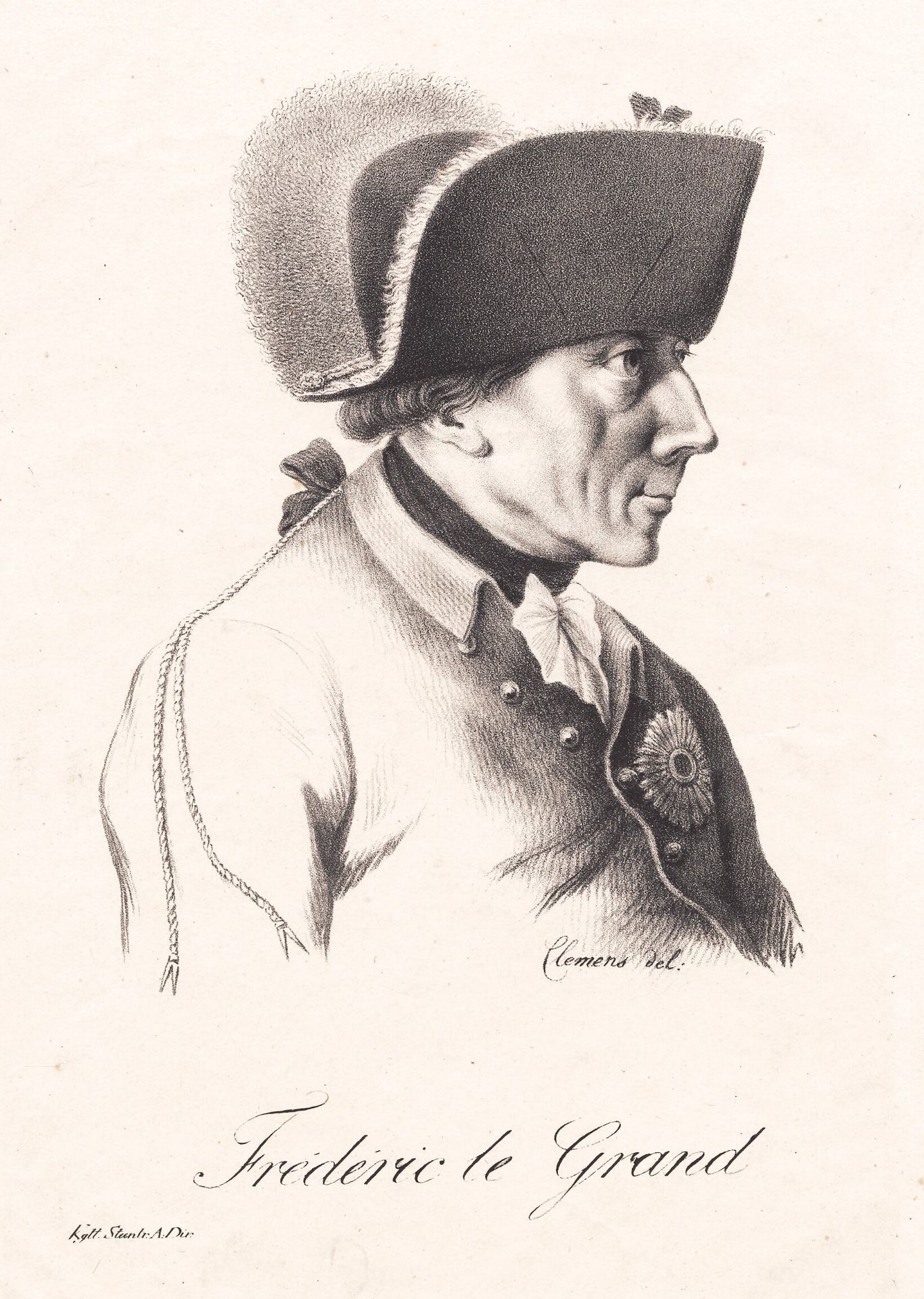
J.F. Clemens made this print of Frederik the Great using engraving techniques. Note how the sharp, precise lines create a sense of detail and formality, typical of official portraiture. Prints like this one played a crucial role in shaping public perceptions of leaders during the 18th and 19th centuries in Europe. Frederik, who ruled Prussia, was seen as an enlightened absolutist. This image presents him in profile, emphasizing his strong jawline and determined gaze. The high hat and military uniform, are symbols of power and authority. We see the way that institutions like royal courts used images to cultivate a leader’s image. This form of visual communication helped to legitimize their rule. The image of Frederik was carefully controlled and distributed to project a certain idea of leadership, one associated with reason, military strength, and state building. To fully understand this image, we might examine the printmaking industry of the time, the circulation of such portraits, and the political context in which Frederik operated.
Frederik den Store
1748 - 1831


Artwork details
- Medium
- lithograph, print
- Dimensions
- 376 mm (height) x 276 mm (width) (bladmaal)
- Location
- SMK - Statens Museum for Kunst
Tags
Comments
Share your thoughts
About this artwork
J.F. Clemens made this print of Frederik the Great using engraving techniques. Note how the sharp, precise lines create a sense of detail and formality, typical of official portraiture. Prints like this one played a crucial role in shaping public perceptions of leaders during the 18th and 19th centuries in Europe. Frederik, who ruled Prussia, was seen as an enlightened absolutist. This image presents him in profile, emphasizing his strong jawline and determined gaze. The high hat and military uniform, are symbols of power and authority. We see the way that institutions like royal courts used images to cultivate a leader’s image. This form of visual communication helped to legitimize their rule. The image of Frederik was carefully controlled and distributed to project a certain idea of leadership, one associated with reason, military strength, and state building. To fully understand this image, we might examine the printmaking industry of the time, the circulation of such portraits, and the political context in which Frederik operated.
Comments
Share your thoughts