1913
Beginselen van het schetsen

Ôta Saburô
1884 - 1969Location
RijksmuseumListen to curator's interpretation
Curatorial notes
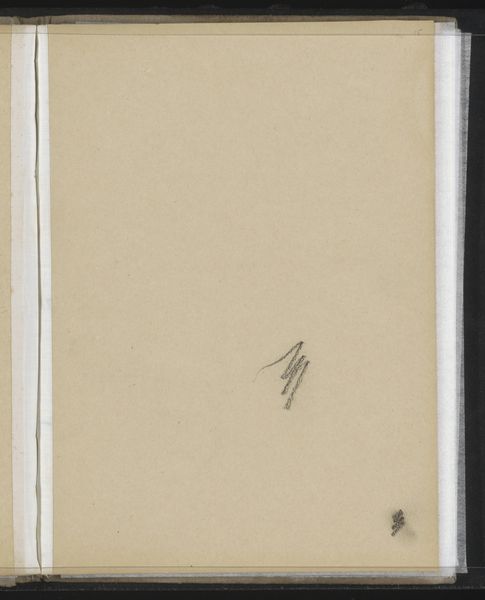
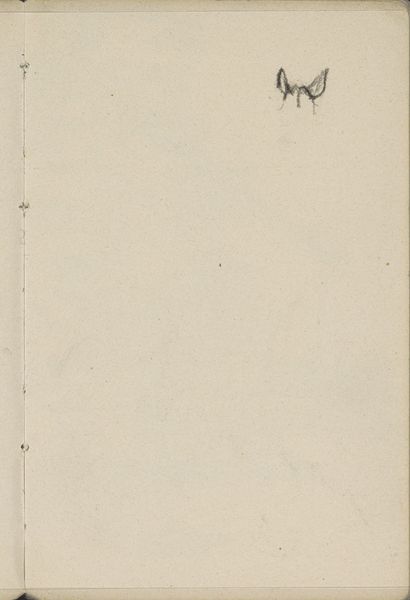
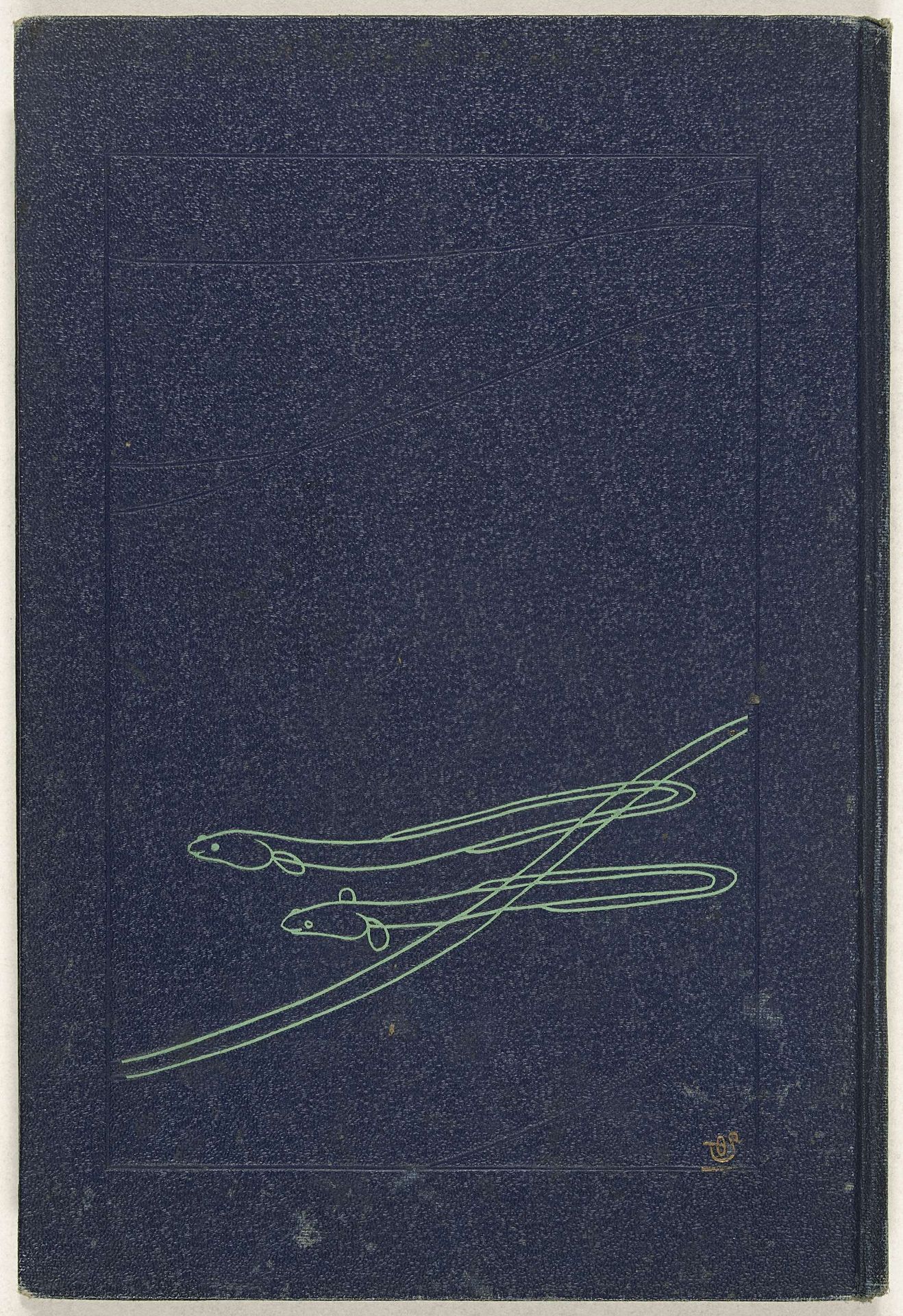
Curator: Ôta Saburô's "Beginselen van het schetsen," dating back to 1913 and held right here at the Rijksmuseum. What are your initial thoughts? Editor: Ethereal, almost otherworldly. Those elongated figures against the deep blue...it’s like a dream just beneath the surface of reality. Are those eels? Curator: Indeed, depicted in elegant, minimalist strokes of what appears to be blue ink and possibly colored pencil, atop paper. It's titled "Principles of Sketching" and presents a paradox of practiced spontaneity. Editor: And immediately, I'm drawn to the "sketching" aspect. The labour behind creating what looks so simple is key. How many iterations, how many discarded versions lie behind these final lines? It's also compelling that it’s printed – undermining its sketch-like status! Curator: Precisely! And there's a certain humility embedded. Saburô shares not grand pronouncements, but these foundational elements. The eels, for instance – are they a comment on flow, adaptability? Editor: It strikes me that depicting aquatic life points directly to the flow of materials - ink, paper, water perhaps used in production of the pigment...And the paper, humble material, yet utterly essential for art, knowledge dissemination, bureaucratic function. Where was the paper sourced, by whom and under what conditions was it made? The materiality grounds these floating, fantastic figures in very real world processes. Curator: A valid observation! And it pulls the gaze to the background—a kind of void, a reminder of the blank canvas that waits for every creator. He offers not a 'how-to' guide, but a poem about seeing. Editor: I find myself lingering on that blue – almost a textile quality, a deep, rich indigo, reminiscent of workers' clothes…a direct connection, via pigment, to the means of its own creation and those often unacknowledged individuals who produce those primary materials. Curator: Absolutely, bringing a humanistic consideration to our contemplation of it. Perhaps "Principles of Sketching" extends beyond art – it suggests a blueprint for conscious observation, an ethic of careful rendering, wouldn't you say? Editor: I'd say we've certainly surfaced much more than initially meets the eye—a great reminder of art’s ability to bridge dreamy reflections with earthly practices. Curator: Agreed, a true convergence that Ôta Saburô sparks in our thinking.