c. 1646 - 1647
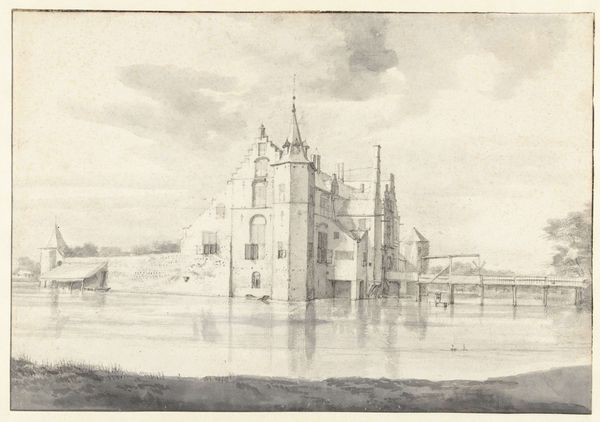
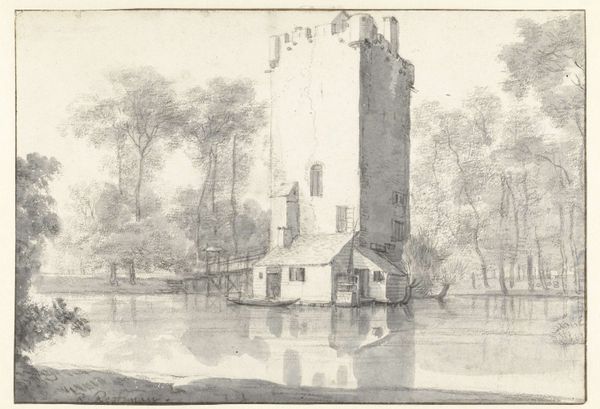
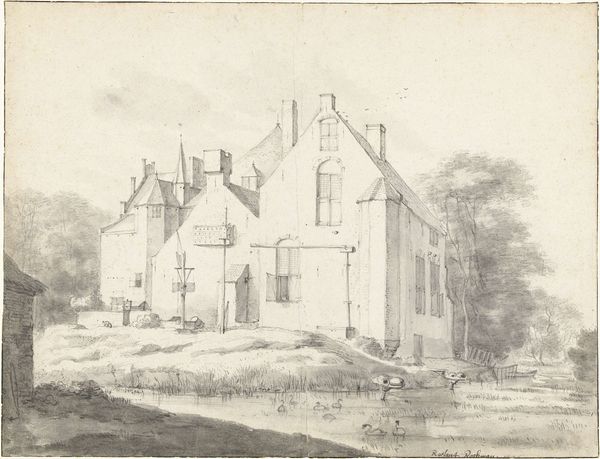
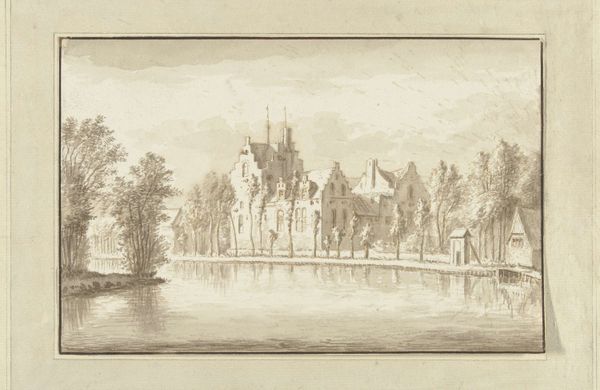
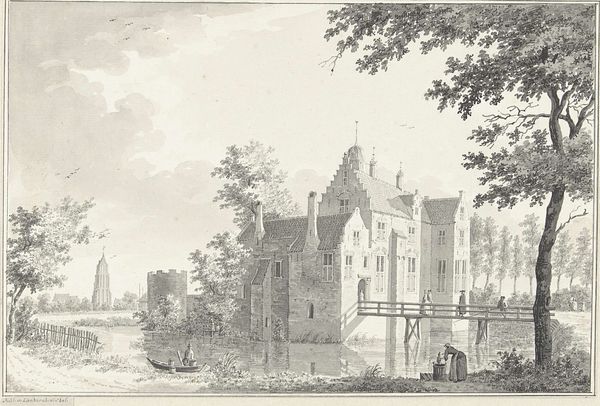
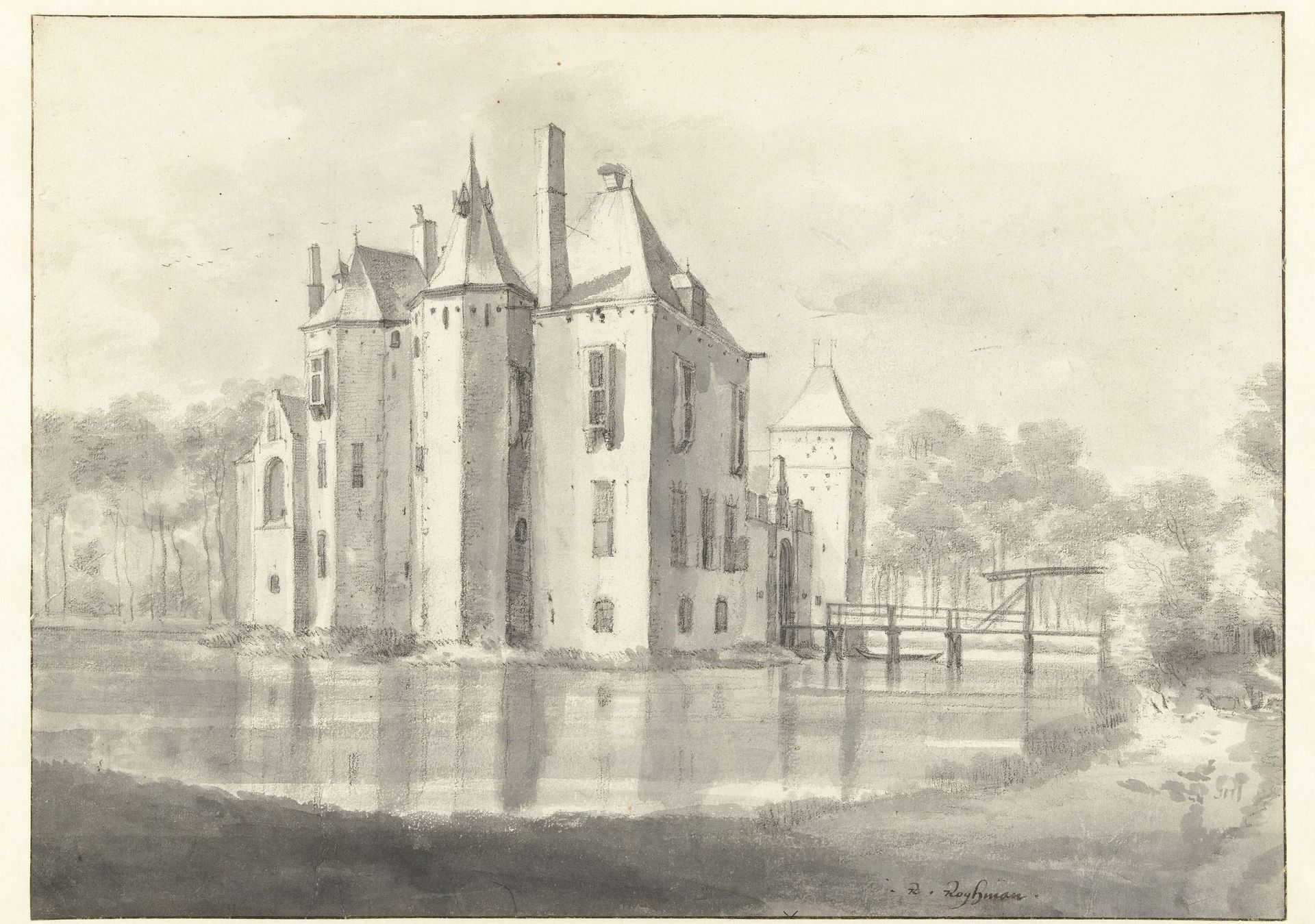
View of Huis Moersbergen, Seen from the North-east

Roelant Roghman
1627 - 1692Location
RijksmuseumListen to curator's interpretation
Curatorial notes
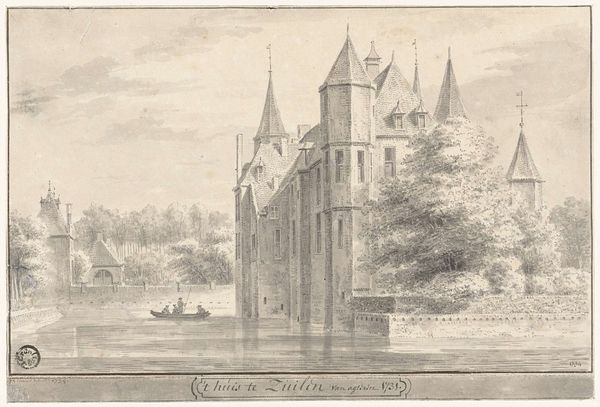
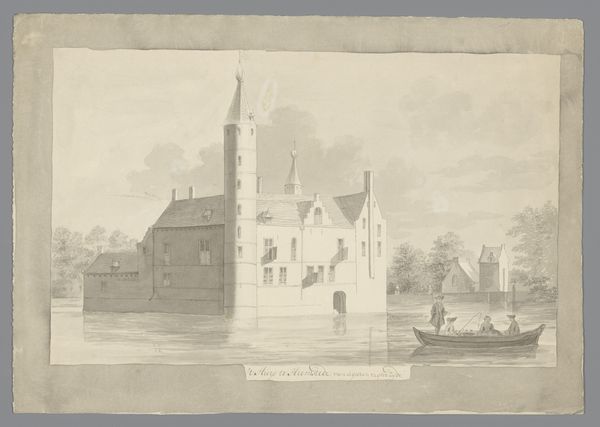
Roelant Roghman produced this wash drawing of Huis Moersbergen in the Netherlands sometime in the mid-17th century. At first glance, this seems a straightforward depiction of a country estate, complete with its surrounding moat and drawbridge. Yet, it's crucial to ask: why this subject, and why now? The Dutch Golden Age was marked by a rising merchant class eager to display their wealth and status. Country estates became potent symbols of social mobility. Artists like Roghman catered to this market, producing images that not only documented these properties but also reinforced the social hierarchies they represented. Moreover, the institutional framework of art patronage played a key role. Wealthy families commissioned artists, influencing the kind of art produced and consumed. To fully understand this drawing, we need to dig into the history of Huis Moersbergen, its owners, and the social dynamics of the time. Auction catalogs and estate records can reveal much about the culture that shaped the art.