About this artwork
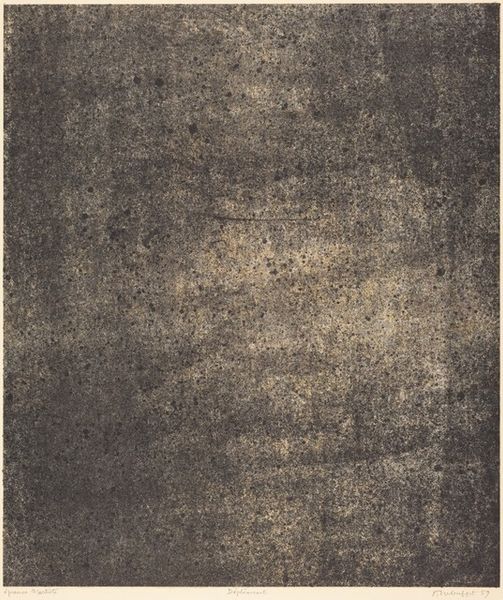
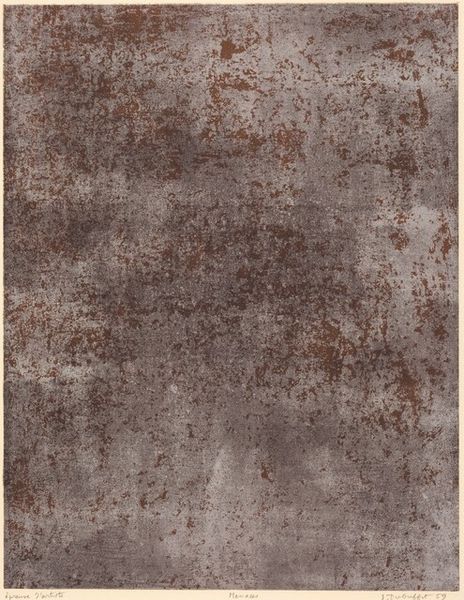
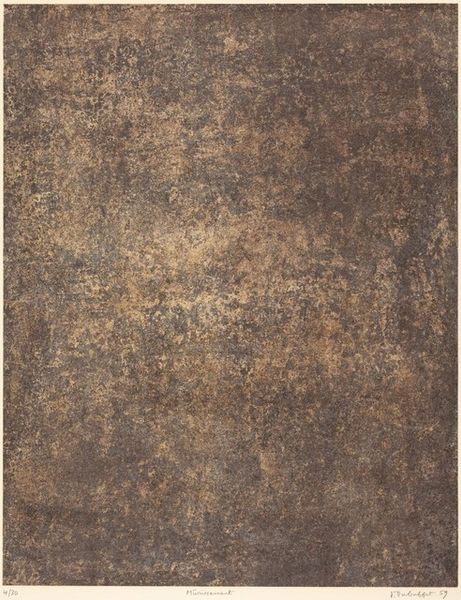
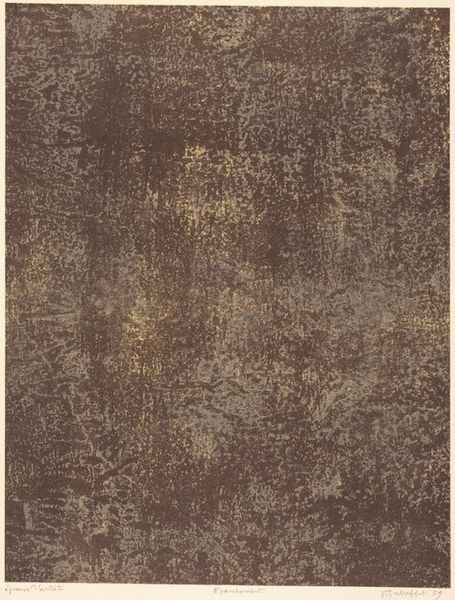
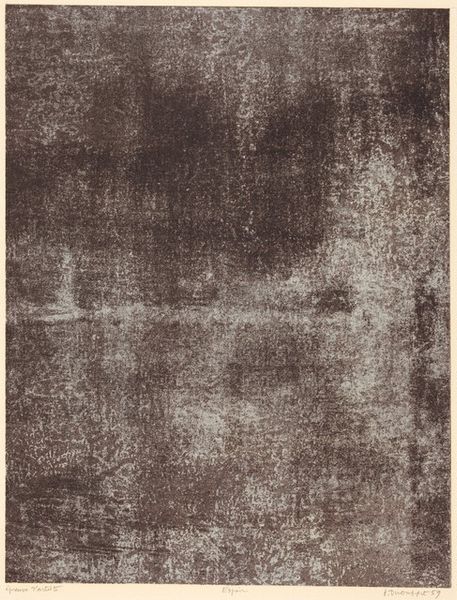
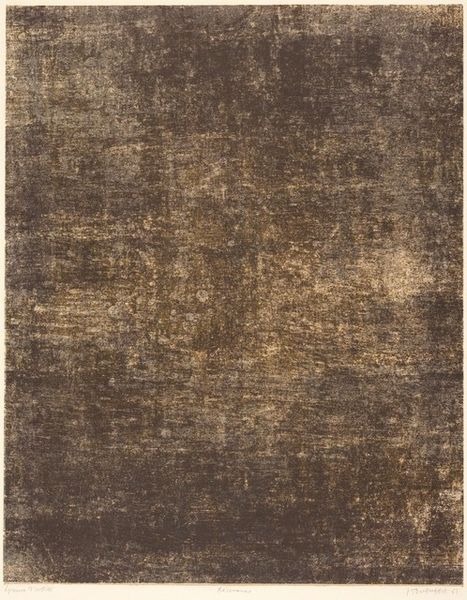
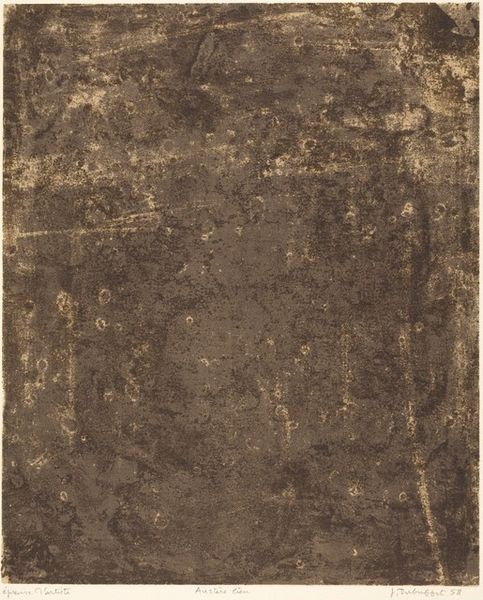
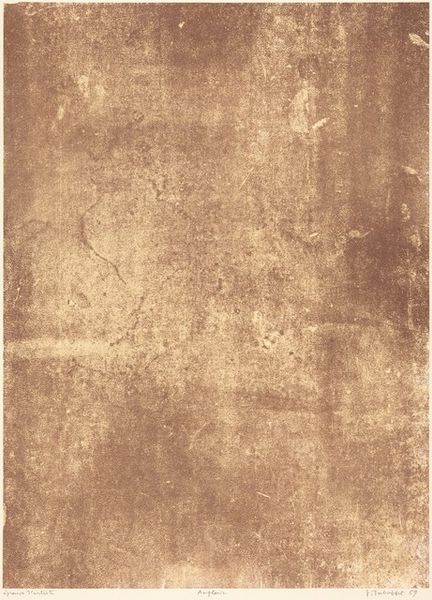
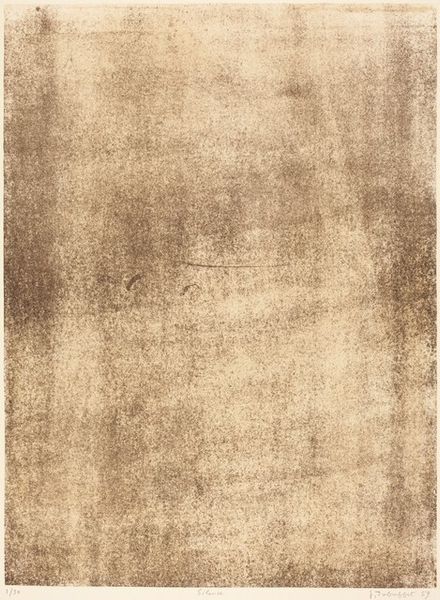
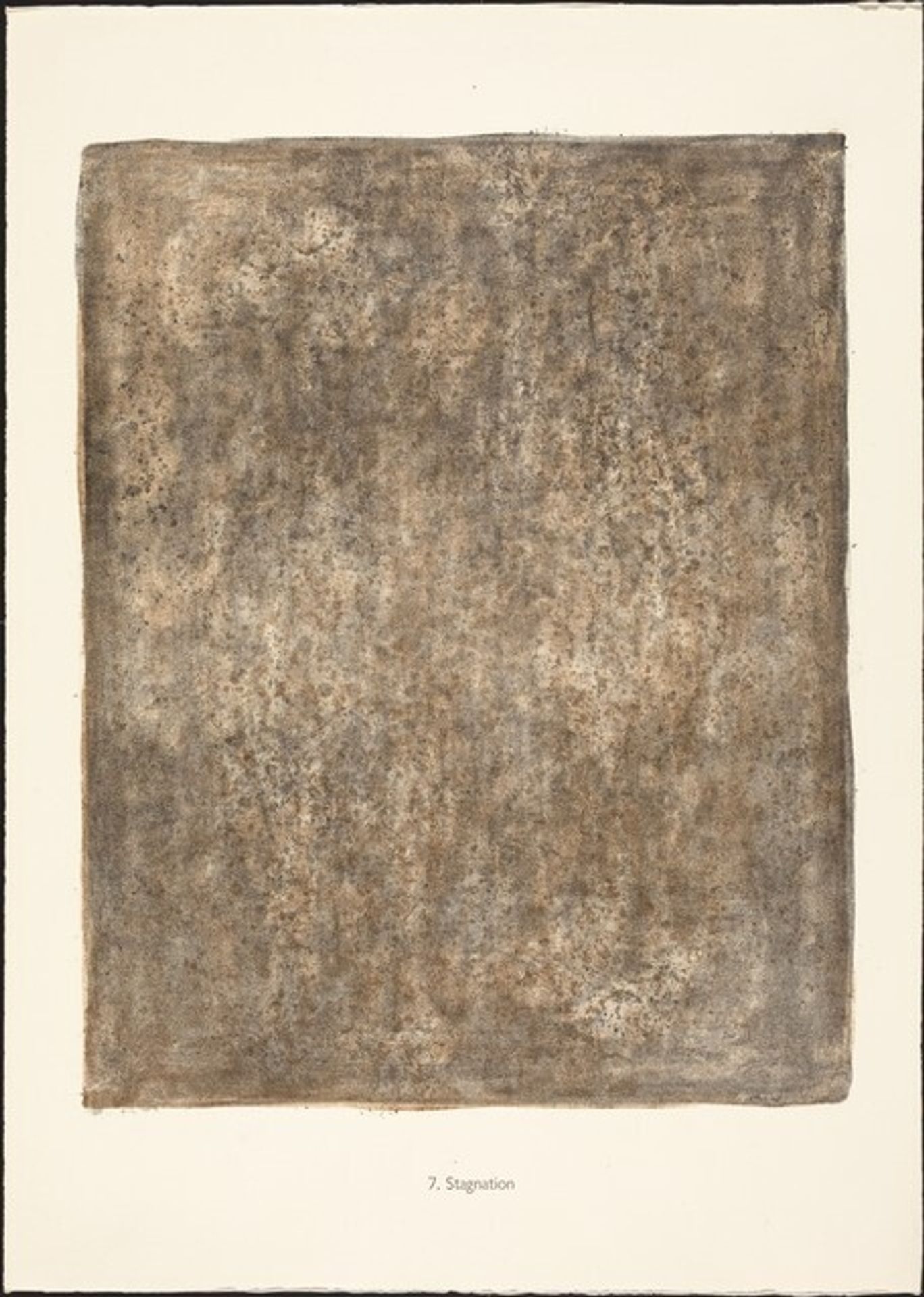
Jean Dubuffet made this piece called ‘Stagnation’ with a real feel for materials, not worrying about being too precious with them. It's like looking at a murky pond, isn't it? The surface is built up with layers, maybe washes of thin paint or ink, creating a kind of scumbled texture, like sediment. Dubuffet wasn't trying to hide the process, he was all about it. That one darker patch up near the top - it’s kind of ambiguous, like a stain or a shadow, but it’s also part of the overall composition. The way the color and texture is distributed across the surface, giving you a sense of depth and density, even though it’s a flat plane. It's pretty weird, but also kind of beautiful, you know? Dubuffet was really into art brut, or "raw art," and I see a lot of that here. It reminds me a little bit of Antoni Tàpies, actually, in the way he used humble materials to create these really evocative surfaces. It’s a reminder that art is always an ongoing conversation, and there’s always room for new voices and new ways of seeing.


Artwork details
- Medium
- Copyright
- National Gallery of Art: CC0 1.0
Tags
art-informel
matter-painting
abstraction
Comments
No comments
About this artwork
Jean Dubuffet made this piece called ‘Stagnation’ with a real feel for materials, not worrying about being too precious with them. It's like looking at a murky pond, isn't it? The surface is built up with layers, maybe washes of thin paint or ink, creating a kind of scumbled texture, like sediment. Dubuffet wasn't trying to hide the process, he was all about it. That one darker patch up near the top - it’s kind of ambiguous, like a stain or a shadow, but it’s also part of the overall composition. The way the color and texture is distributed across the surface, giving you a sense of depth and density, even though it’s a flat plane. It's pretty weird, but also kind of beautiful, you know? Dubuffet was really into art brut, or "raw art," and I see a lot of that here. It reminds me a little bit of Antoni Tàpies, actually, in the way he used humble materials to create these really evocative surfaces. It’s a reminder that art is always an ongoing conversation, and there’s always room for new voices and new ways of seeing.
Comments
No comments