About this artwork
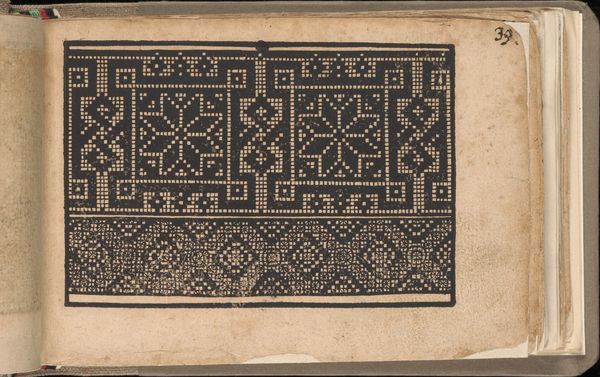
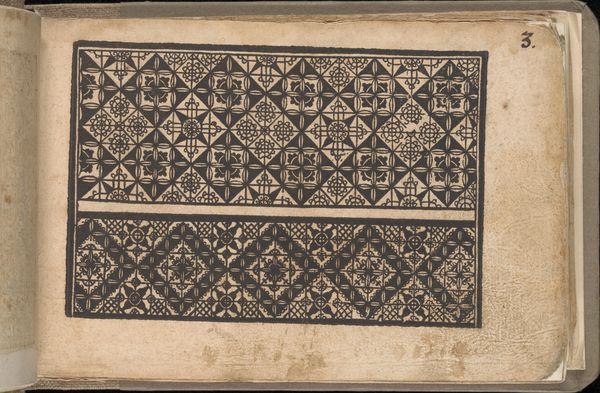
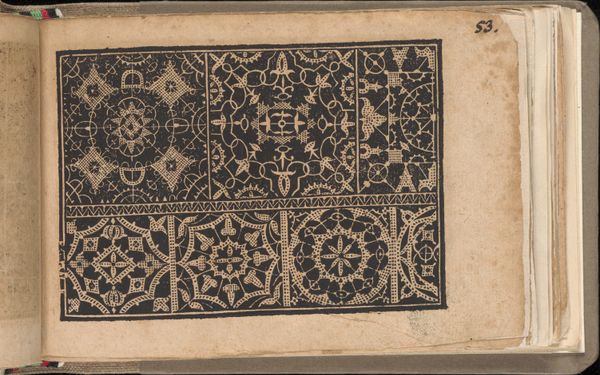
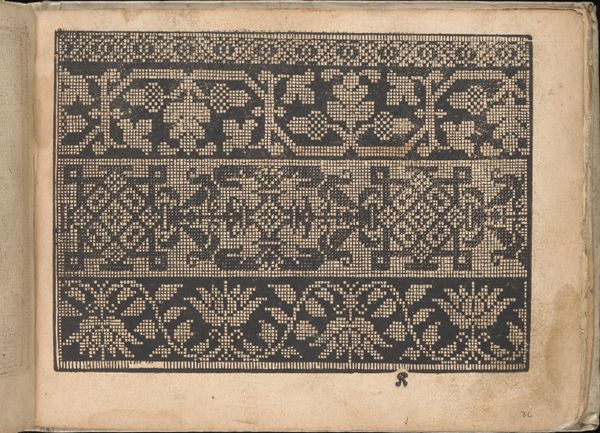
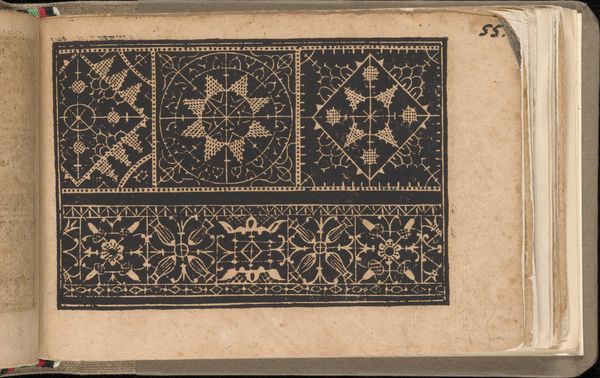
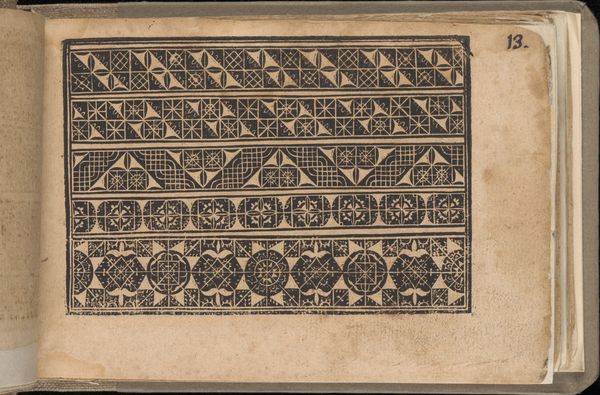
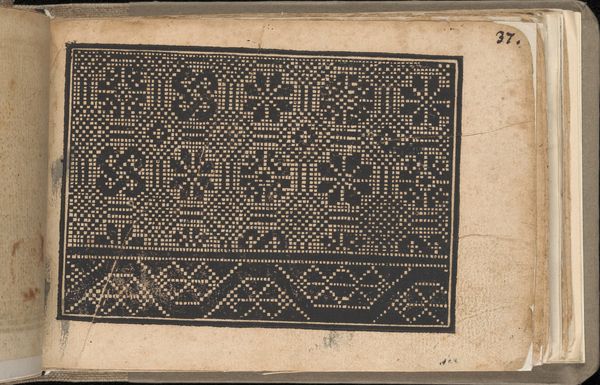
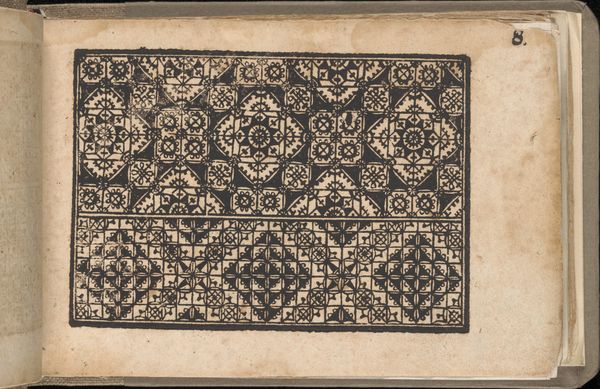
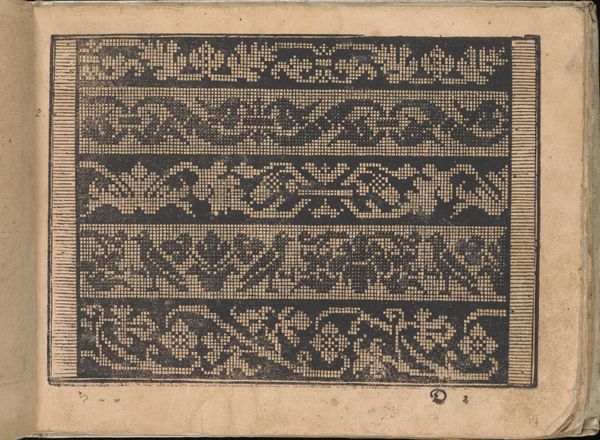
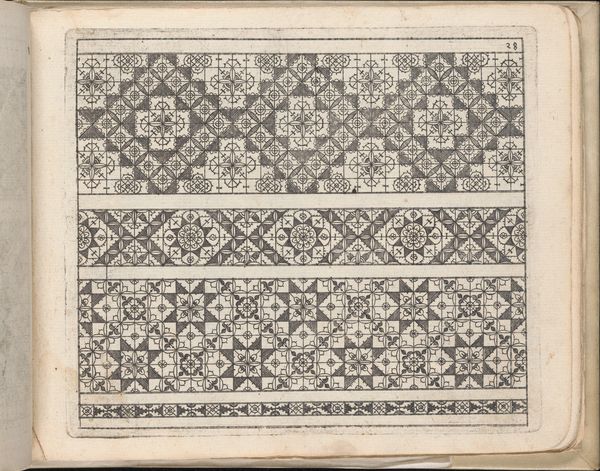
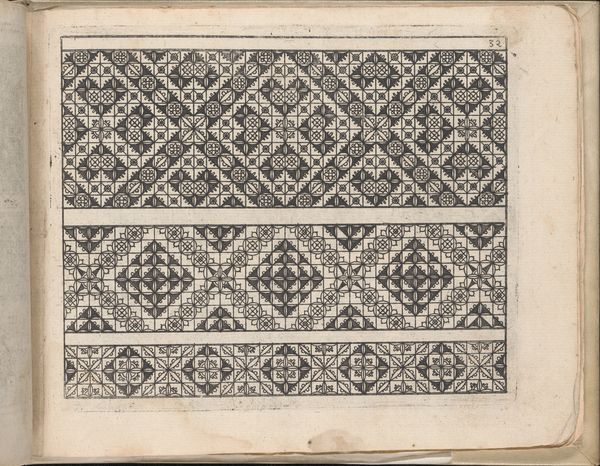
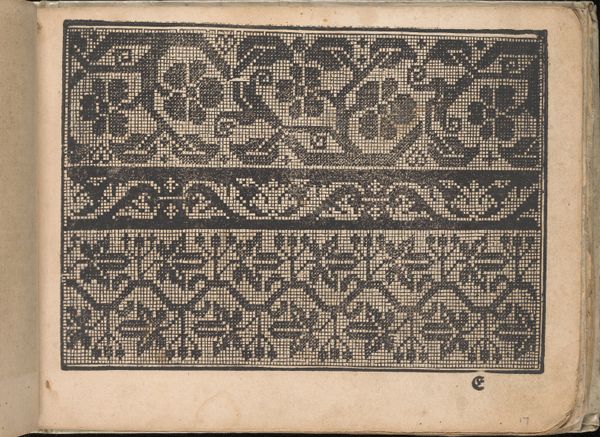
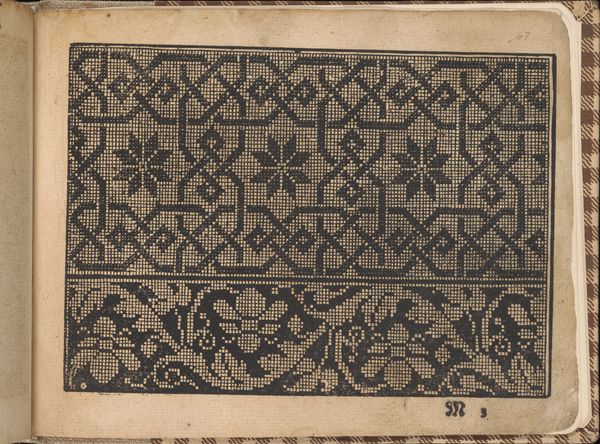
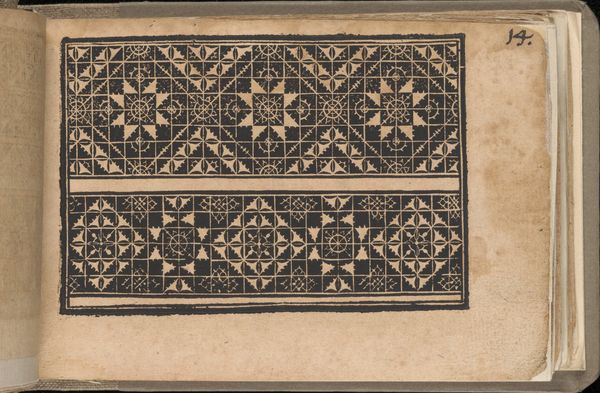
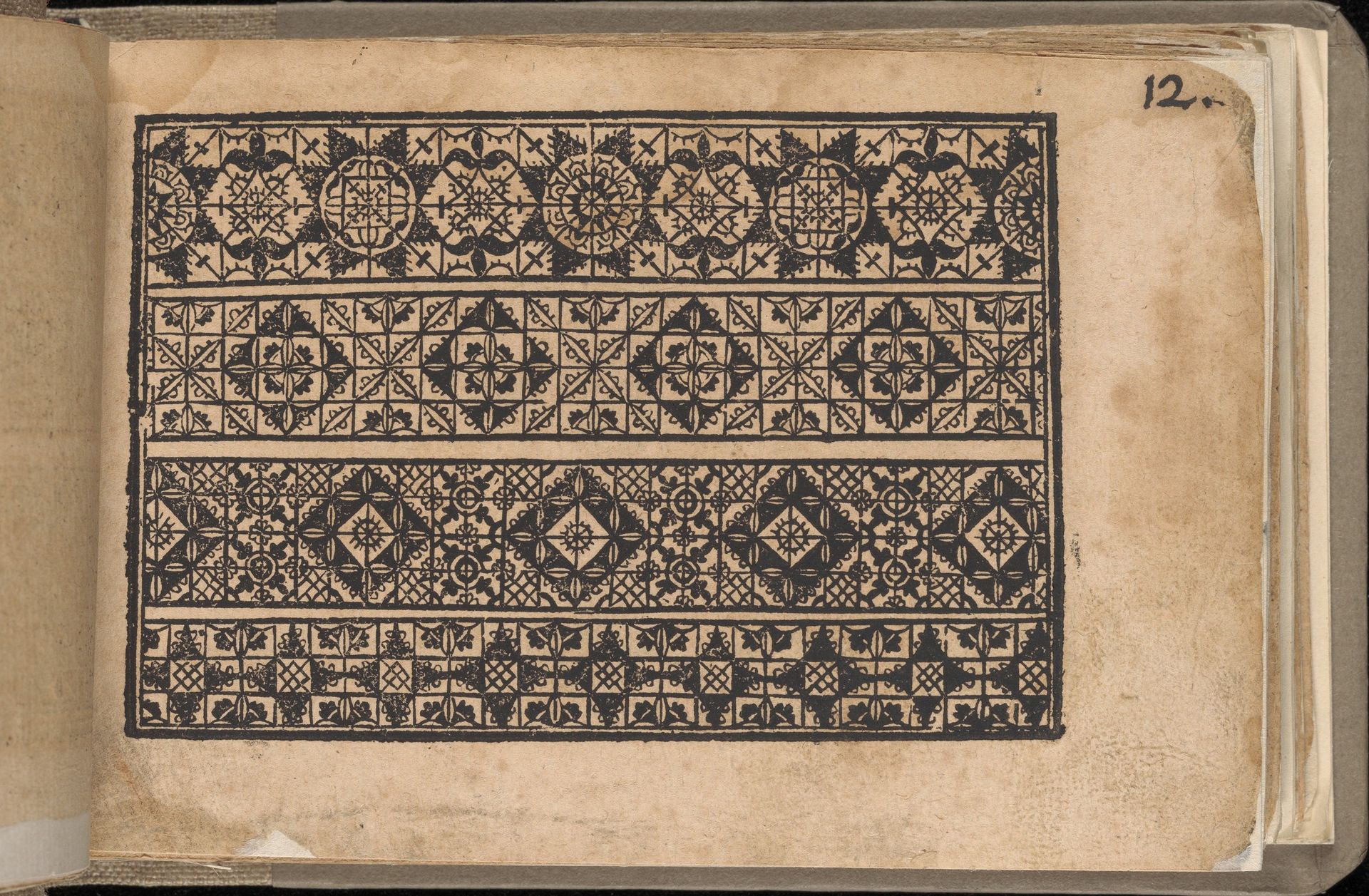
Sigismundus Latomus created this page of designs for needlework in Germany in the early 17th century, using woodcut on paper. Pattern books like this circulated widely, spreading new ideas about fashion and ornament. The designs here show how the natural world was being stylized and geometricized. These books helped standardize visual culture across different regions and social classes. It’s also important to remember that the skilled labor needed to produce needlework patterns was often gendered and classed. Upper-class women would create the final pieces, but they would have been assisted by lower-class artisans. Examining inventories and guild records can reveal more about the social conditions surrounding the production of these images. The existence of pattern books like this also tells us something about the institutional history of art. They played a key role in the transmission of designs and contributed to the development of new visual languages.
Schön newes Modelbuch (Page 12r)
1608

Sigismundus Latomus
1599 - 1632
The Metropolitan Museum of Art
Metropolitan Museum of Art, New York, NYArtwork details
- Medium
- drawing, ornament, print
- Dimensions
- Overall: 4 1/2 x 6 11/16 in. (11.5 x 17 cm)
- Location
- Metropolitan Museum of Art, New York, NY
- Copyright
- Public Domain
Tags
Comments
Share your thoughts
About this artwork
Sigismundus Latomus created this page of designs for needlework in Germany in the early 17th century, using woodcut on paper. Pattern books like this circulated widely, spreading new ideas about fashion and ornament. The designs here show how the natural world was being stylized and geometricized. These books helped standardize visual culture across different regions and social classes. It’s also important to remember that the skilled labor needed to produce needlework patterns was often gendered and classed. Upper-class women would create the final pieces, but they would have been assisted by lower-class artisans. Examining inventories and guild records can reveal more about the social conditions surrounding the production of these images. The existence of pattern books like this also tells us something about the institutional history of art. They played a key role in the transmission of designs and contributed to the development of new visual languages.
Comments
Share your thoughts