1913
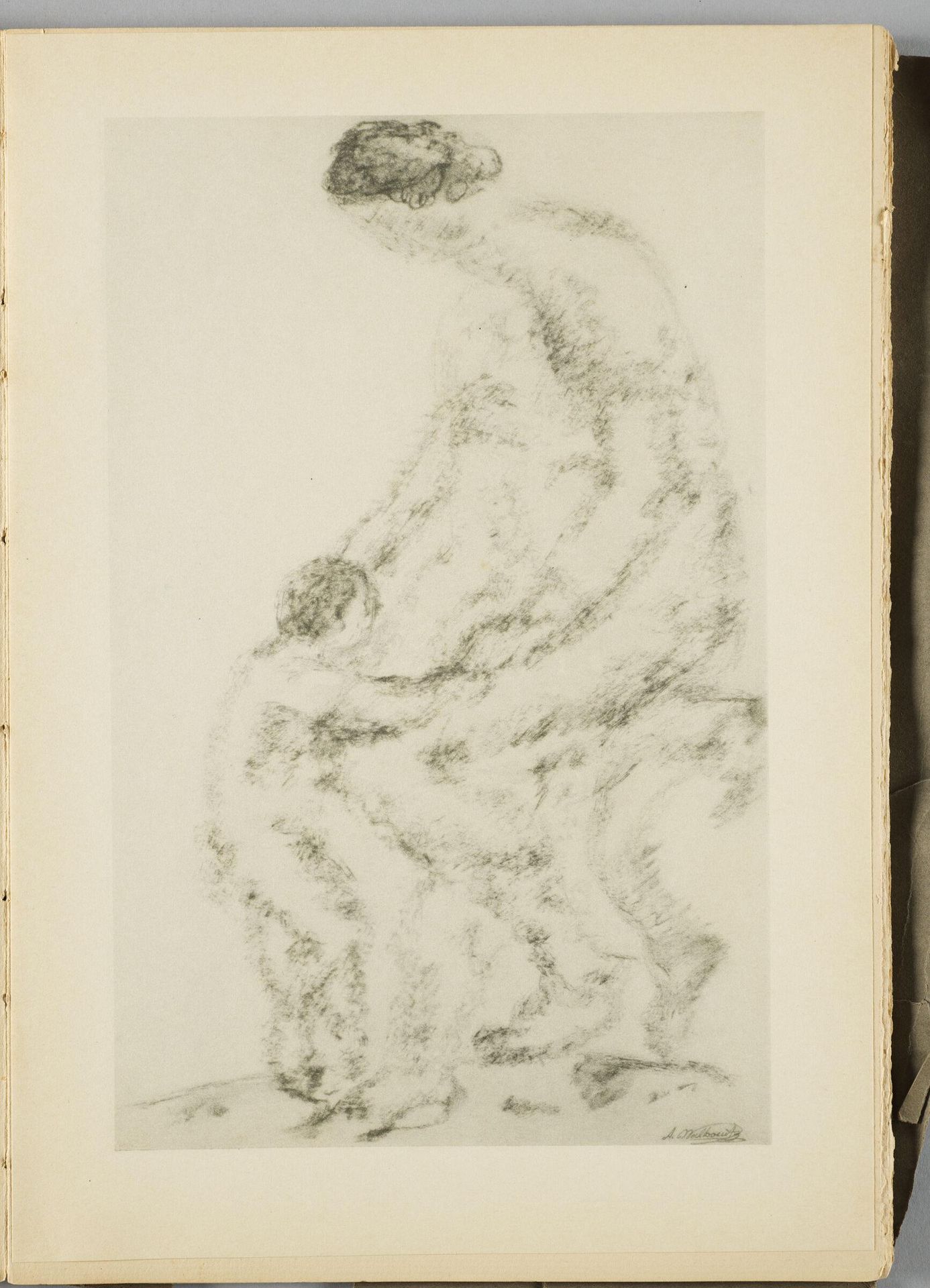
Mother and Child


Listen to curator's interpretation
Curatorial notes
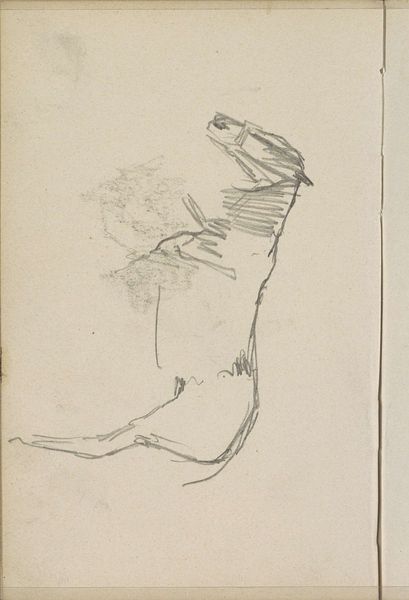
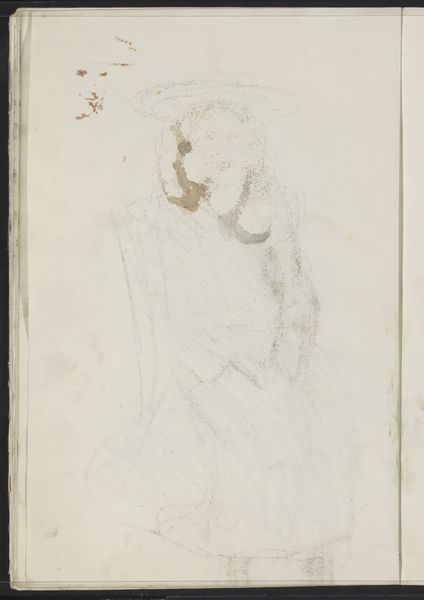
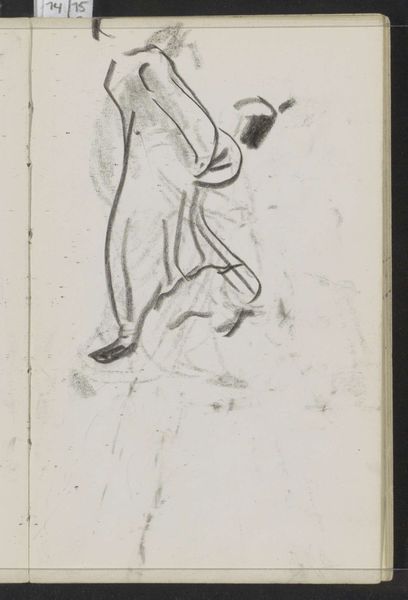
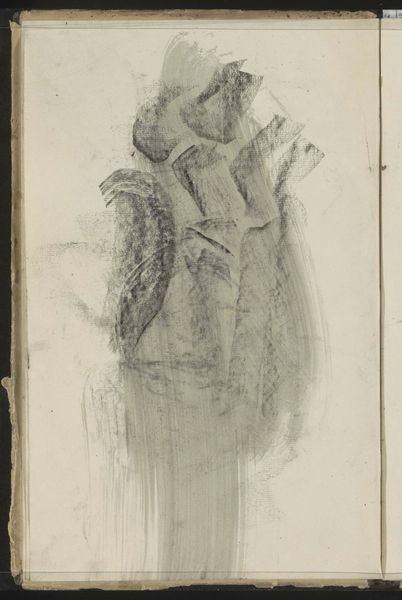
Curator: This is Abraham Walkowitz’s "Mother and Child," currently held at the Harvard Art Museums. It captures a tender moment, wouldn't you agree? Editor: The sketchy charcoal rendering almost obscures the figures; they appear both vulnerable and monumental. I wonder about the process. Curator: Walkowitz, born in 1880, was deeply engaged with the Ashcan School, which favored gritty urban scenes and the lives of ordinary people. This work reflects a softer, intimate side. Editor: The rapid strokes belie the care put into the making. Charcoal allowed a directness – a social realism in its very application – yet, it elevates a universal subject. Curator: It's interesting how the absence of precise detail invites us to project our own understanding of motherhood onto the image, transcending a specific time or place. Editor: Ultimately, the artwork reveals the artist's hand and his labor. I value how Walkowitz used accessible materials to speak to a deeply human experience. Curator: A testament to the power of simple materials and universal themes in art. Editor: Indeed, it prompts us to consider the artist’s labor, and how it intersects with the labor of motherhood itself.