1887 - 1934
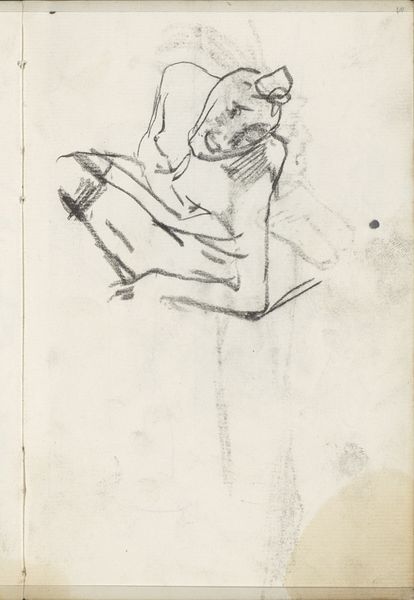
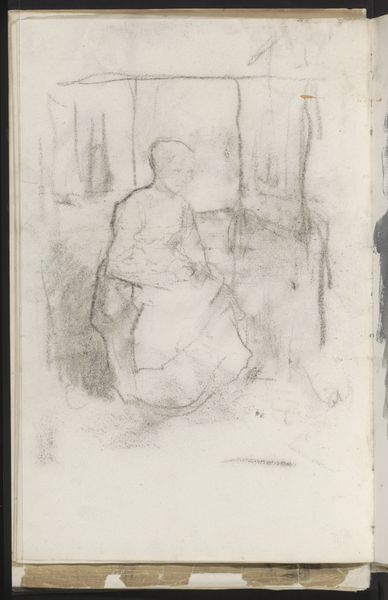
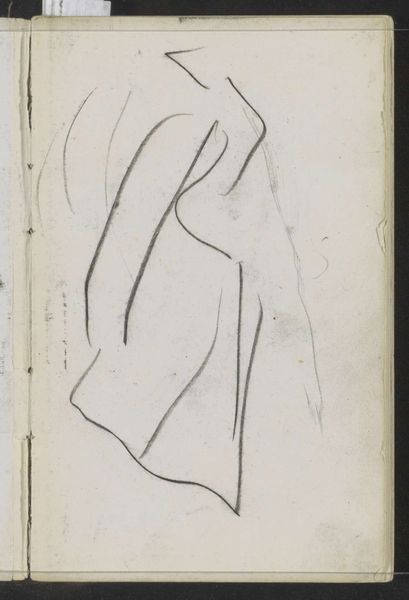
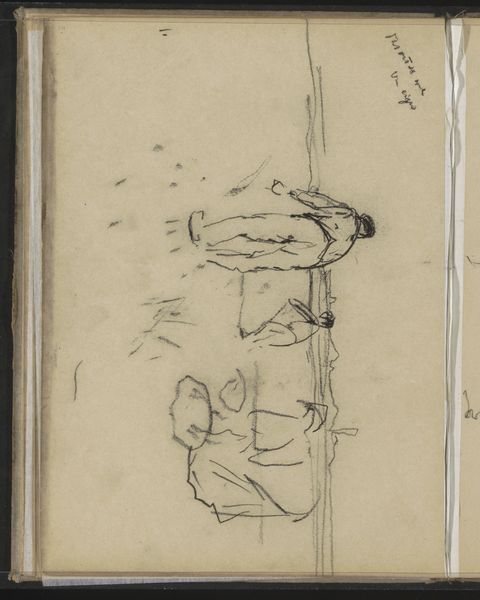
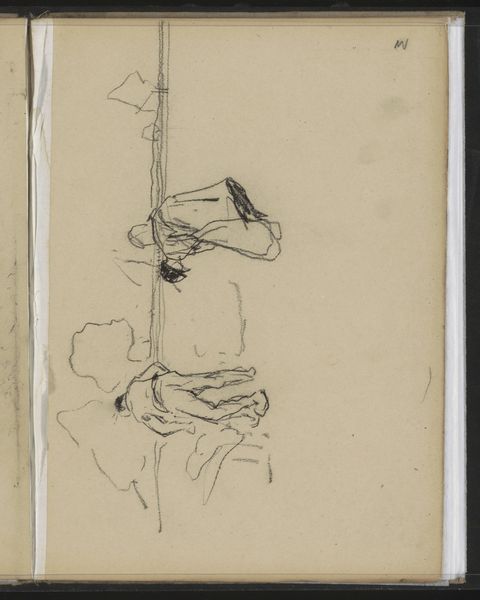
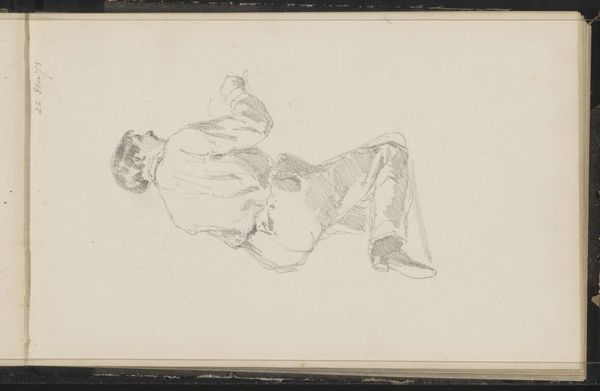
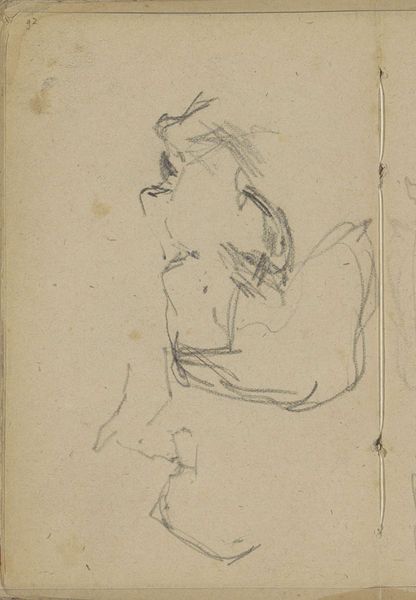
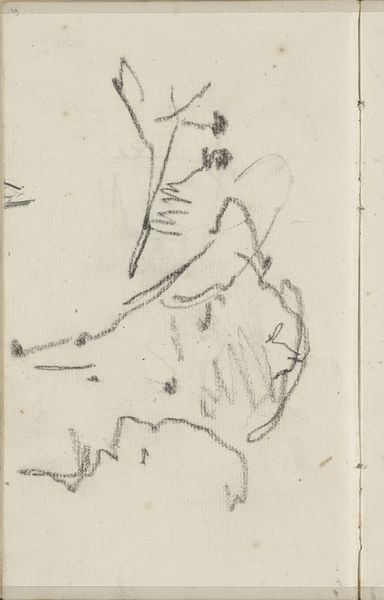
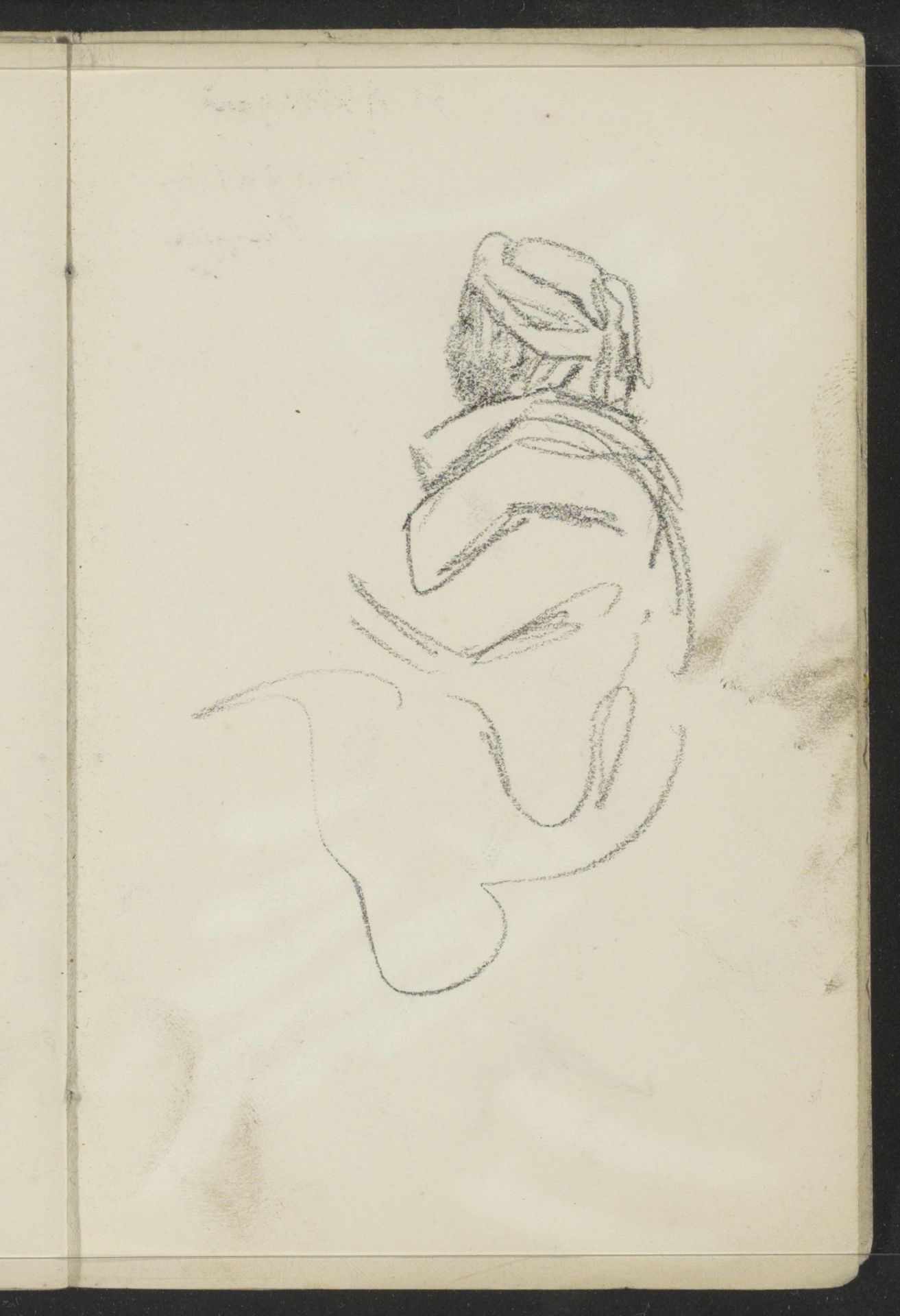
Zittende man in oosterse kledij, in profiel

Isaac Israels
1865 - 1934Location
RijksmuseumListen to curator's interpretation
Curatorial notes
Isaac Israels made this sketch of a seated man in ‘oriental’ dress with charcoal on paper. In the late 19th and early 20th centuries, there was a fashion in European art for portraying people and scenes from North Africa and the Middle East. Israels made several paintings and sketches of people in ‘oriental’ dress. What’s striking is that they are usually presented as types, and the artist doesn’t seem interested in individuality. The exoticizing gaze reduces people to costumes and props. Was Israels simply following a fashion, or did he have a deeper interest in the cultures he depicted? These are the questions that art historians try to answer by looking at the image itself, and by researching the artist’s life and the cultural context in which he worked. By piecing together different sources of information, we can get a richer understanding of what the art meant at the time, and what it means to us today.