Possibly 1750 - 1757
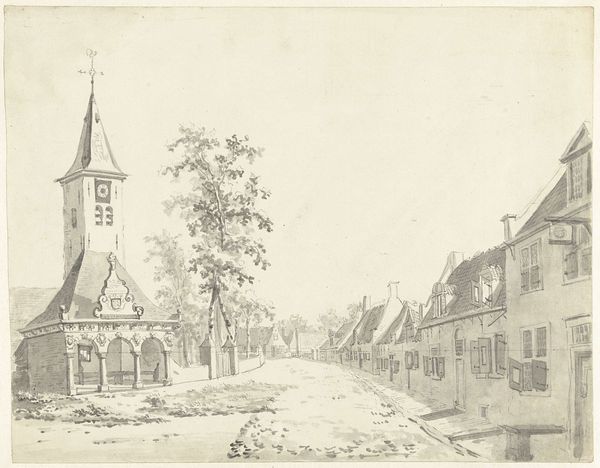
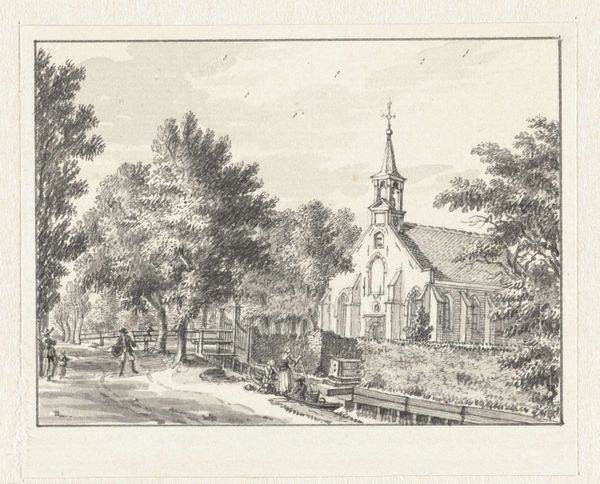
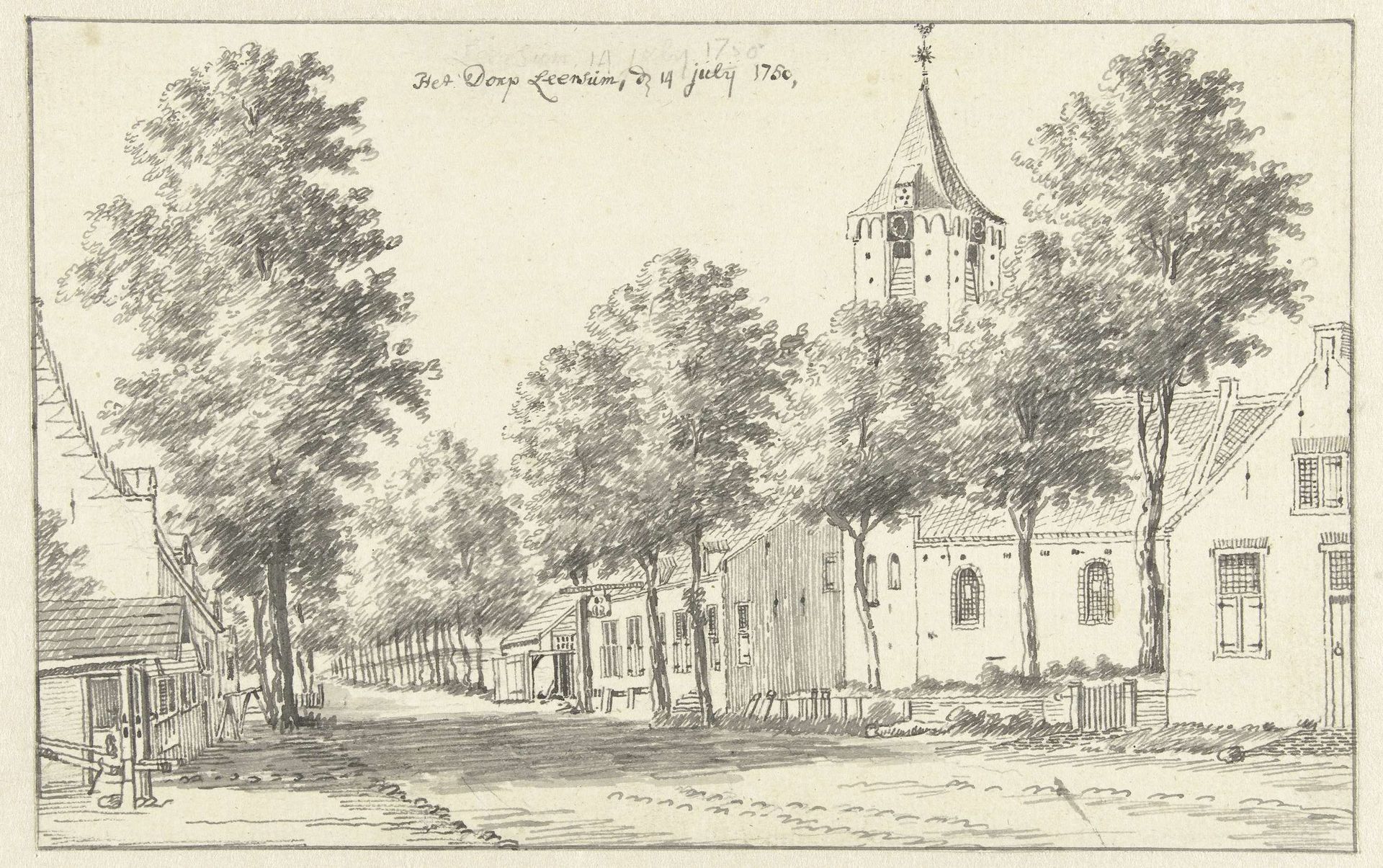
Dorpsstraat te Leersum

Jan de Beijer
1703 - 1780Location
RijksmuseumListen to curator's interpretation
Curatorial notes
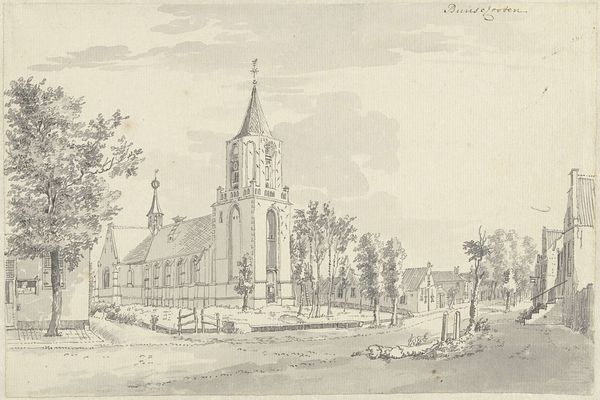
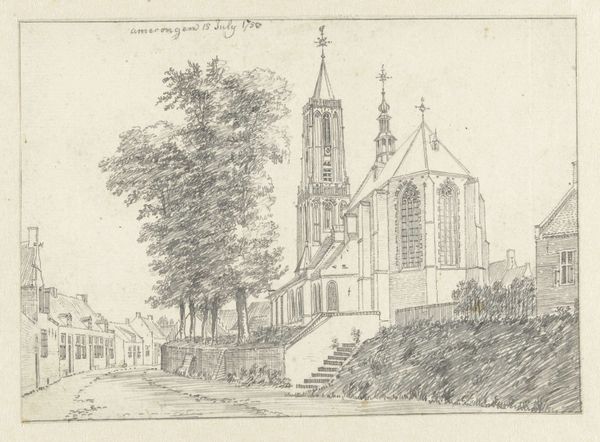
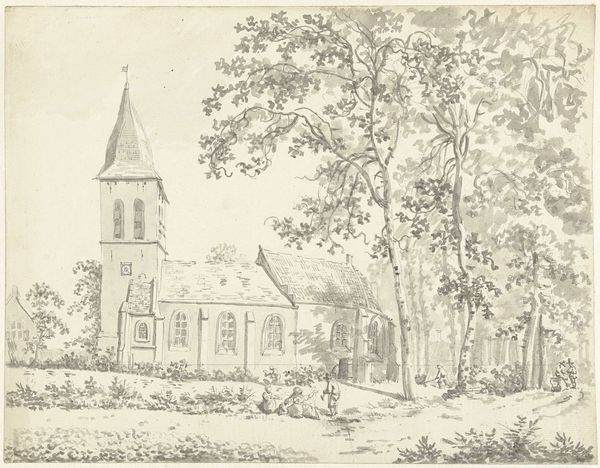
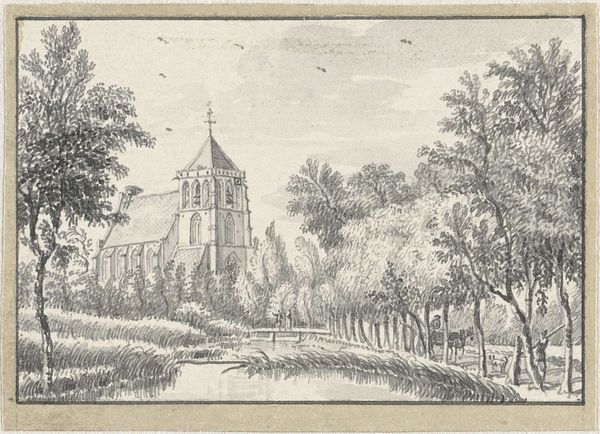
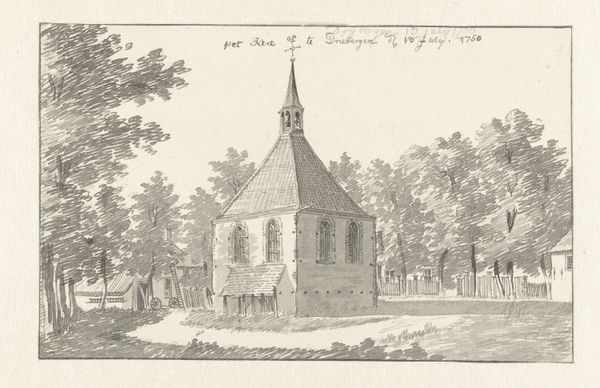
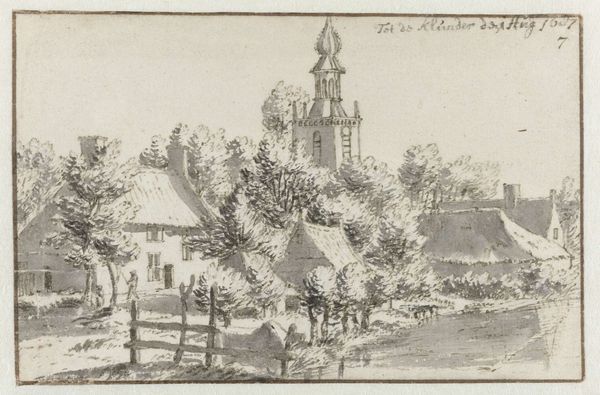
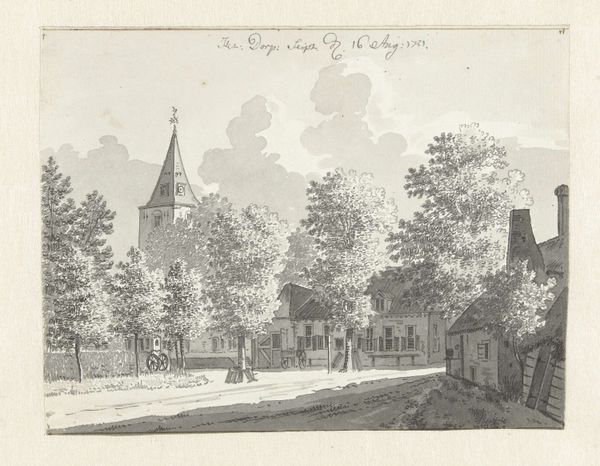
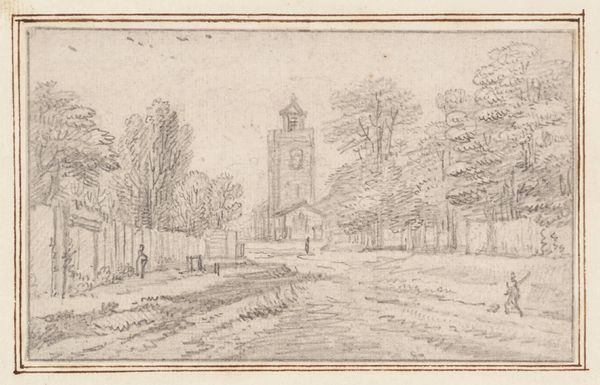
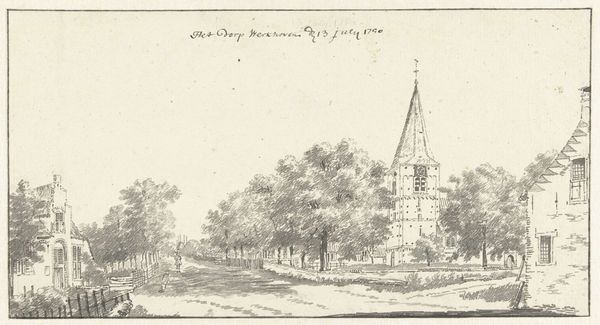
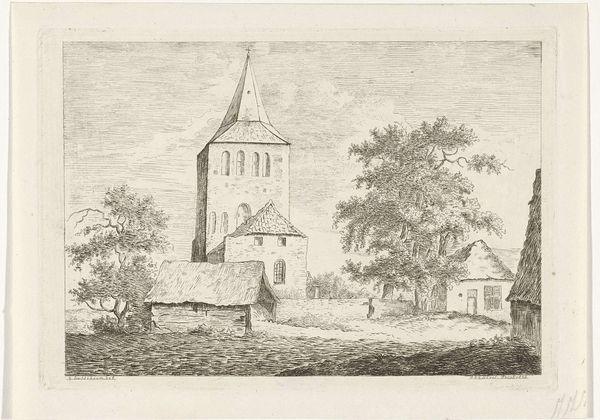
Jan de Beijer made this pen drawing, Dorpsstraat te Leersum, in 1756. De Beijer was part of a tradition of topographical artists, who documented cities, villages, and landscapes. This particular drawing captures the Dutch village of Leersum with a stark realism, typical of the 18th century. It invites us to consider the intersections of community and identity in rural life. The church, a prominent structure, symbolizes the central role of religion in community life. The drawing's emphasis on everyday architecture and the natural environment serves as a reminder of the close relationship between the Dutch and their landscape. While seemingly a simple depiction of a village street, it subtly reflects the values and social structures of the time. It prompts us to reflect on how places shape collective identity and individual experience.