About this artwork
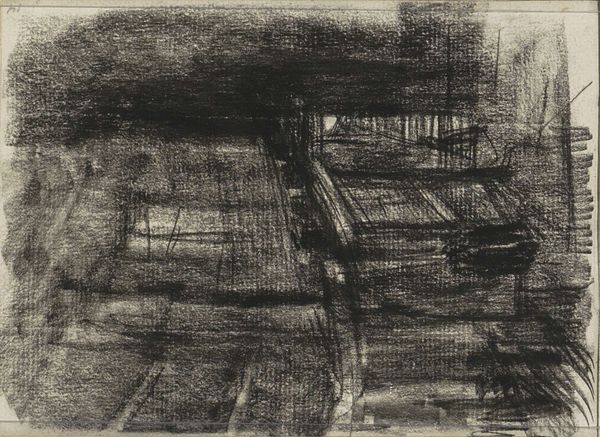
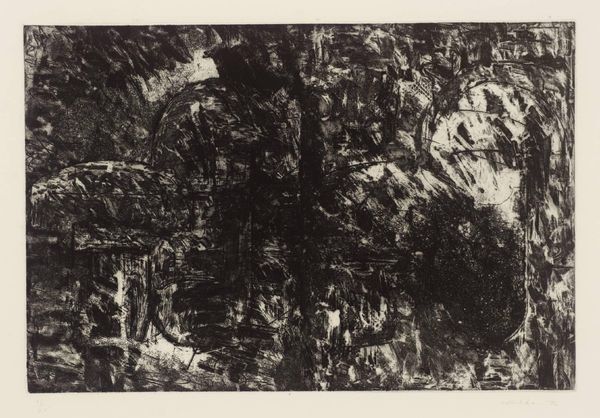
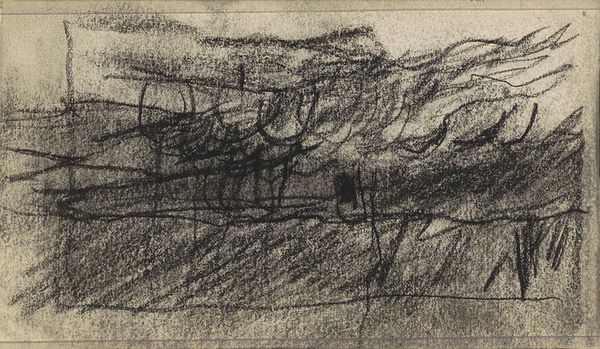
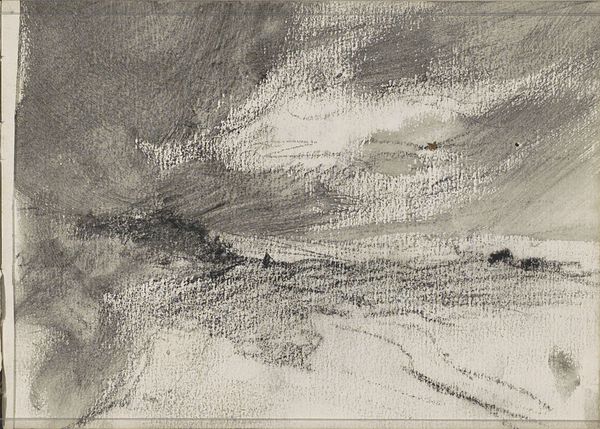
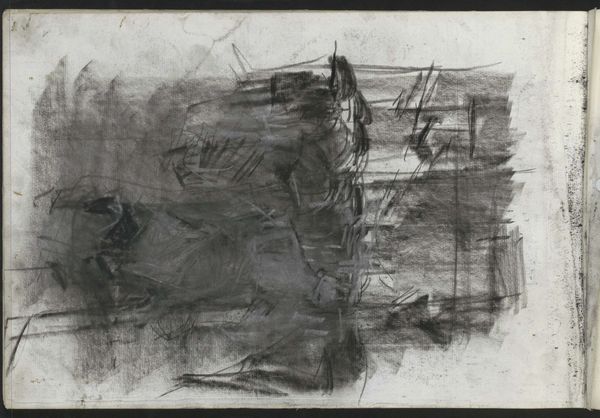
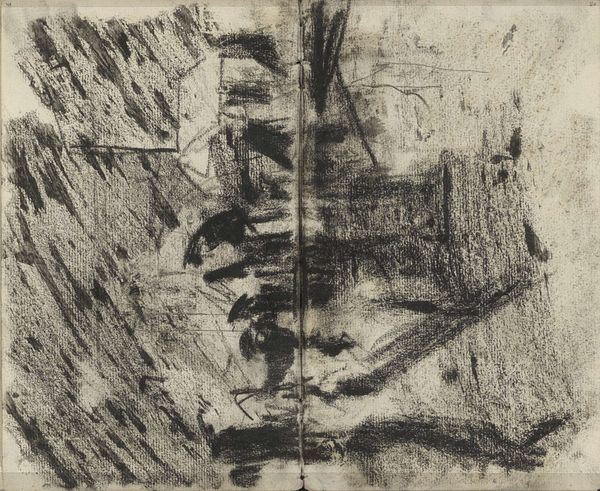
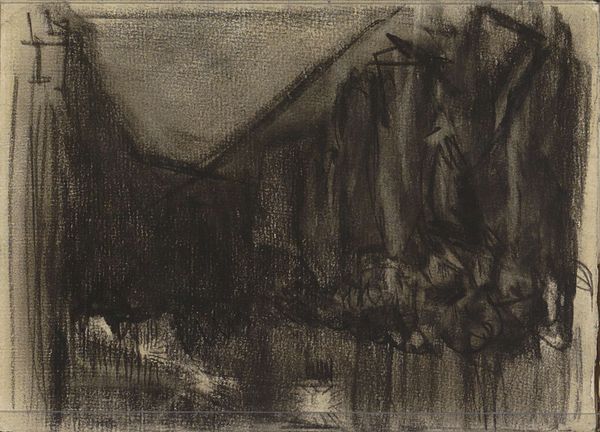
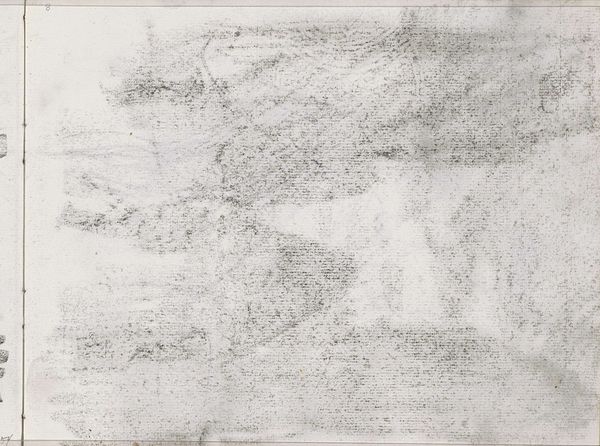
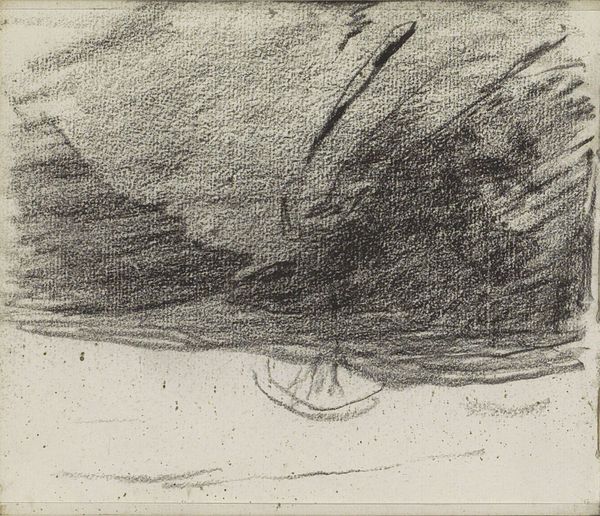
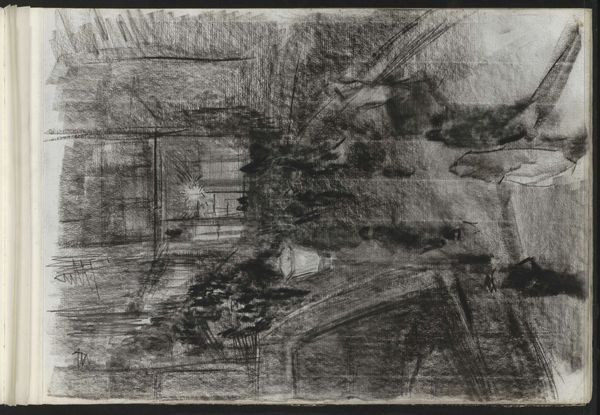
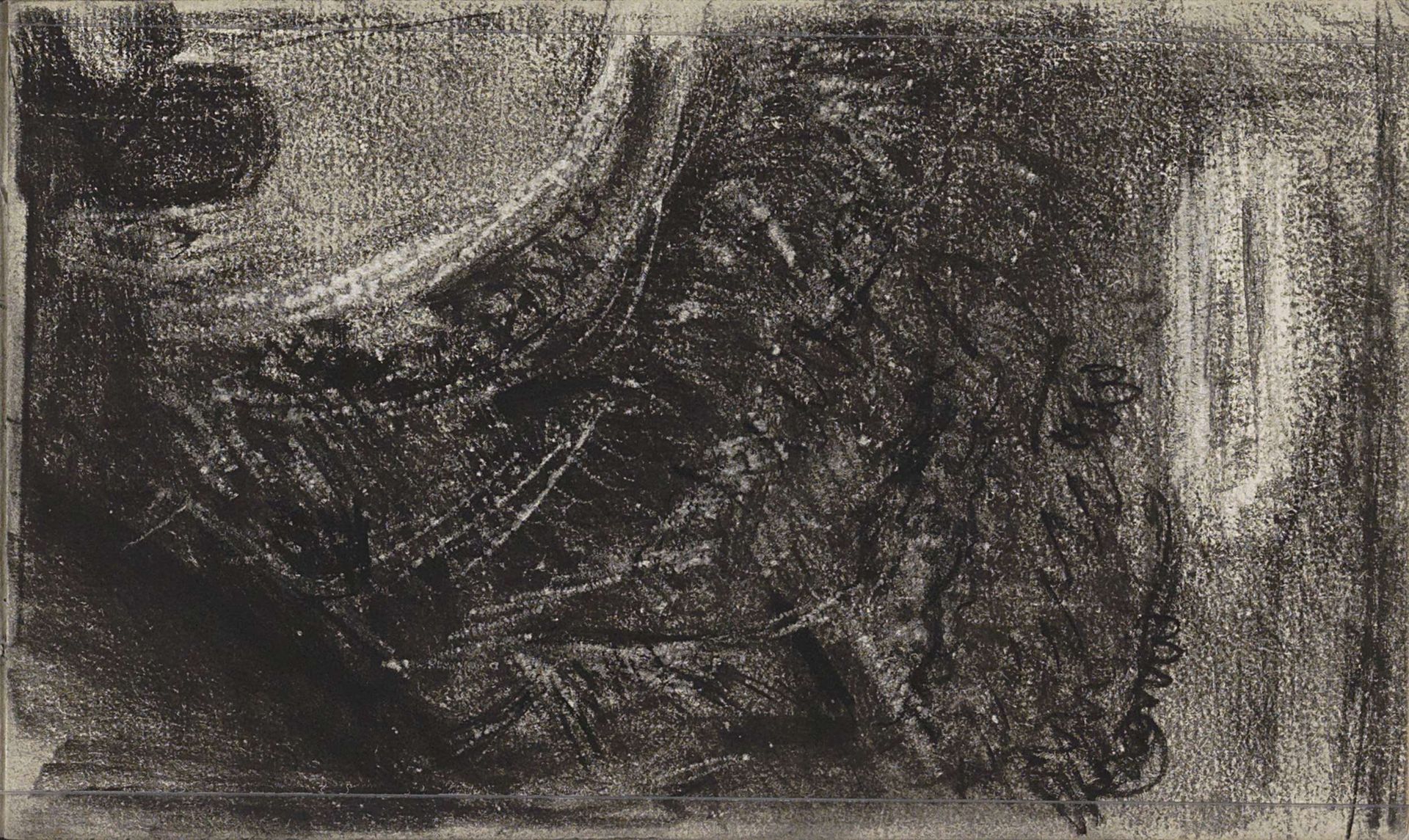
Editor: This is "Toeschouwers op een theaterbalkon" – "Spectators on a Theatre Balcony" – by Isaac Israels, made sometime between 1875 and 1934 using charcoal and pencil on paper. It feels… unresolved, almost like a fleeting memory. What strikes you when you look at this piece? Curator: It's a fascinating glimpse into the ephemeral nature of spectatorship, isn't it? The hazy charcoal evokes a dream-like state, suggesting not just the visual experience of watching a performance but also the lingering emotions. Do you notice how Israels captures figures as masses, rather than individual portraits? Editor: Yes! It's like they are part of the background almost, not as individual characters but as a collective blur. What do you think that blurriness represents? Curator: Consider the act of observation itself. Are we truly seeing the 'real'? Israels perhaps suggests how collective experience creates cultural memory, almost as a visual echo chamber, constantly reshaping perception. Editor: An echo chamber – I like that. It gives the piece a completely different resonance than just being a study of theater goers. Does the theatre as a specific space change your reading of the piece at all? Curator: Absolutely. The theatre, a crucible of heightened emotions and dramatic narratives, enhances the experience, intensifying our own reactions as audience members of the artwork. Notice the dark masses and light streaks – it’s as if he’s portraying our collective absorption in the spectacle. Does this interpretation change your first impression? Editor: Definitely! It makes me think about how we, as an audience, shape the spectacle just as much as the performers do. I appreciate the chance to think more deeply about the exchange of watching something. Curator: Indeed. It's a dance of gazes, influencing each other across time and space. Every line carries centuries of theatre tradition with it.

Artwork details
- Medium
- drawing, paper, charcoal
- Location
- Rijksmuseum
- Copyright
- Rijks Museum: Open Domain
Tags
Comments
Share your thoughts
About this artwork
Editor: This is "Toeschouwers op een theaterbalkon" – "Spectators on a Theatre Balcony" – by Isaac Israels, made sometime between 1875 and 1934 using charcoal and pencil on paper. It feels… unresolved, almost like a fleeting memory. What strikes you when you look at this piece? Curator: It's a fascinating glimpse into the ephemeral nature of spectatorship, isn't it? The hazy charcoal evokes a dream-like state, suggesting not just the visual experience of watching a performance but also the lingering emotions. Do you notice how Israels captures figures as masses, rather than individual portraits? Editor: Yes! It's like they are part of the background almost, not as individual characters but as a collective blur. What do you think that blurriness represents? Curator: Consider the act of observation itself. Are we truly seeing the 'real'? Israels perhaps suggests how collective experience creates cultural memory, almost as a visual echo chamber, constantly reshaping perception. Editor: An echo chamber – I like that. It gives the piece a completely different resonance than just being a study of theater goers. Does the theatre as a specific space change your reading of the piece at all? Curator: Absolutely. The theatre, a crucible of heightened emotions and dramatic narratives, enhances the experience, intensifying our own reactions as audience members of the artwork. Notice the dark masses and light streaks – it’s as if he’s portraying our collective absorption in the spectacle. Does this interpretation change your first impression? Editor: Definitely! It makes me think about how we, as an audience, shape the spectacle just as much as the performers do. I appreciate the chance to think more deeply about the exchange of watching something. Curator: Indeed. It's a dance of gazes, influencing each other across time and space. Every line carries centuries of theatre tradition with it.
Comments
Share your thoughts