About this artwork
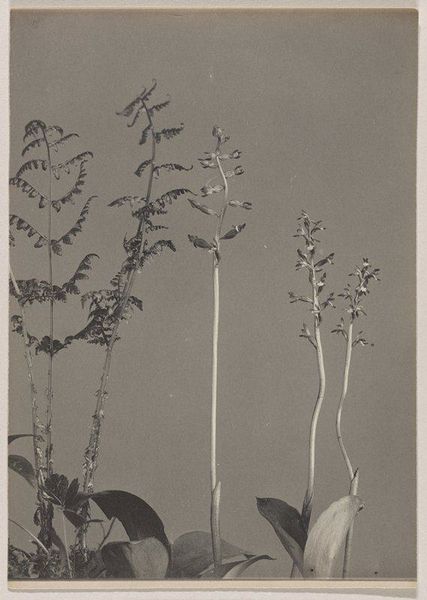
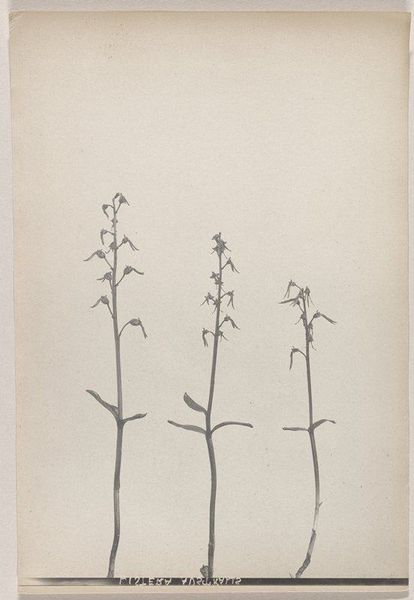
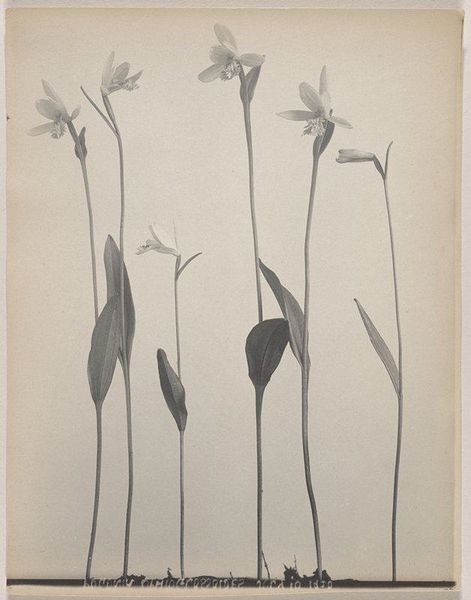
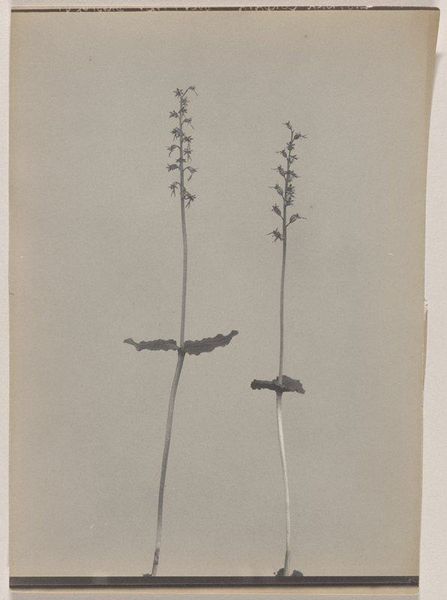
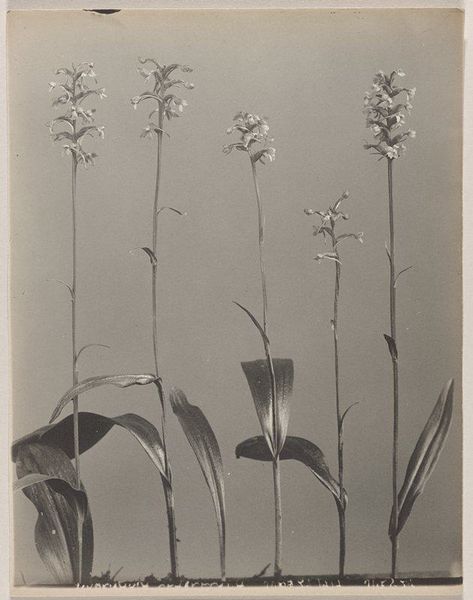
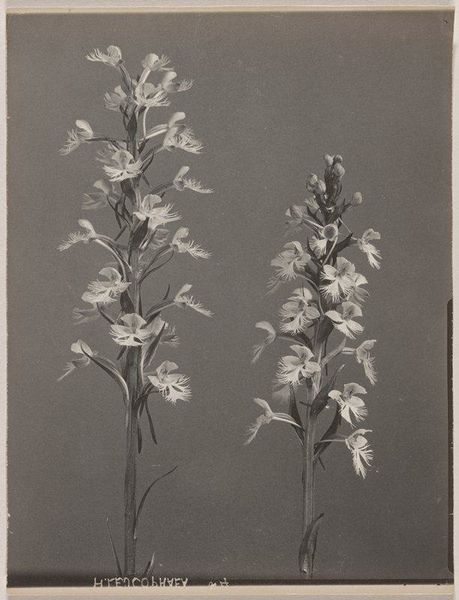
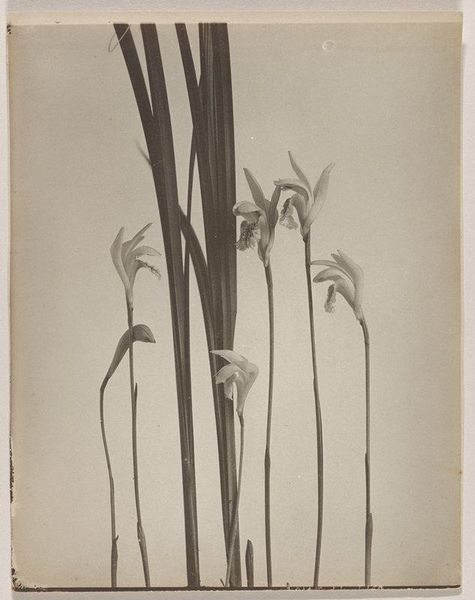
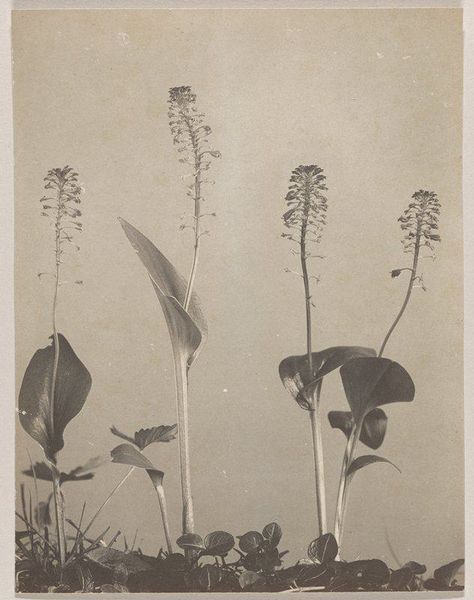
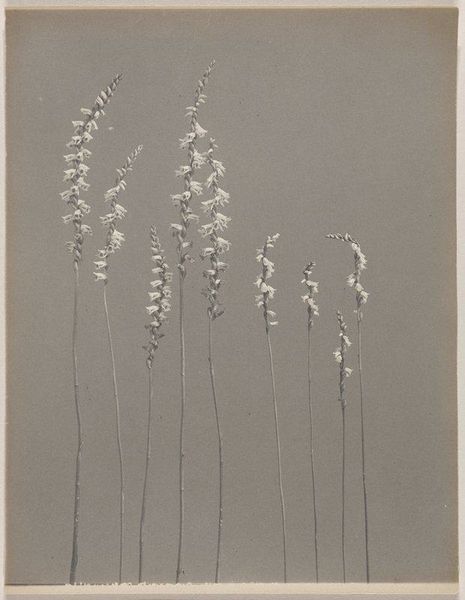
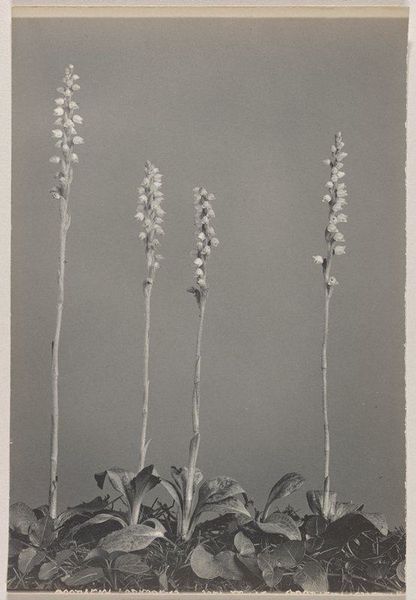
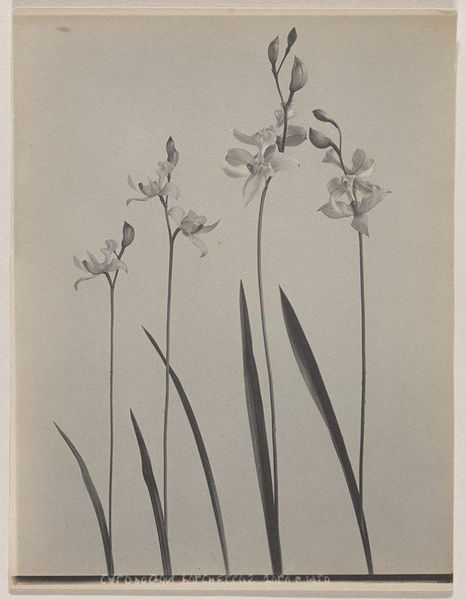
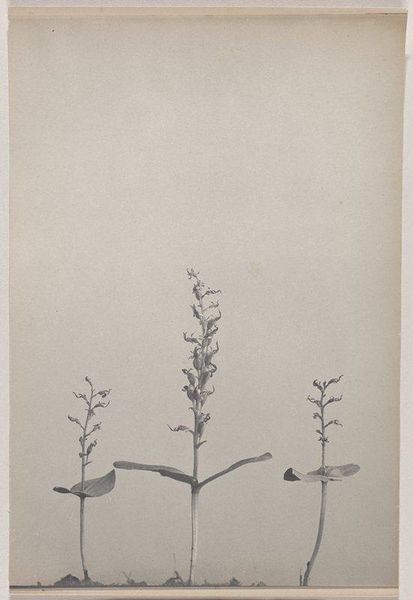
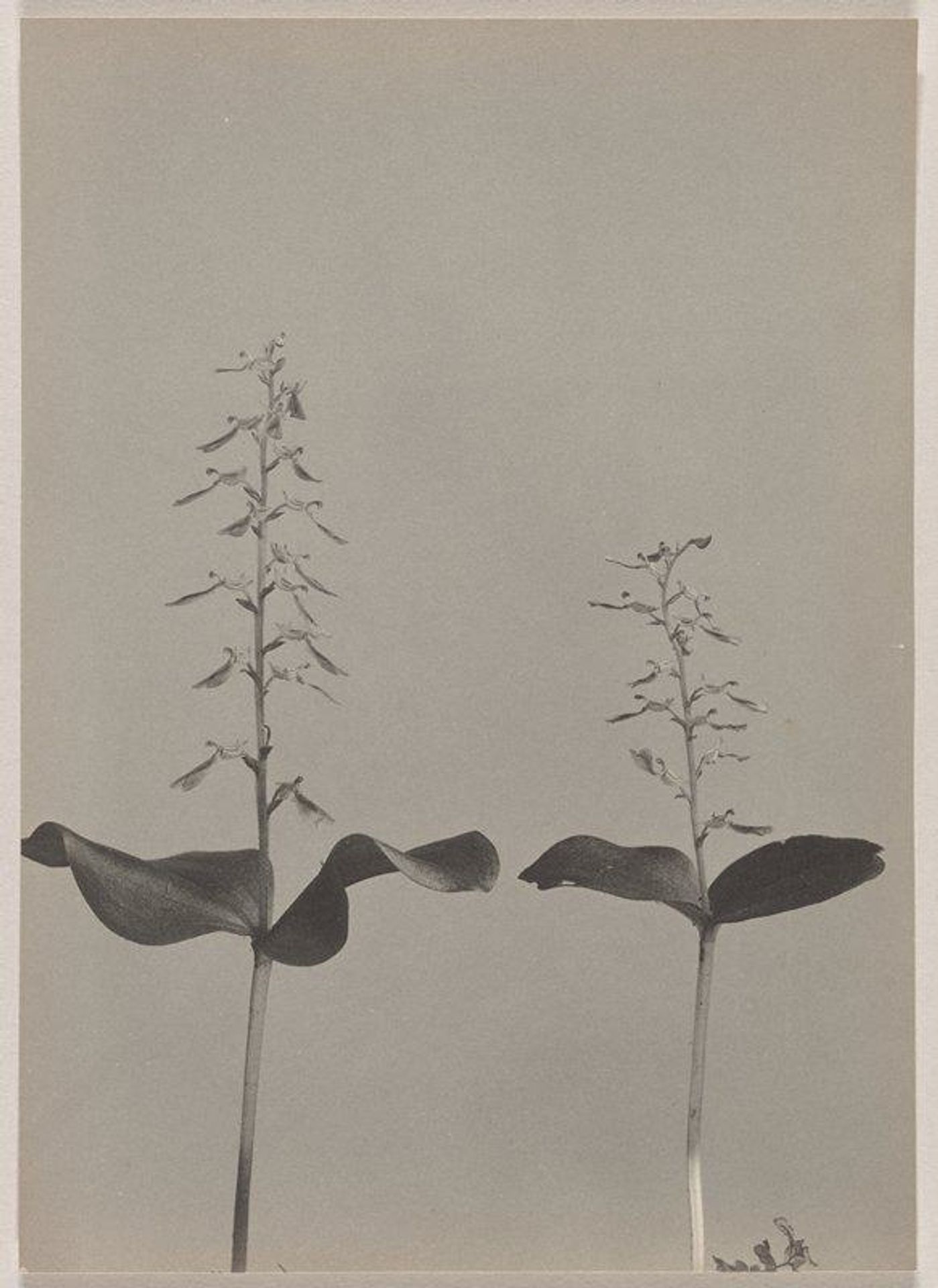
Edwin Hale Lincoln made this gelatin silver print, "Listera convallarioides - Broad-leaved Twayblade," sometime during his career. Lincoln was part of a movement in the late 19th and early 20th centuries that sought to document American flora through photography. What might appear as a simple botanical study was in fact part of a larger cultural project. During this period, there was a growing interest in natural history, fueled by scientific exploration, evolutionary theories, and a desire to classify the natural world. Photography provided a seemingly objective means of capturing and cataloging plant species. Lincoln’s choice of subject, a relatively rare orchid, speaks to a kind of romantic sensibility then present in American culture; it speaks to ideas about the fragility of nature. To understand the image better, we might look at the publications and institutions that promoted this kind of photography, such as the scientific journals and botanical societies. The meaning of art is always contingent on its social and institutional context.
Listera convallarioides- Broad-leaved Twayblade 1931


Artwork details
- Medium
- photography
- Dimensions
- 8 13/16 x 6 5/16 in. (22.38 x 16.03 cm) (image, sheet)
- Location
- Minneapolis Institute of Art
- Copyright
- No Copyright - United States
Tags
still-life-photography
landscape
photography
united-states
realism
Comments
No comments
About this artwork
Edwin Hale Lincoln made this gelatin silver print, "Listera convallarioides - Broad-leaved Twayblade," sometime during his career. Lincoln was part of a movement in the late 19th and early 20th centuries that sought to document American flora through photography. What might appear as a simple botanical study was in fact part of a larger cultural project. During this period, there was a growing interest in natural history, fueled by scientific exploration, evolutionary theories, and a desire to classify the natural world. Photography provided a seemingly objective means of capturing and cataloging plant species. Lincoln’s choice of subject, a relatively rare orchid, speaks to a kind of romantic sensibility then present in American culture; it speaks to ideas about the fragility of nature. To understand the image better, we might look at the publications and institutions that promoted this kind of photography, such as the scientific journals and botanical societies. The meaning of art is always contingent on its social and institutional context.
Comments
No comments