425 - 435
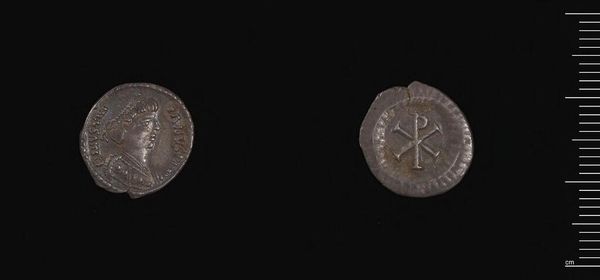
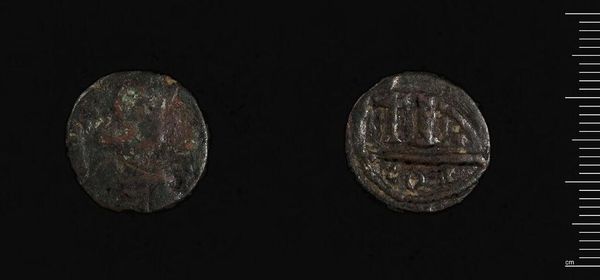
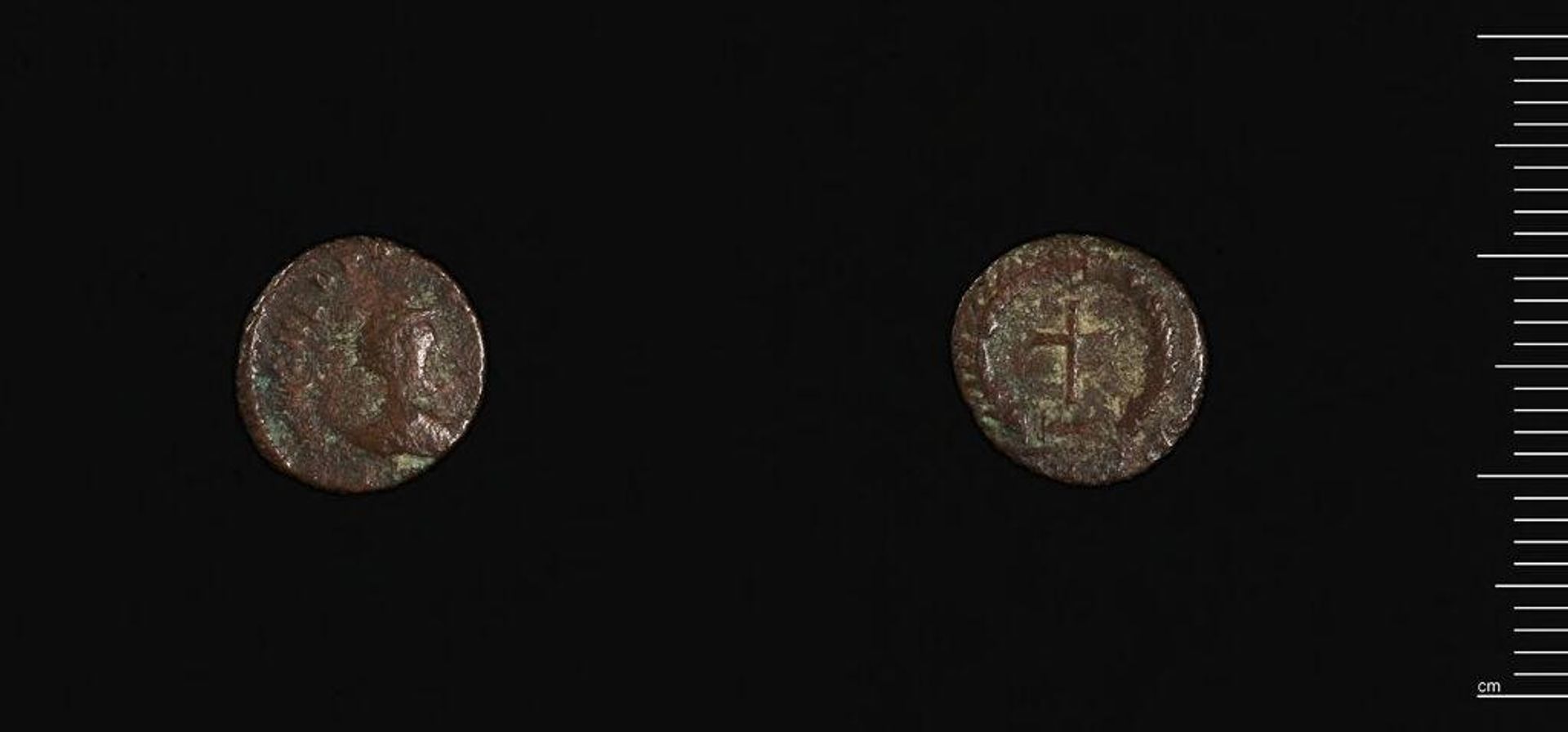
Coin of Theodosius II

Listen to curator's interpretation
Curatorial notes
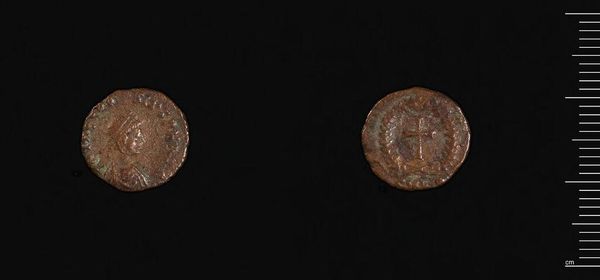
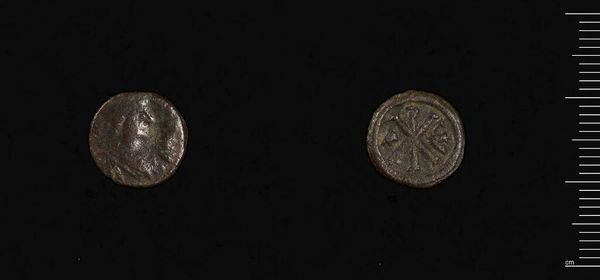
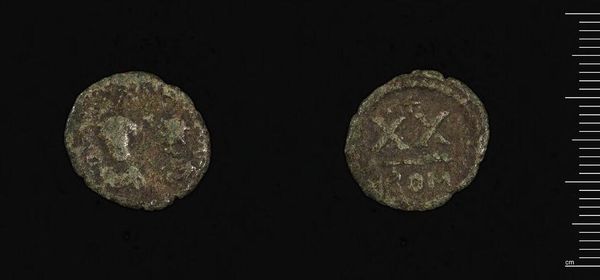
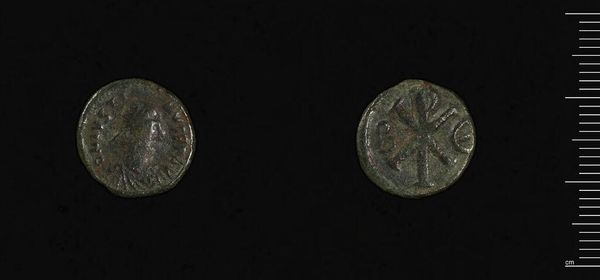
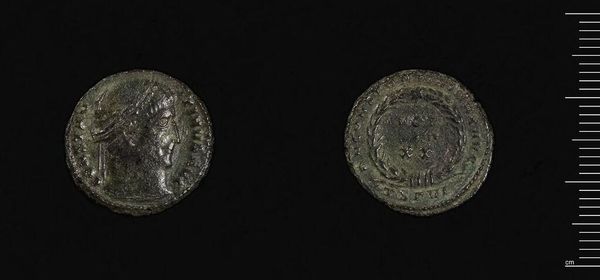
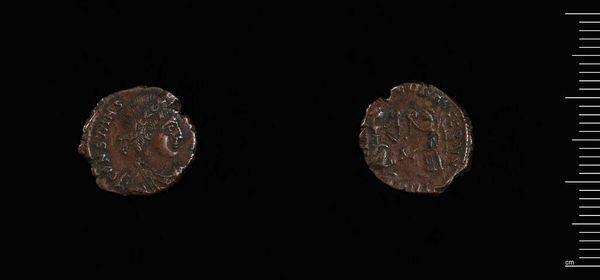
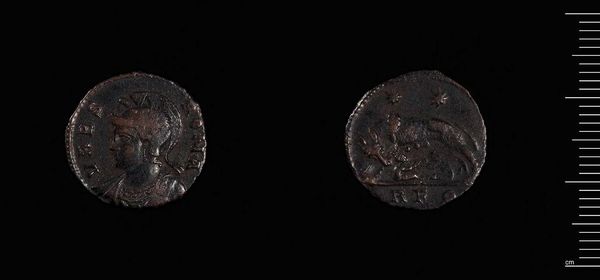
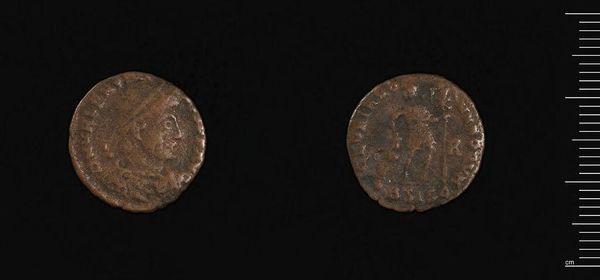
Curator: Before us is a coin attributed to Theodosius II, presently held in the Harvard Art Museums collection. The dimensions show it weighs just over one gram. Editor: It's easy to overlook something so small, but I’m immediately struck by the coin's worn texture. It evokes a sense of tangible history. Curator: Indeed. Coins served as powerful symbols of the emperor's authority. This coin would have entered circulation throughout the Byzantine Empire. Editor: And think of all the hands it passed through! What socioeconomic narratives does this object unlock regarding exchange, trade, and imperial power? Curator: Absolutely, these images served a purpose. The depiction of the emperor on one side and the cross on the other are steeped in symbolic meaning. Editor: I find myself wondering who was excluded from this symbolic representation of power and piety. What did this symbol mean for marginalized groups within the empire? Curator: It reminds us that even the smallest object can carry profound social and historical weight. Editor: Precisely. A potent reminder that history is not just about grand narratives, but about the lived experiences of people often overlooked.