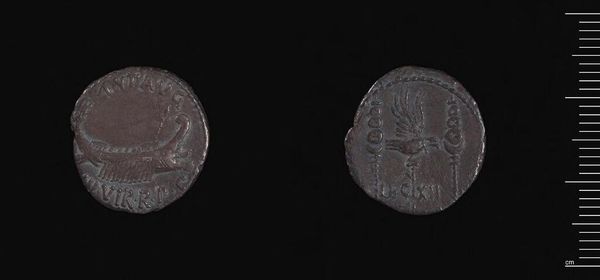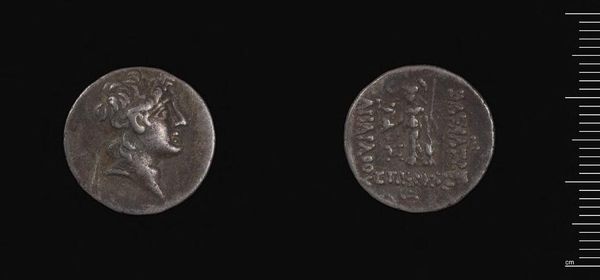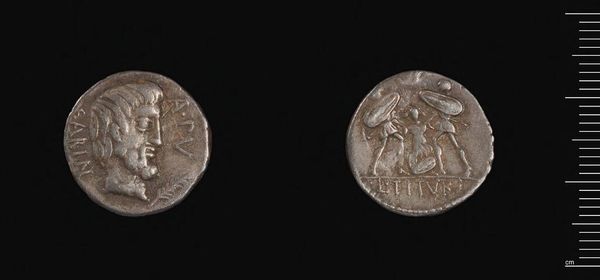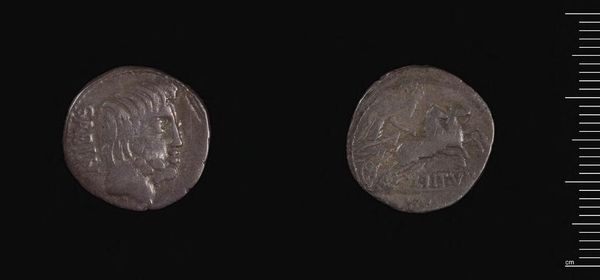
39 BCE
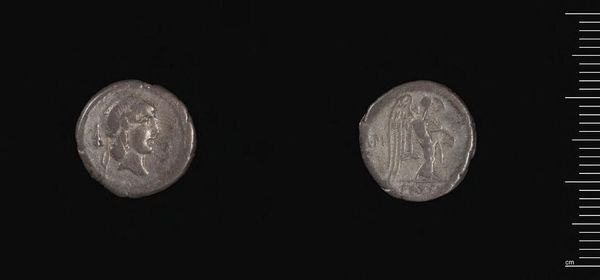
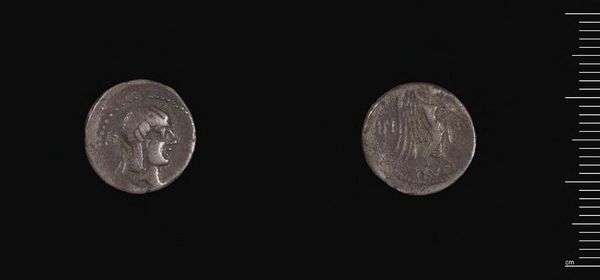
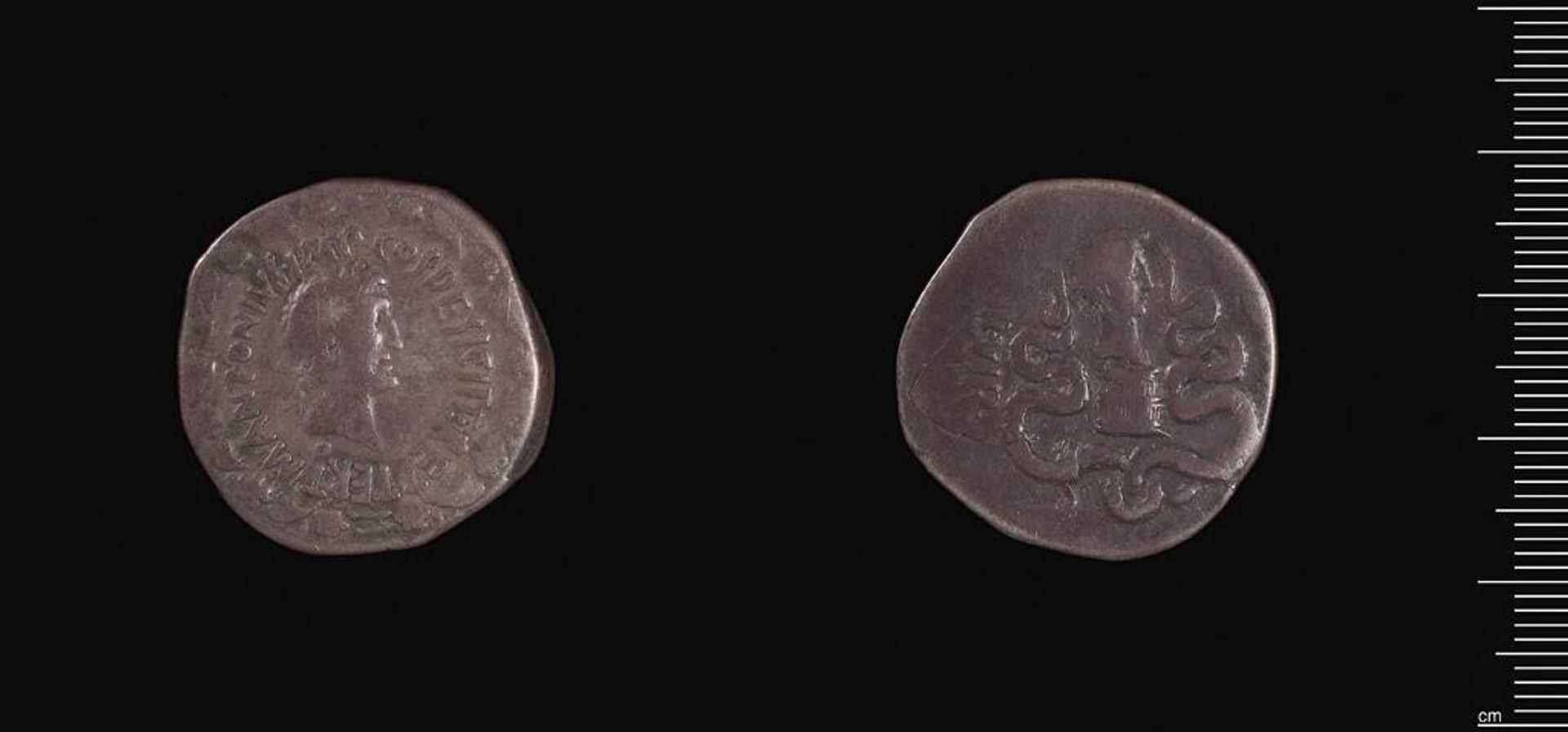
Cistophorus of Marc Antony, Ephesus?

Listen to curator's interpretation
Curatorial notes
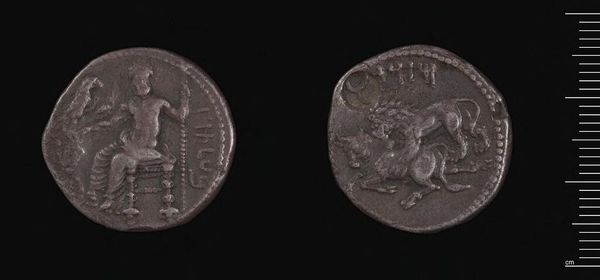
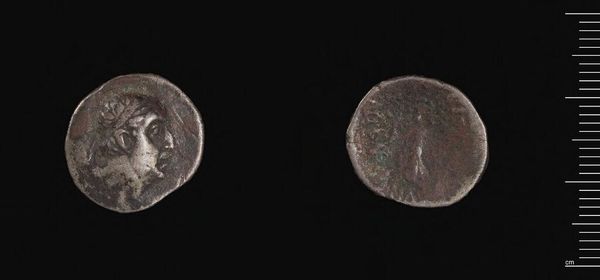
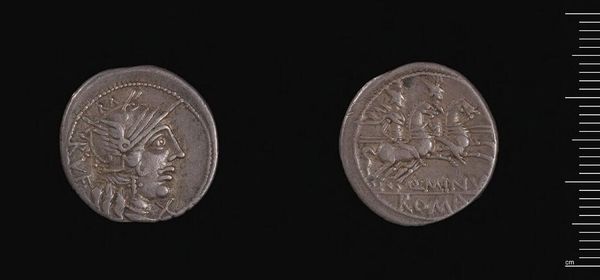
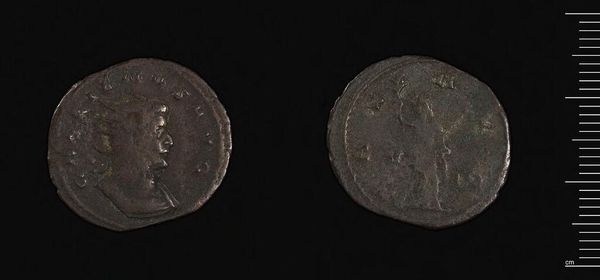
Curator: Here we have a Cistophorus issued by Marc Antony, a coin that offers fascinating insights into the power dynamics of the late Roman Republic. Editor: It looks quite worn, doesn’t it? But even with the wear, you can still feel the weight of history in it. Curator: Indeed. Coins like this were not just currency. They were tools of propaganda, circulating images of rulers and symbols of their authority. This one likely served as a statement about Antony's control over certain territories. Editor: I find the choice of symbols fascinating. The cista mystica, that basket, entwined with serpents! It speaks to a connection with Dionysus, or Bacchus, a god associated with transformation and liberation. Antony seems to be aligning himself with divine power. Curator: Precisely. The iconography would have resonated with audiences in the eastern Mediterranean, where such symbols were widely understood and held significance. Editor: A small object, yet so full of layered meaning and ambition. Curator: It really underscores how art, even in its most functional form, always reflects the social and political currents of its time.