About this artwork
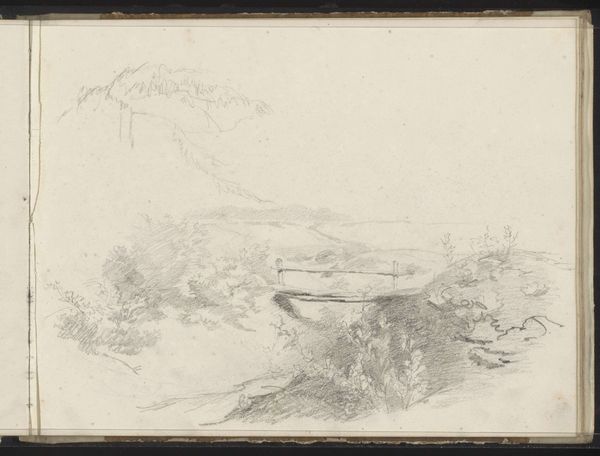
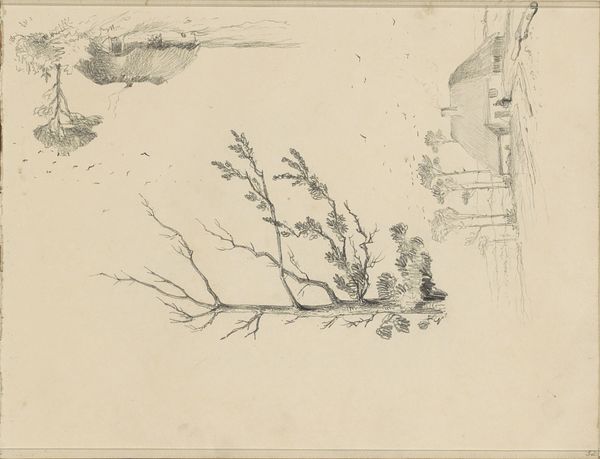
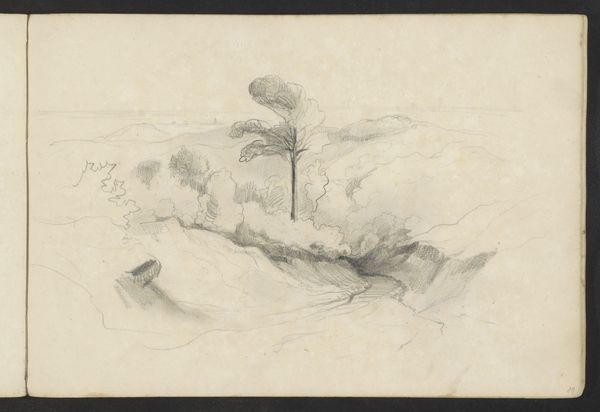
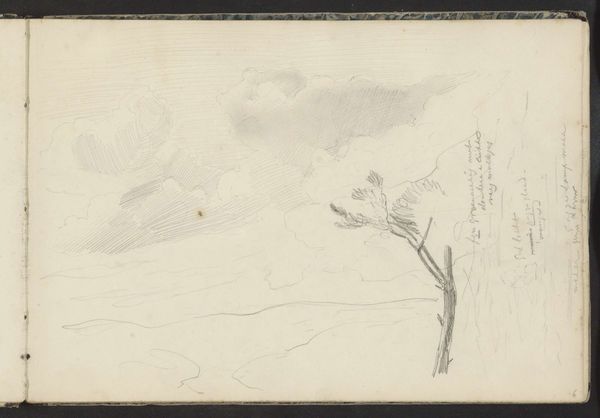
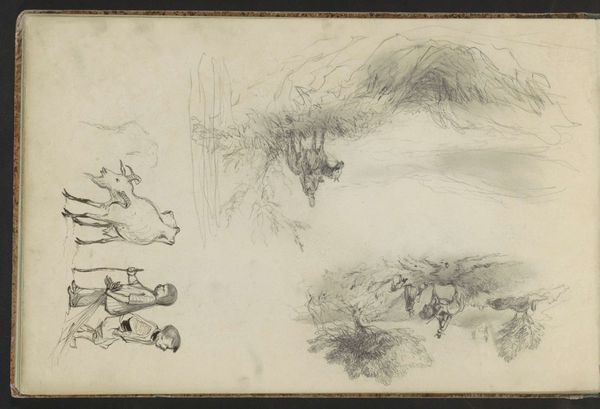
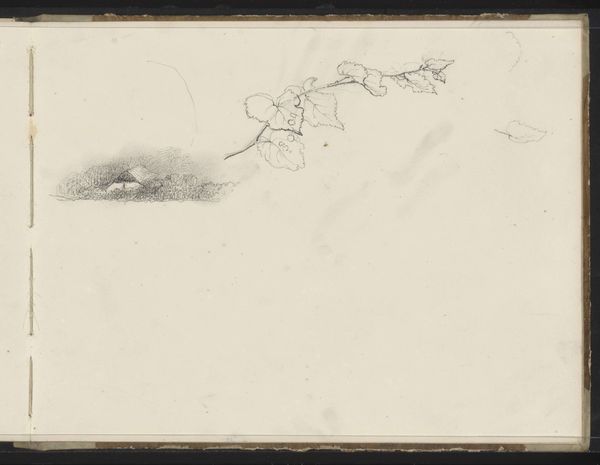
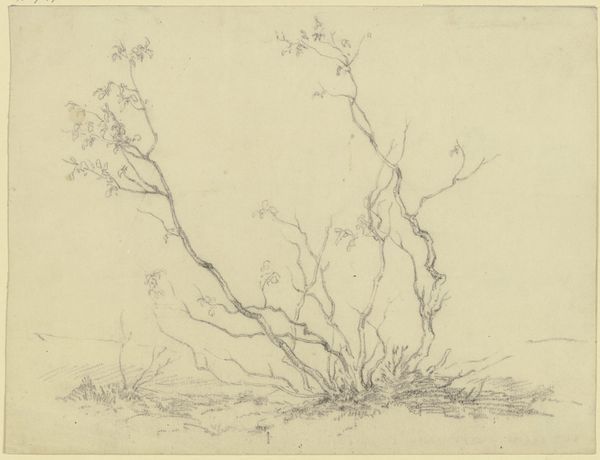
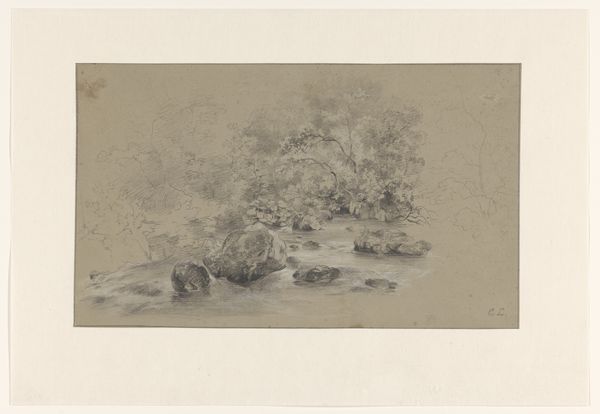
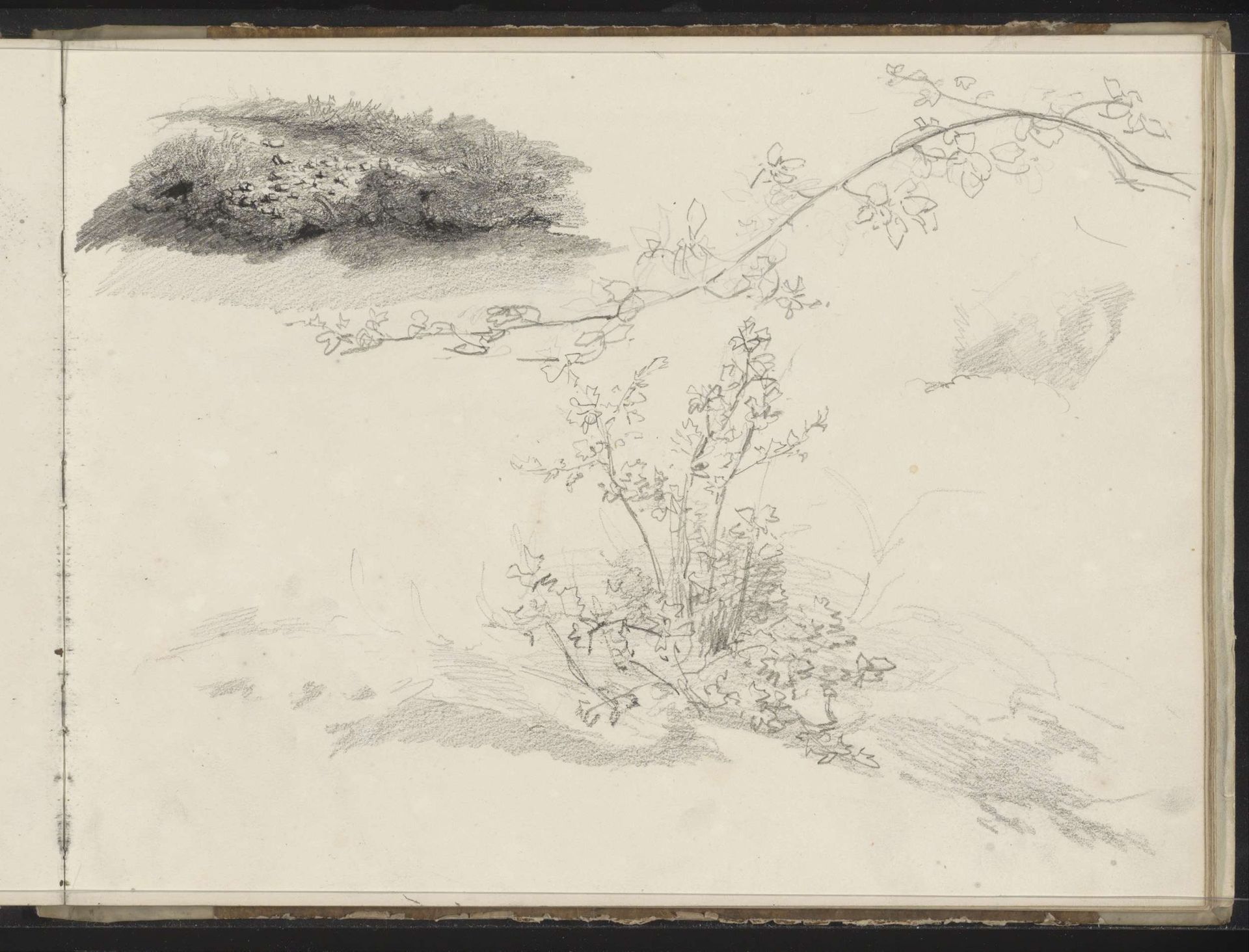
This delicate pencil drawing of a blooming branch, a plant, and grassy earth with stones was created by Maria Vos in the 19th century. Vos was part of a generation of women artists who, despite societal constraints, found ways to express their creativity, often focusing on still life and landscape. In this drawing, the subtle details of the plants come alive through the intricate linework. Vos’s choice to depict these natural elements can be seen as a quiet rebellion against the traditional expectations of women's roles, finding freedom and expression in the observation and recording of the natural world around her. The drawing offers a glimpse into the artist’s personal connection to nature, reflecting a sense of peace and contemplation. Vos invites us to consider the intersections of gender, nature, and artistic expression in a time when women were often confined to the domestic sphere. In essence, this simple sketch becomes a powerful statement about the importance of individual perspective and the quiet strength of female artists in history.
Bloeiende tak, een plant en een stuk grond met gras en stenen
1834 - 1906

Maria Vos
1824 - 1906Location
RijksmuseumArtwork details
- Medium
- drawing, pencil
- Location
- Rijksmuseum
- Copyright
- Rijks Museum: Open Domain
Tags
Comments
Share your thoughts
About this artwork
This delicate pencil drawing of a blooming branch, a plant, and grassy earth with stones was created by Maria Vos in the 19th century. Vos was part of a generation of women artists who, despite societal constraints, found ways to express their creativity, often focusing on still life and landscape. In this drawing, the subtle details of the plants come alive through the intricate linework. Vos’s choice to depict these natural elements can be seen as a quiet rebellion against the traditional expectations of women's roles, finding freedom and expression in the observation and recording of the natural world around her. The drawing offers a glimpse into the artist’s personal connection to nature, reflecting a sense of peace and contemplation. Vos invites us to consider the intersections of gender, nature, and artistic expression in a time when women were often confined to the domestic sphere. In essence, this simple sketch becomes a powerful statement about the importance of individual perspective and the quiet strength of female artists in history.
Comments
Share your thoughts