About this artwork
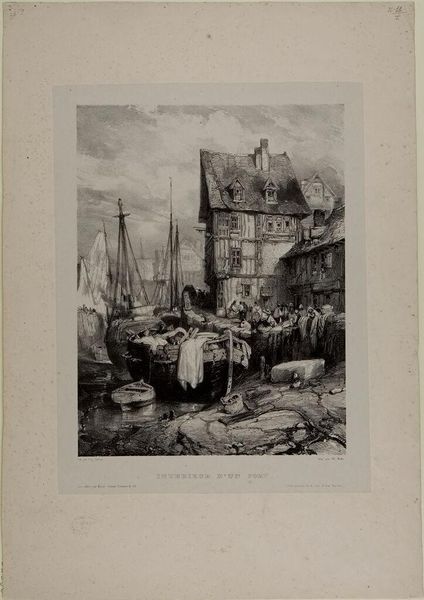
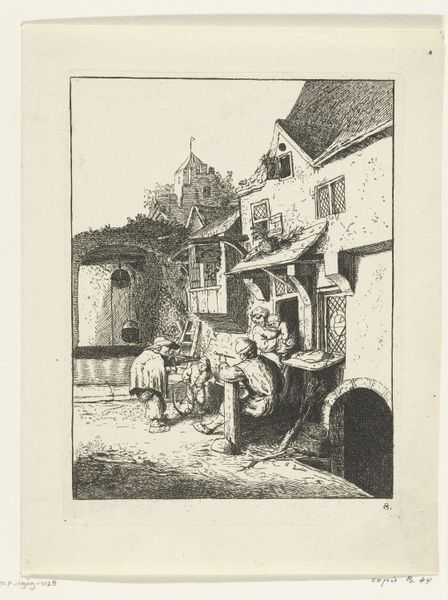
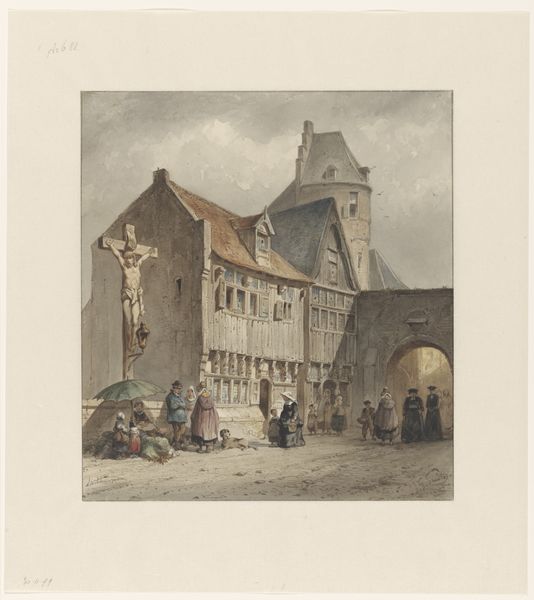
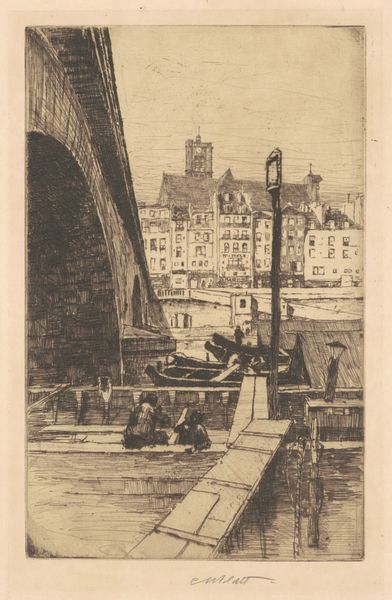
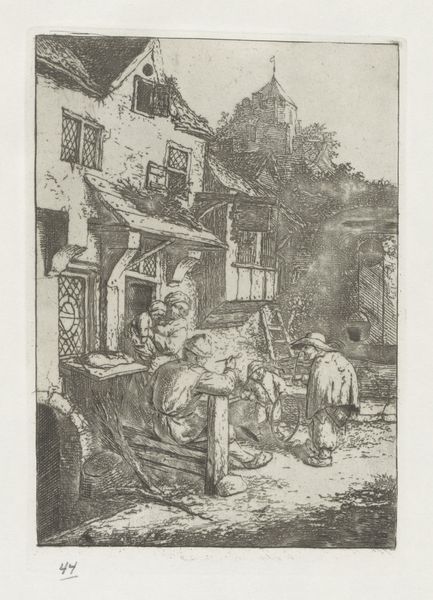
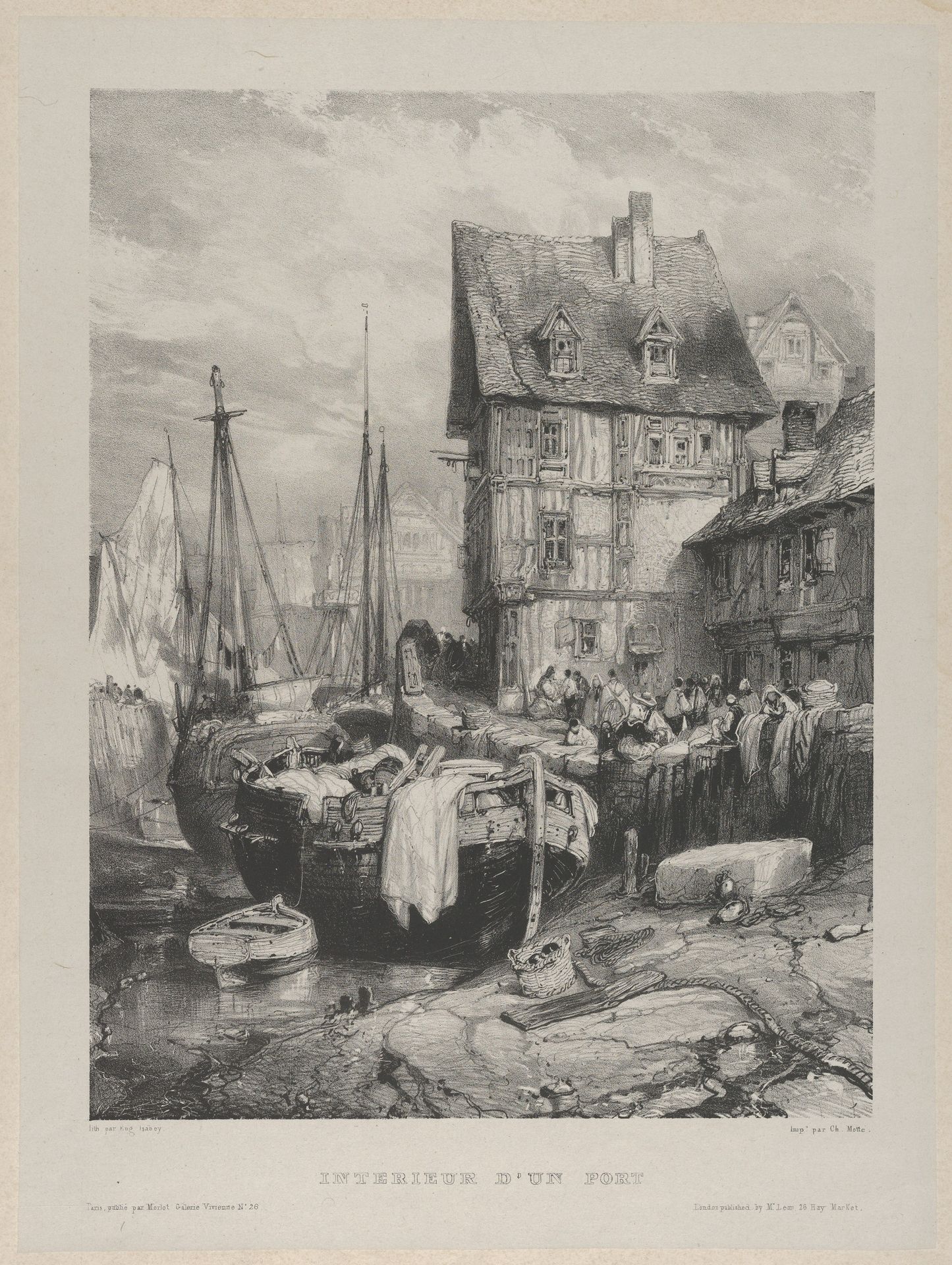
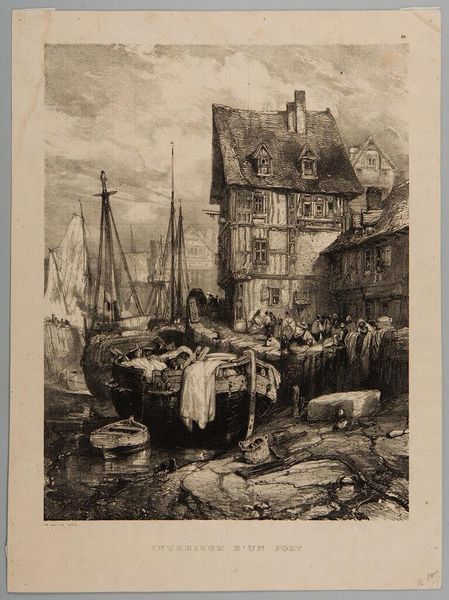
This is Eugène Isabey’s "Interior of a Port," a lithograph print. Though undated, it was likely made in France sometime in the mid-19th century. Notice how Isabey uses dense, dark strokes to convey the atmosphere of a bustling port town. The location is a hive of activity. We see figures gathered around the boats and buildings that appear to be engaged in the everyday work of maritime trade. France in the 1800s was a country transformed by industrialization and expanding global commerce. Artists at the time were drawn to modern subjects, and the port becomes a fitting symbol of France’s connection to an increasingly globalized world. It represents the changing economy and the rise of a new working class. Understanding the role of art institutions and the commercial networks that supported artists like Isabey helps us contextualize these images. Further research into the economic history of French port cities would shed additional light on Isabey’s artistic choices.
Interior of a Port
1833
Artwork details
- Medium
- drawing, print
- Dimensions
- Sheet: 18 3/8 × 13 3/16 in. (46.7 × 33.5 cm) Image: 14 5/8 in. × 11 in. (37.2 × 28 cm)
- Location
- Metropolitan Museum of Art, New York, NY
- Copyright
- Public Domain
Tags
Comments
Share your thoughts
About this artwork
This is Eugène Isabey’s "Interior of a Port," a lithograph print. Though undated, it was likely made in France sometime in the mid-19th century. Notice how Isabey uses dense, dark strokes to convey the atmosphere of a bustling port town. The location is a hive of activity. We see figures gathered around the boats and buildings that appear to be engaged in the everyday work of maritime trade. France in the 1800s was a country transformed by industrialization and expanding global commerce. Artists at the time were drawn to modern subjects, and the port becomes a fitting symbol of France’s connection to an increasingly globalized world. It represents the changing economy and the rise of a new working class. Understanding the role of art institutions and the commercial networks that supported artists like Isabey helps us contextualize these images. Further research into the economic history of French port cities would shed additional light on Isabey’s artistic choices.
Comments
Share your thoughts