About this artwork
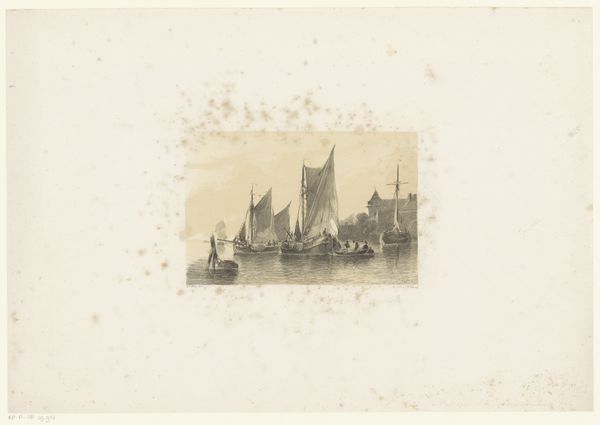
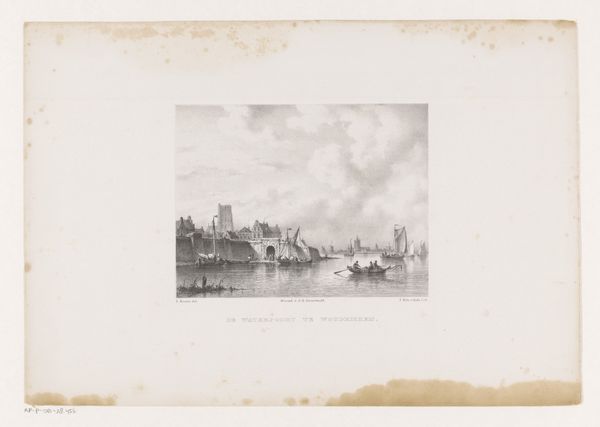
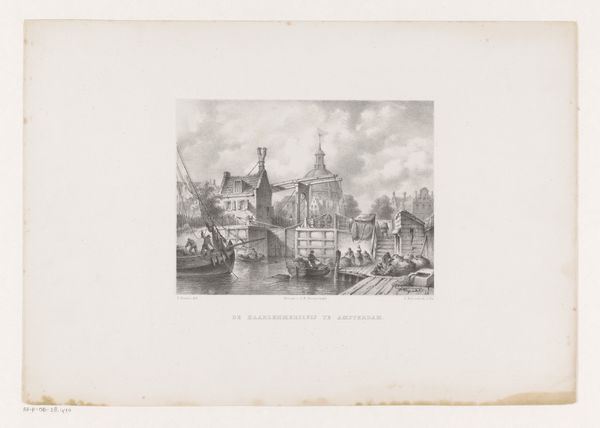
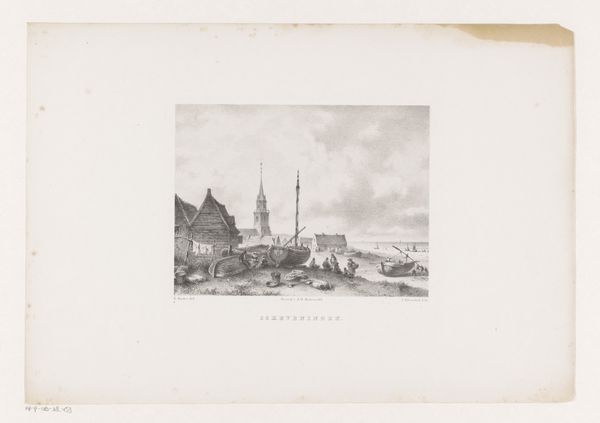
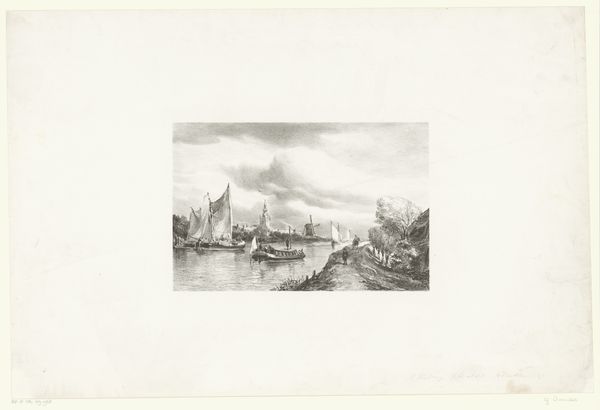
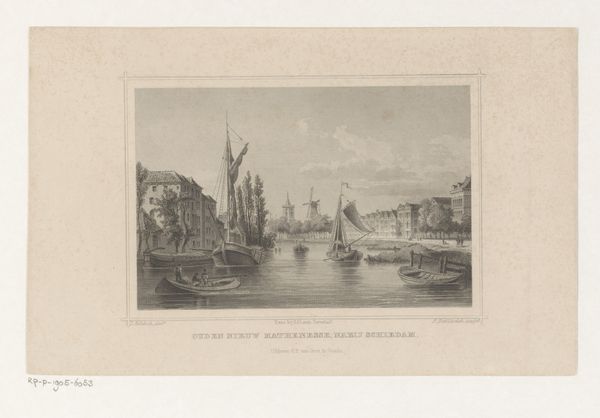
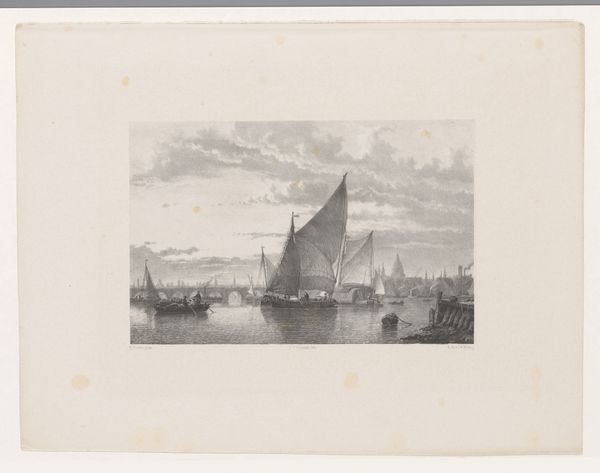
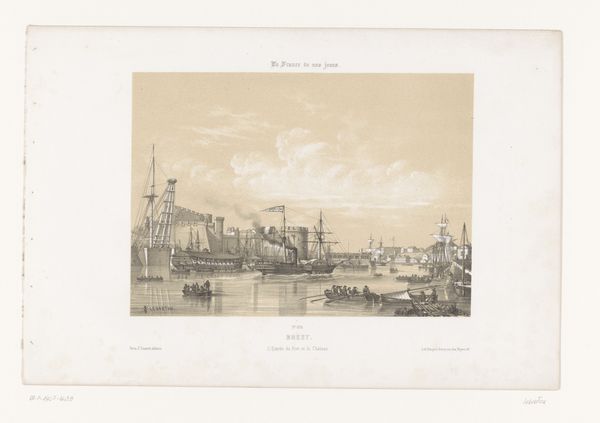
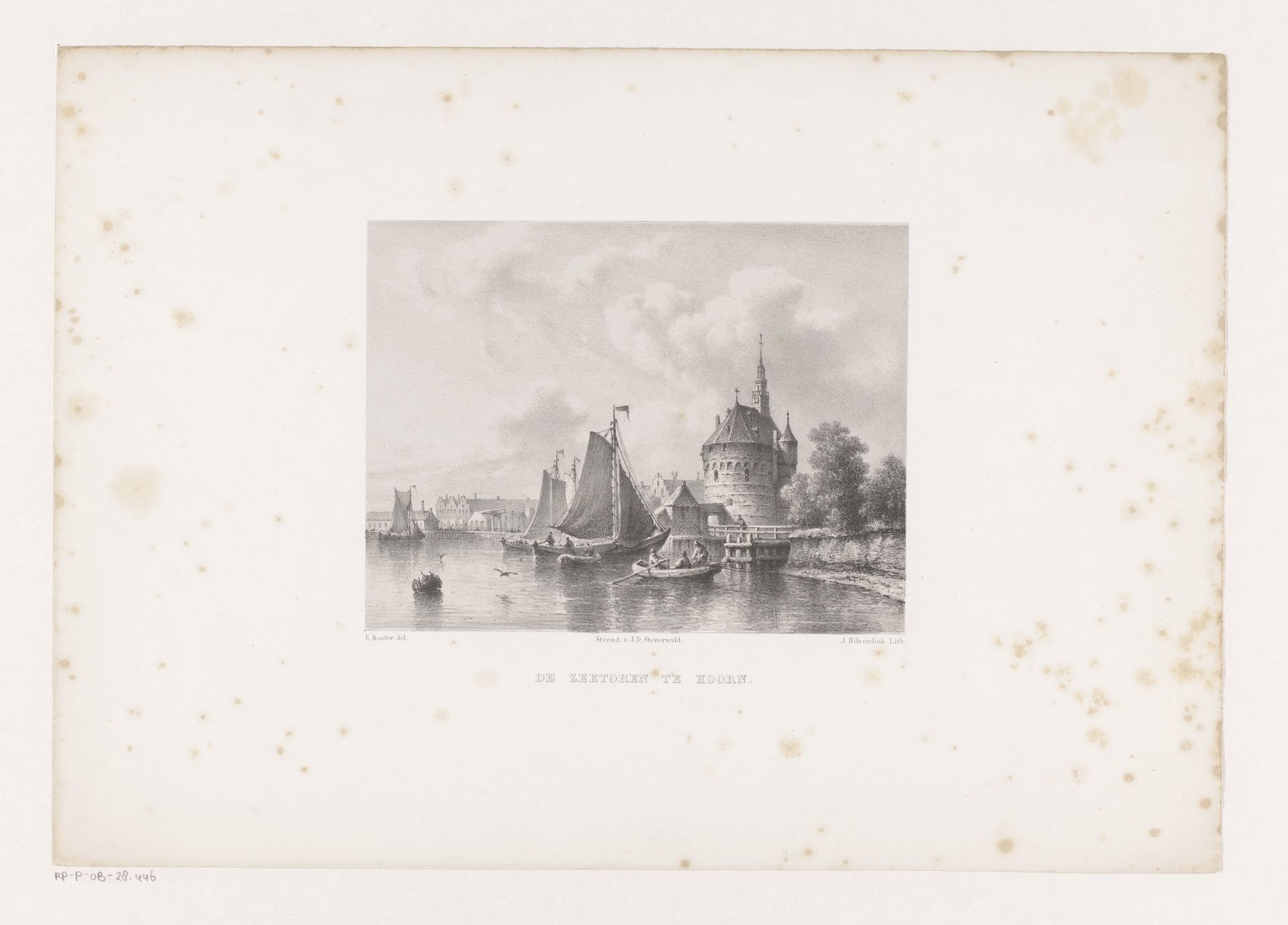
Johannes Hilverdink created this print of the Hoofdtoren in Hoorn, using etching and engraving techniques. During the 19th century, the Netherlands was undergoing significant transformations, navigating its identity in the wake of Napoleonic rule and amidst rising nationalist sentiments. It's impossible to ignore the romanticism imbued in this scene, where the Hoofdtoren stands as a stoic emblem of Dutch heritage against the backdrop of a bustling port. The artist captures not just a landscape but a collective memory, reflecting a longing for historical continuity amidst social and political change. Hilverdink seems to be consciously constructing a narrative about Dutch identity. The image is also a study in contrasts, with the monumental architecture juxtaposed against the transient nature of the sailing vessels. The print invites a contemplation on themes of permanence versus change, tradition versus modernity, and the enduring spirit of a nation navigating its course through time.

Artwork details
- Dimensions
- height 312 mm, width 445 mm
- Location
- Rijksmuseum
- Copyright
- Rijks Museum: Open Domain
Comments
Be the first to share your thoughts about this work.
About this artwork
Johannes Hilverdink created this print of the Hoofdtoren in Hoorn, using etching and engraving techniques. During the 19th century, the Netherlands was undergoing significant transformations, navigating its identity in the wake of Napoleonic rule and amidst rising nationalist sentiments. It's impossible to ignore the romanticism imbued in this scene, where the Hoofdtoren stands as a stoic emblem of Dutch heritage against the backdrop of a bustling port. The artist captures not just a landscape but a collective memory, reflecting a longing for historical continuity amidst social and political change. Hilverdink seems to be consciously constructing a narrative about Dutch identity. The image is also a study in contrasts, with the monumental architecture juxtaposed against the transient nature of the sailing vessels. The print invites a contemplation on themes of permanence versus change, tradition versus modernity, and the enduring spirit of a nation navigating its course through time.
Comments
Be the first to share your thoughts about this work.