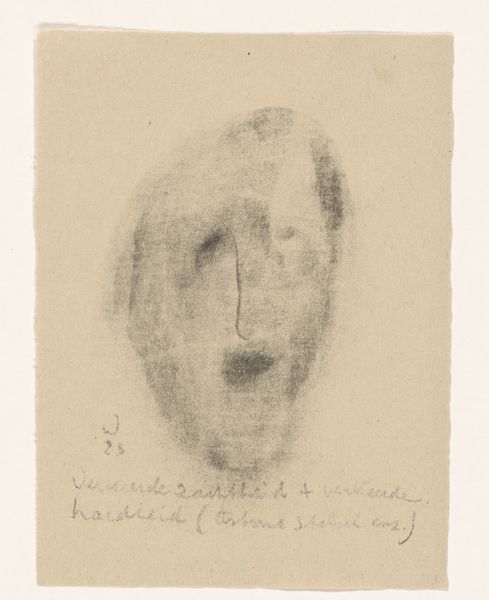
drawing, charcoal
#
portrait
#
drawing
#
caricature
#
pencil sketch
#
figuration
#
expressionism
#
charcoal
Dimensions: height 186 mm, width 146 mm
Copyright: Rijks Museum: Open Domain
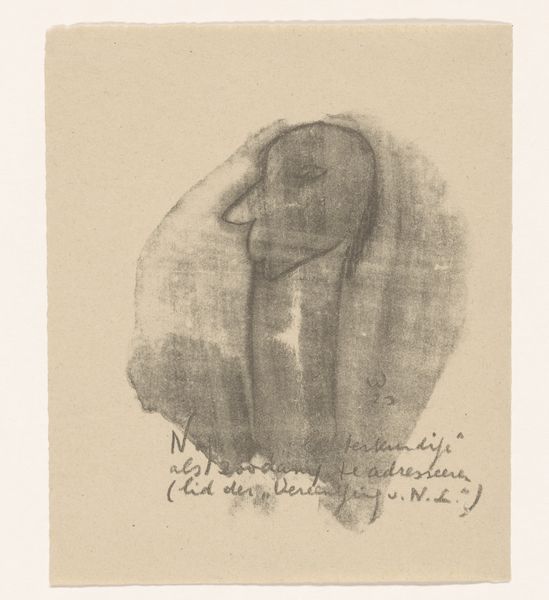
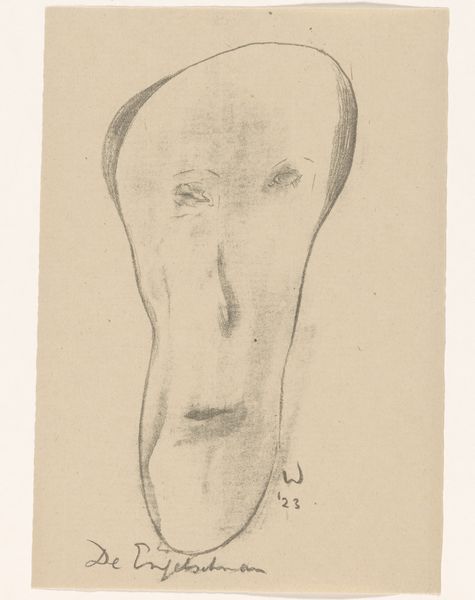
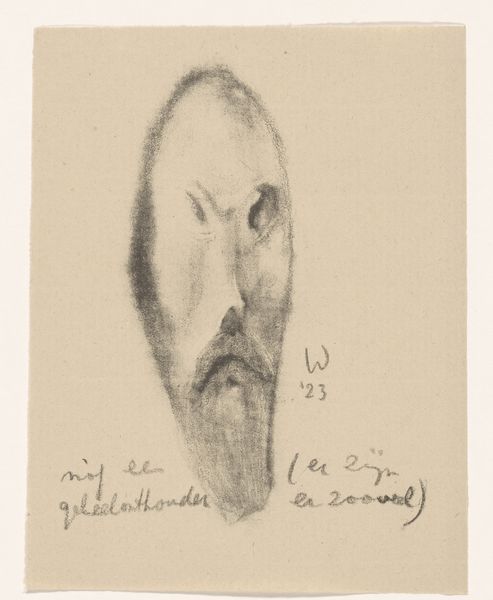
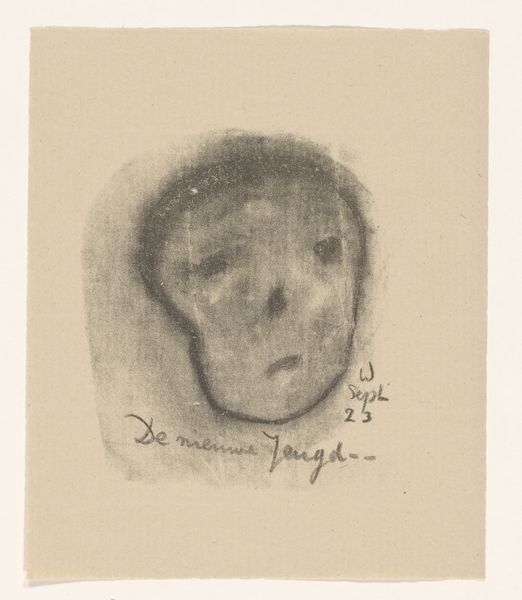
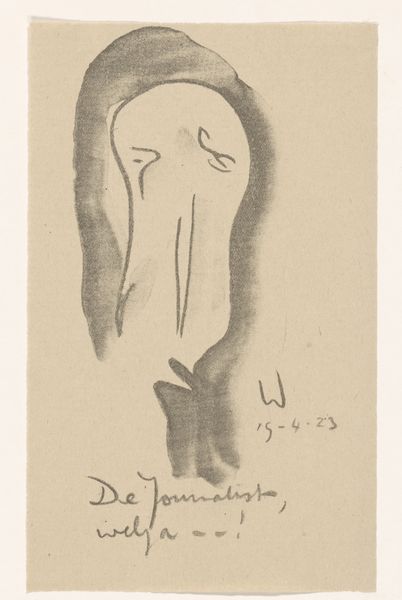
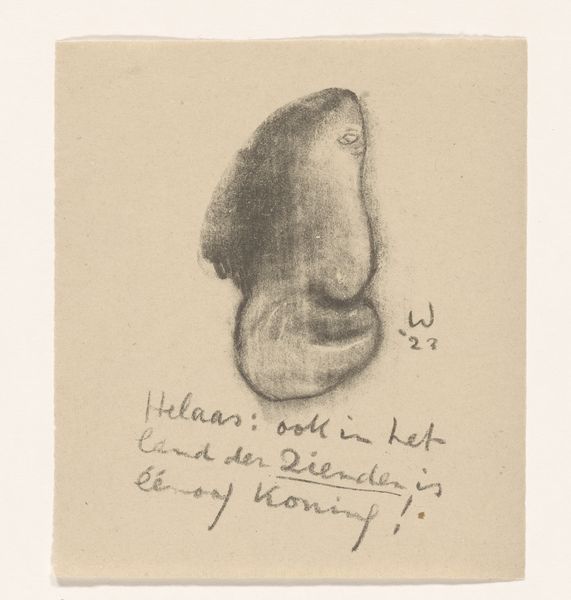
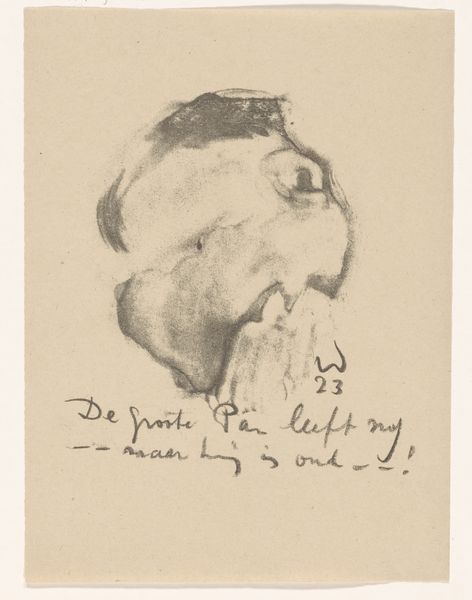
Editor: We're looking at Erich Wichmann's 1923 charcoal drawing, "Een 'geestig schrijver'". The subject's features are so exaggerated; it feels almost grotesque. What strikes you about this work? Curator: The grotesqueness is precisely where we should start. Caricature served a powerful social function in the 1920s. Satire like this wasn't merely humorous. It critiqued figures of authority, often playing a role in shaping public opinion, especially toward writers who were seen as “witty,” maybe overly so. Does this resonate with anything you've studied about the Weimar Republic? Editor: I recall that political tensions were quite high during that period. Was this a way of deflating powerful figures? Curator: Exactly. Expressionism, like we see hints of here in the distortion, can act as a powerful form of visual protest. Consider how the art world – the galleries, critics, even the act of selling this – plays into the larger socio-political theatre. Who would have commissioned, bought, or displayed something like this? And why? Editor: So, understanding its historical context is vital to unpacking its full meaning? Curator: Absolutely. How it circulates – the social life of this image, so to speak – tells us as much about the “witty writer” as it does about the culture producing the image. What does this circulation say about who gets to wield power through image and words? Editor: That's really interesting. I've never considered how art like this can act as both commentary and weapon. Curator: And how museums become active participants in this continuous conversation by preserving and exhibiting them today. Editor: I will never look at a caricature in quite the same way again!
Comments
No comments
Be the first to comment and join the conversation on the ultimate creative platform.
 Collect
 React
React Comment
More like this