1685
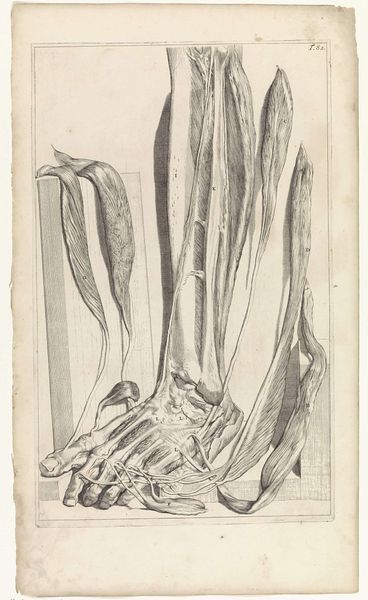
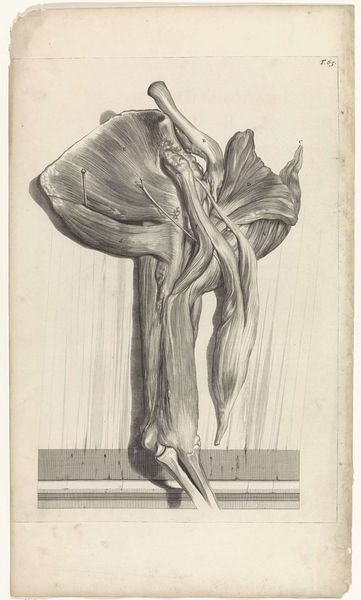
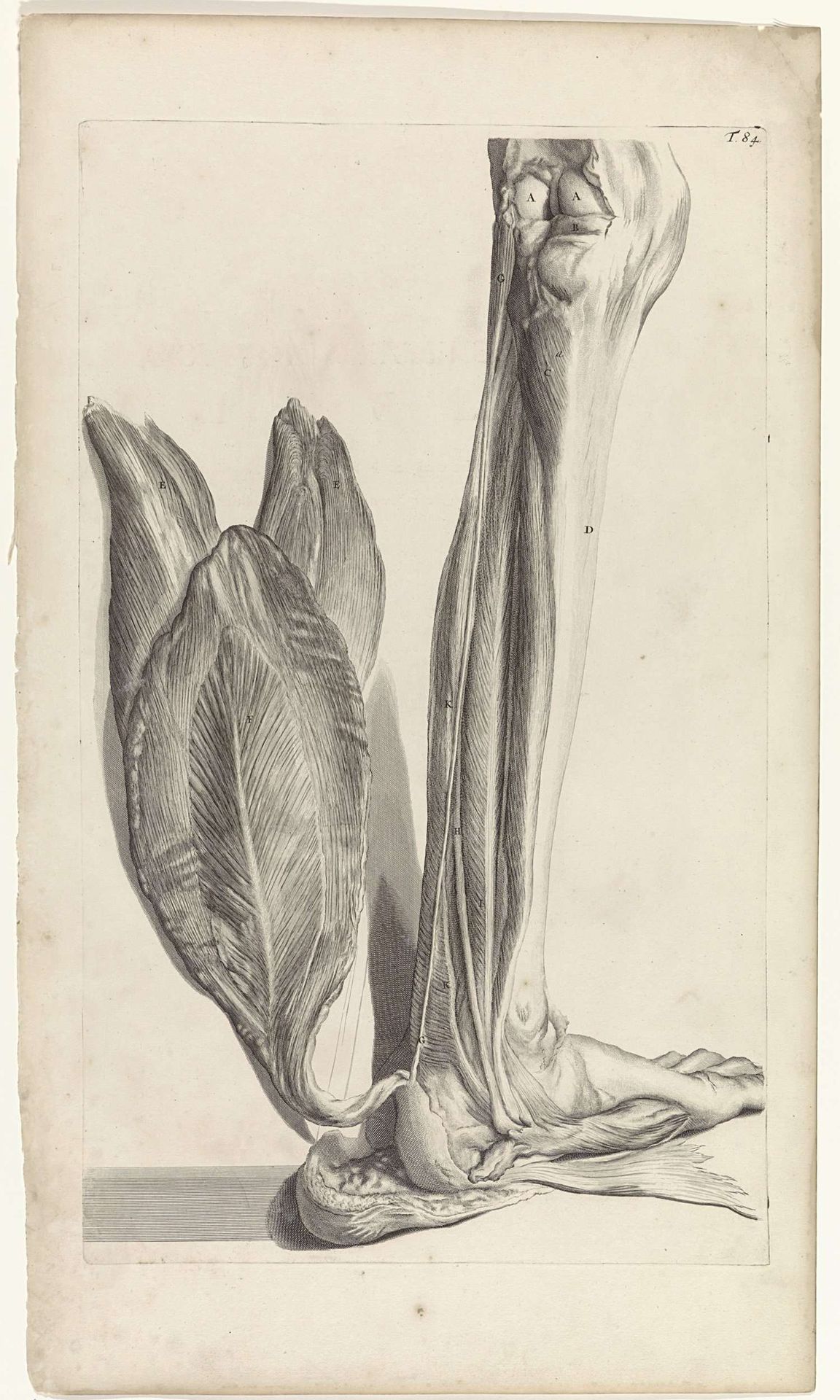
Anatomische studie van de achterkant van de linkervoet

Pieter van Gunst
1659 - 1724Location
RijksmuseumListen to curator's interpretation
Curatorial notes
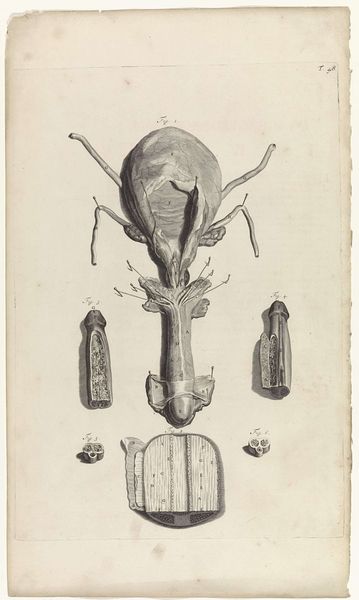
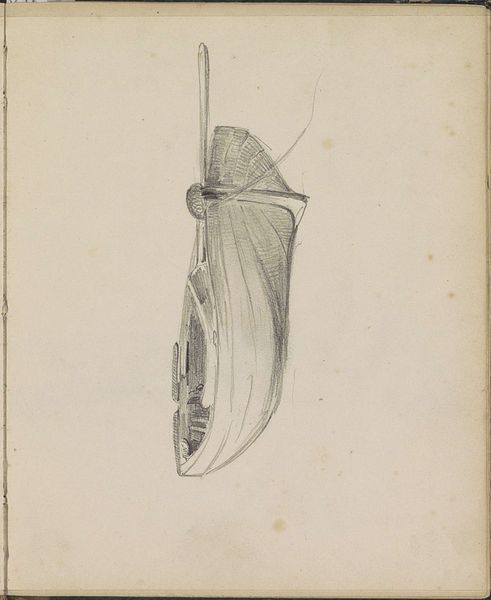
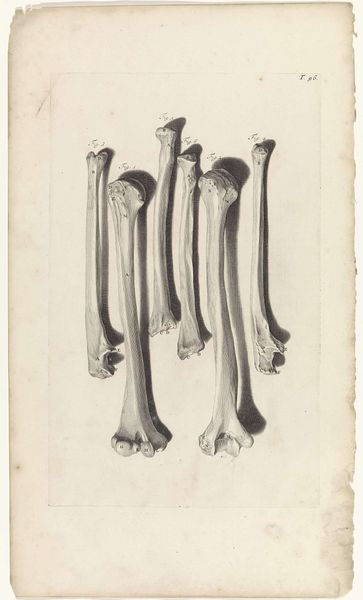
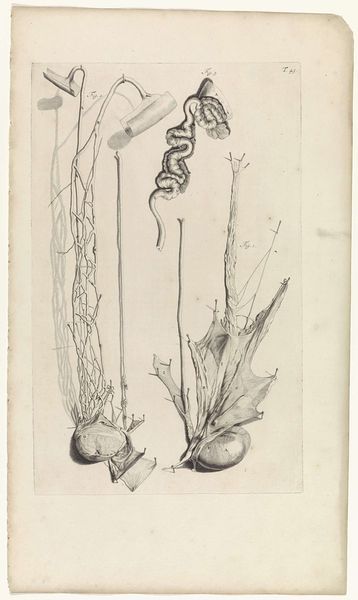
This is Pieter van Gunst’s “Anatomische studie van de achterkant van de linkervoet,” made in the late 17th and early 18th century. It meticulously captures the complex architecture of the human foot. But this image is more than just an anatomical study; it taps into a deep, primal fascination. The exposed musculature, rendered with such precision, echoes the flayed figures in Renaissance art, reminiscent of the morbid curiosity found in anatomical theaters of the period. Think of Marsyas, his skin torn away, a symbol of human suffering and hubris. Here, the foot becomes a landscape of the self, stripped bare. The image’s power lies in its ability to evoke a sense of vulnerability. Like the figures in ancient mystery cults, it reminds us of our mortality, and engages viewers on a subconscious level. It's a memento mori, a dance with death, rendered not as a grand spectacle, but as an intimate study of the very foundation upon which we stand. The cyclical nature of knowledge and fascination repeats, as symbols resurface, evolve, and take on new meanings across history.