About this artwork
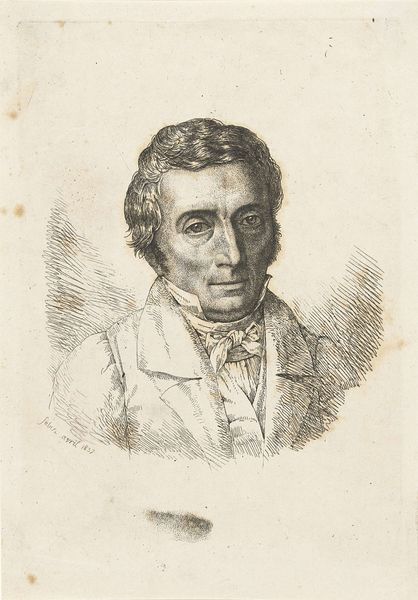
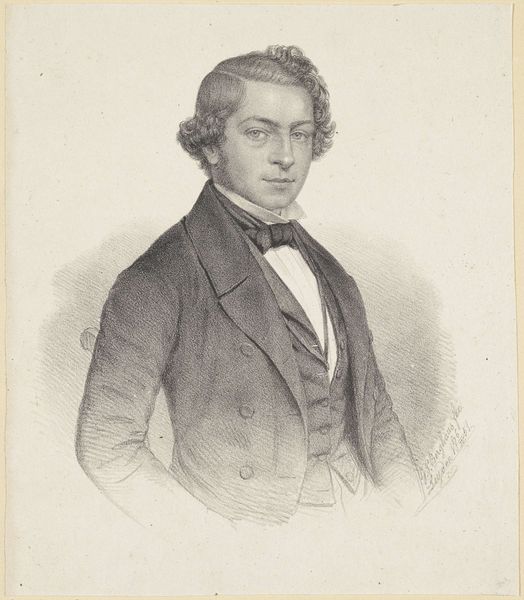
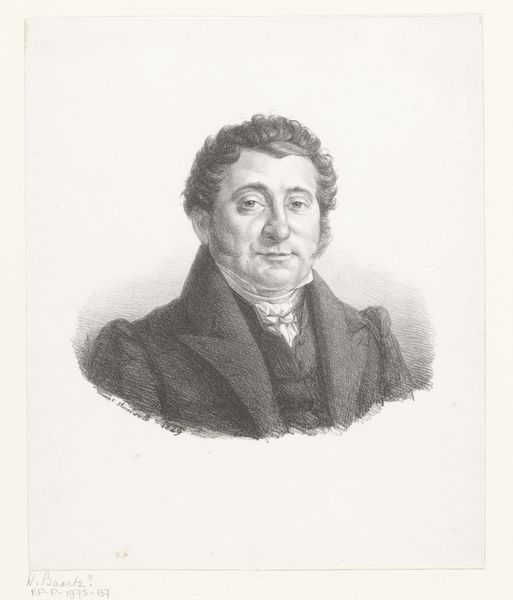
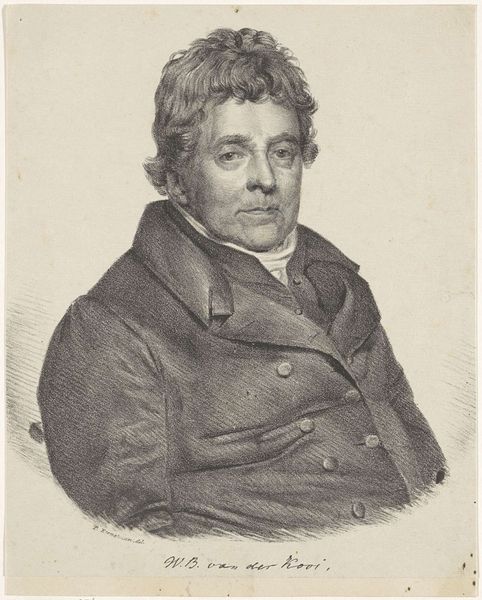
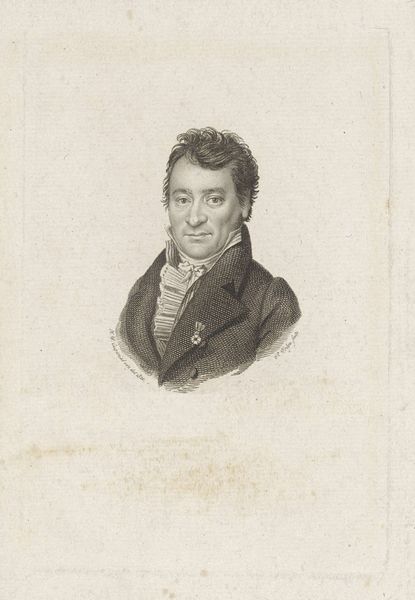
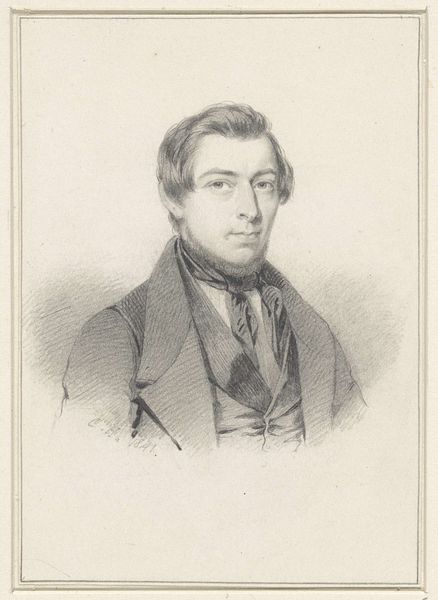
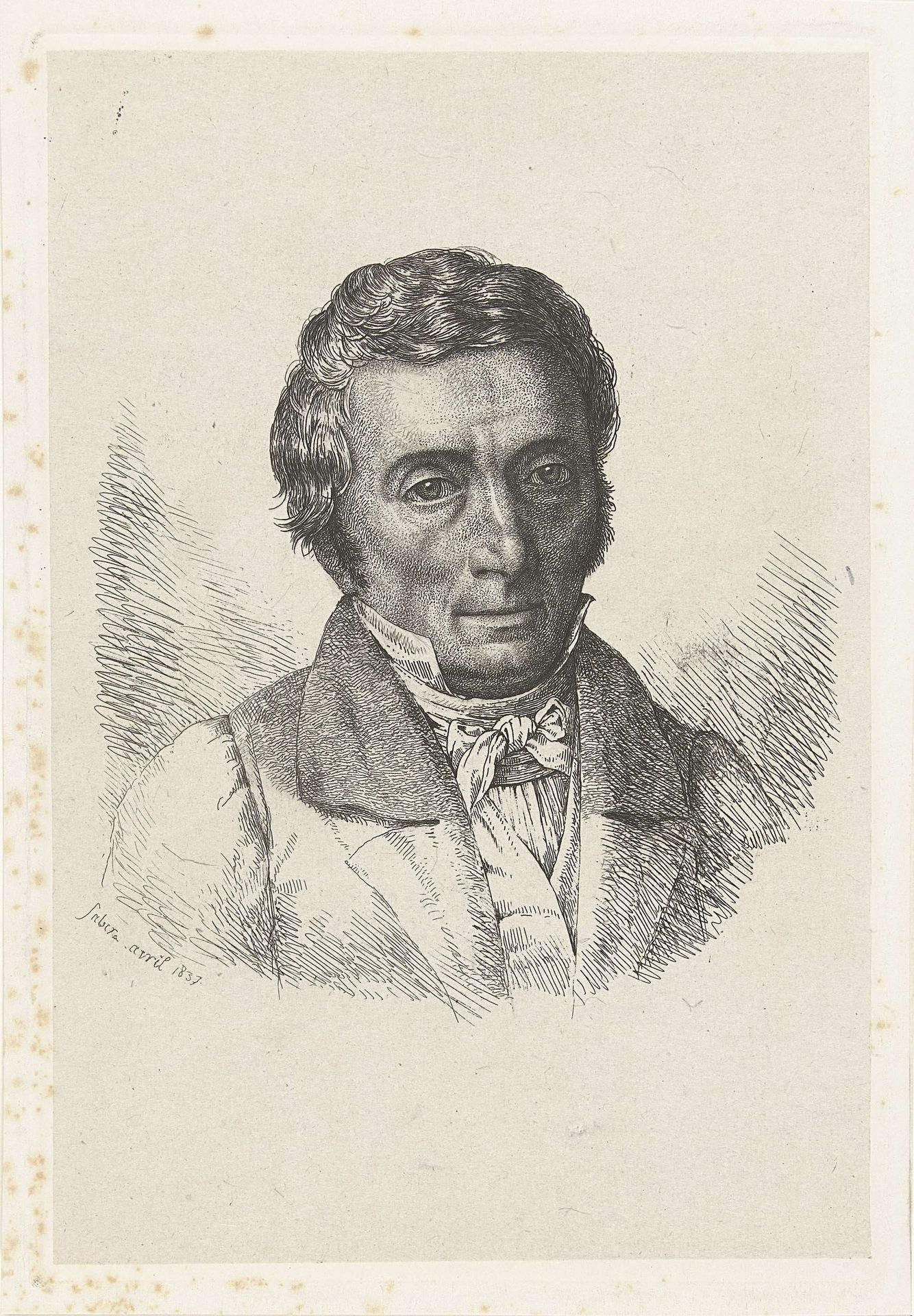
This is a self-portrait etched by Frédéric Théodore Faber in April 1837. Faber was born in the Netherlands but spent his life traveling around Europe, including time in revolutionary France and Napoleonic Germany. Here, Faber presents himself as a respectable member of the bourgeois. His attire is conventional: a neatly tied cravat, buttoned waistcoat, and a long coat. However, it is the gaze of the artist that draws us in. He is looking directly at us, meeting our gaze. His eyes convey a sense of self-assuredness but also a hint of melancholy. Faber was a man caught between worlds, both geographically and politically. His art represents a desire to forge an identity in a rapidly changing world. He lived through political upheaval and social transformation; his art became a form of self-expression and self-assertion. Ultimately, Faber's portrait invites us to consider the multifaceted nature of identity.
Zelfportret van Frédéric Théodore Faber
1837

Frédéric Théodore Faber
1782 - 1844Location
RijksmuseumArtwork details
- Medium
- engraving
- Dimensions
- height 189 mm, width 129 mm
- Location
- Rijksmuseum
- Copyright
- Rijks Museum: Open Domain
Tags
Comments
Share your thoughts
About this artwork
This is a self-portrait etched by Frédéric Théodore Faber in April 1837. Faber was born in the Netherlands but spent his life traveling around Europe, including time in revolutionary France and Napoleonic Germany. Here, Faber presents himself as a respectable member of the bourgeois. His attire is conventional: a neatly tied cravat, buttoned waistcoat, and a long coat. However, it is the gaze of the artist that draws us in. He is looking directly at us, meeting our gaze. His eyes convey a sense of self-assuredness but also a hint of melancholy. Faber was a man caught between worlds, both geographically and politically. His art represents a desire to forge an identity in a rapidly changing world. He lived through political upheaval and social transformation; his art became a form of self-expression and self-assertion. Ultimately, Faber's portrait invites us to consider the multifaceted nature of identity.
Comments
Share your thoughts