1864 - 1887
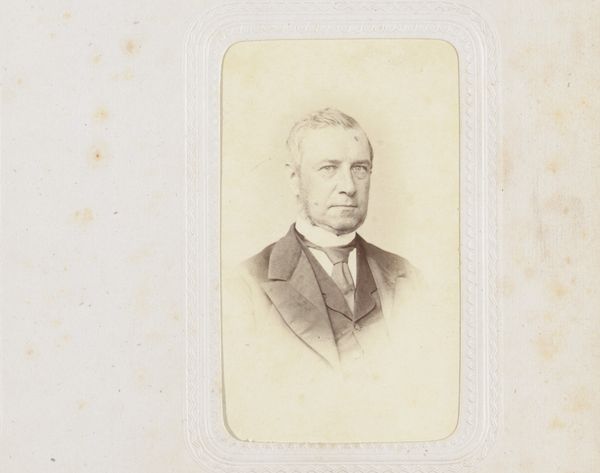
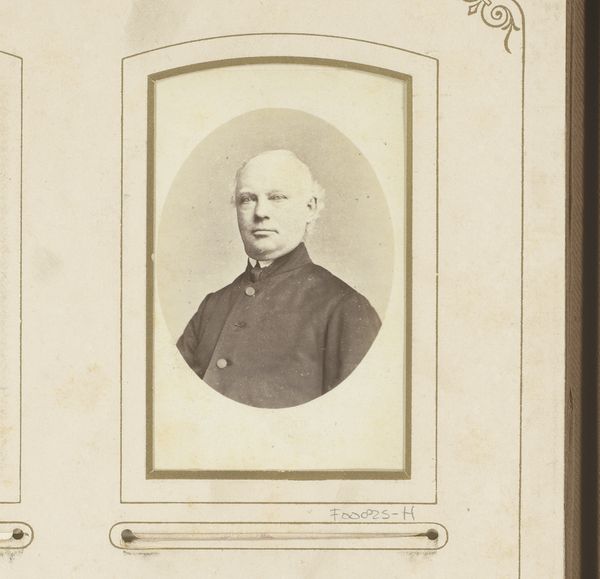
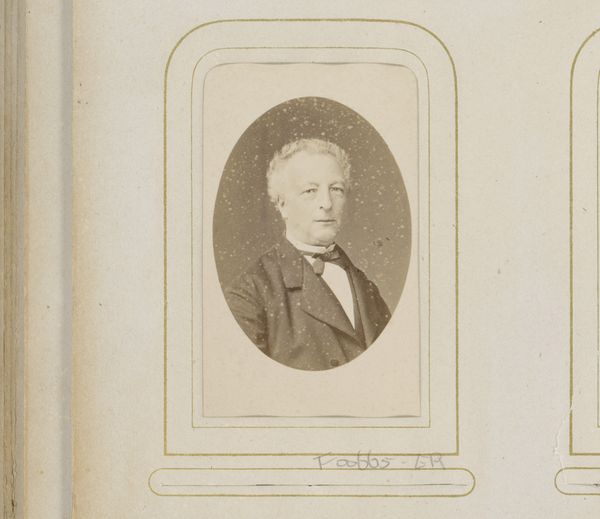
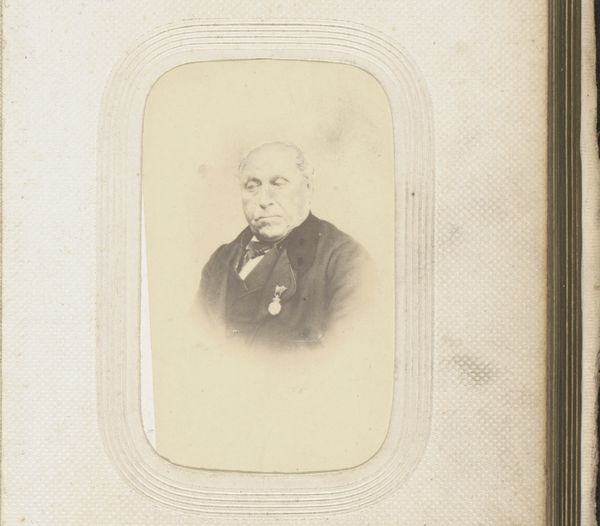
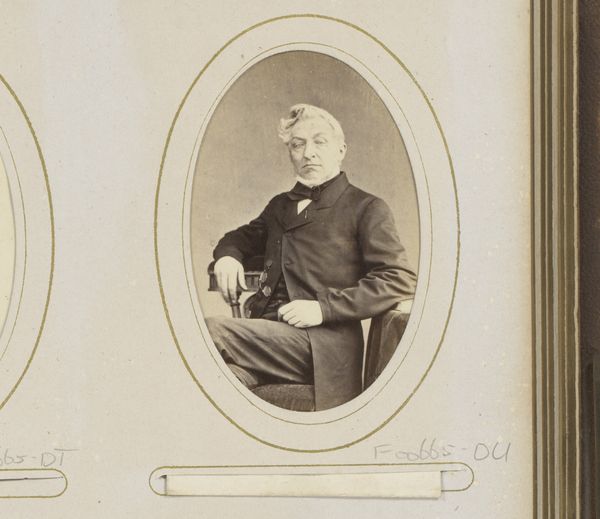
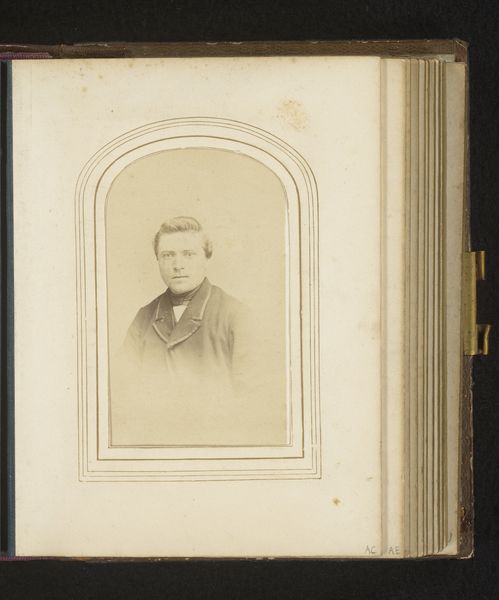
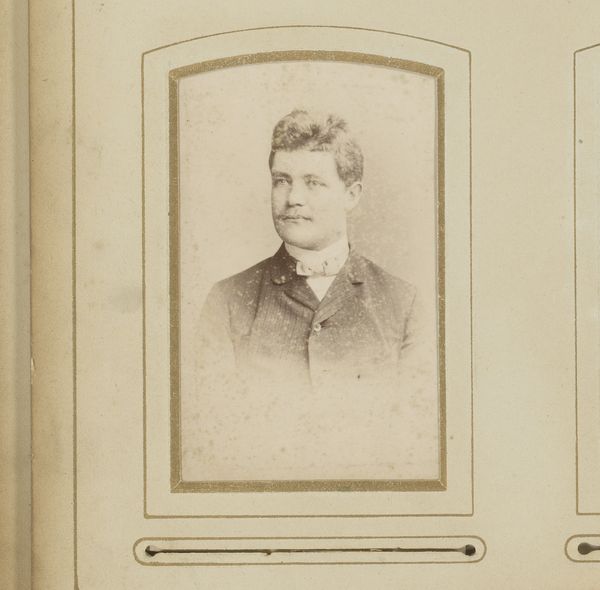
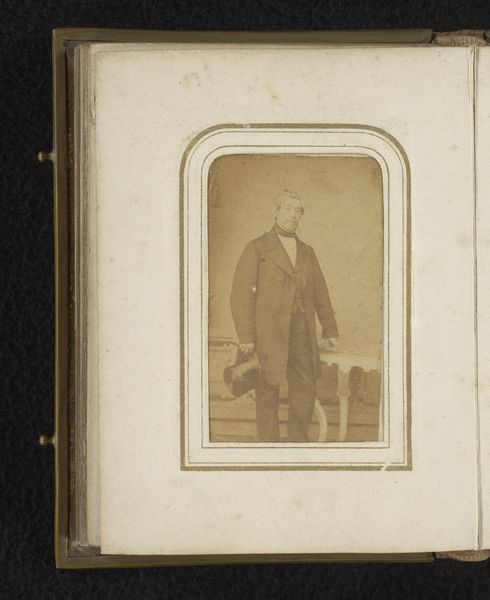
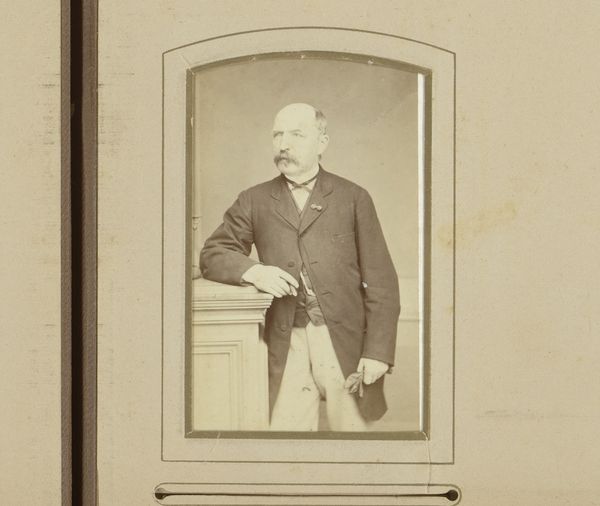
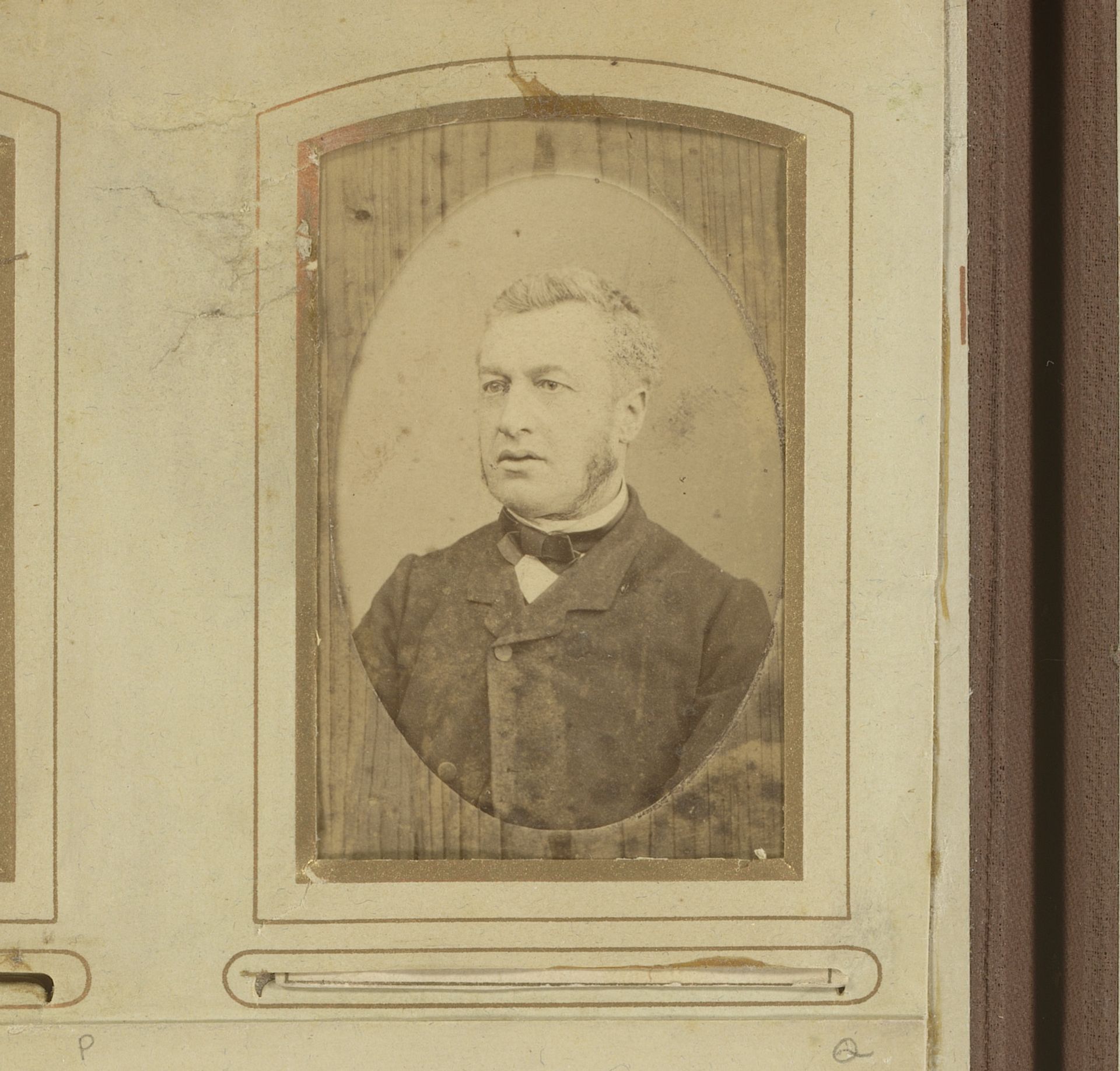
Portret van een man

Listen to curator's interpretation
Curatorial notes
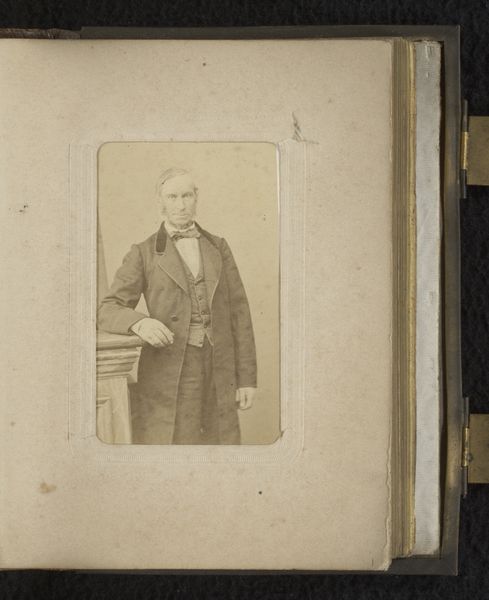
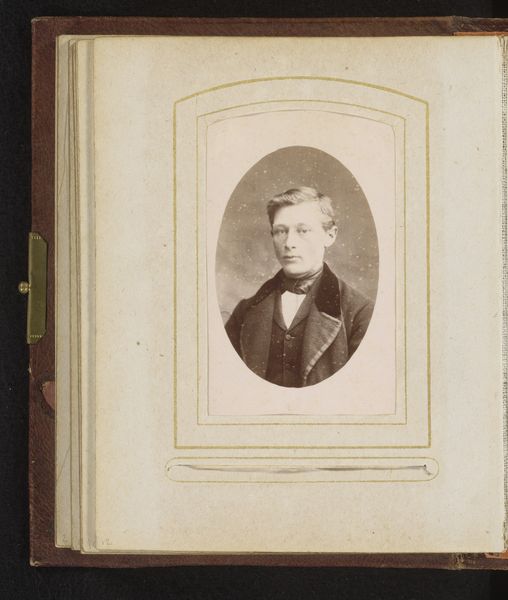
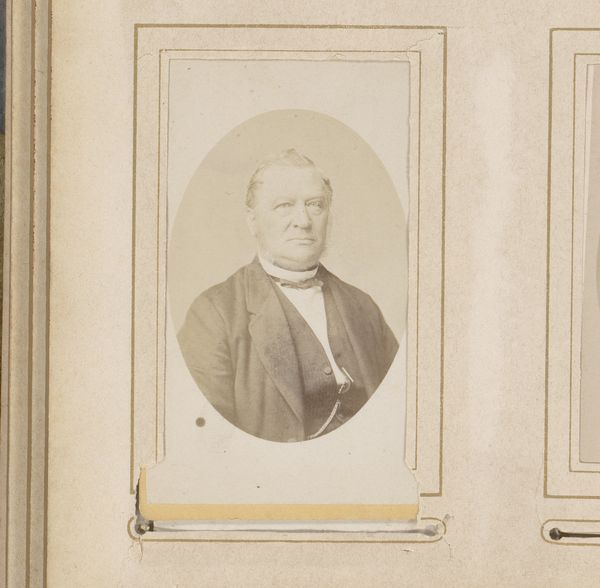
Carl Philip Wollrabe created this portrait of a man using photography, a relatively new medium in the 19th century. Photography's rise was deeply entwined with industrialization and capitalism. It offered a seemingly objective way to capture and commodify images, democratizing portraiture previously reserved for the wealthy. This photograph, likely a carte-de-visite, demonstrates the process. A glass negative would have been exposed in a camera, then contact-printed onto photographic paper. The resulting print, an albumen print, would have been mounted onto a card. The tonal range reveals the specific chemistry used and the level of control Wollrabe had over the process. Consider the labor involved – from preparing the chemicals to posing the sitter – this image embodies both artistic skill and the forces of mass production. By examining the materials and techniques, we understand the social context of this portrait. It bridges the gap between fine art and commercial craft, revealing the impact of industrialization on artistic expression.