1589 - 1615
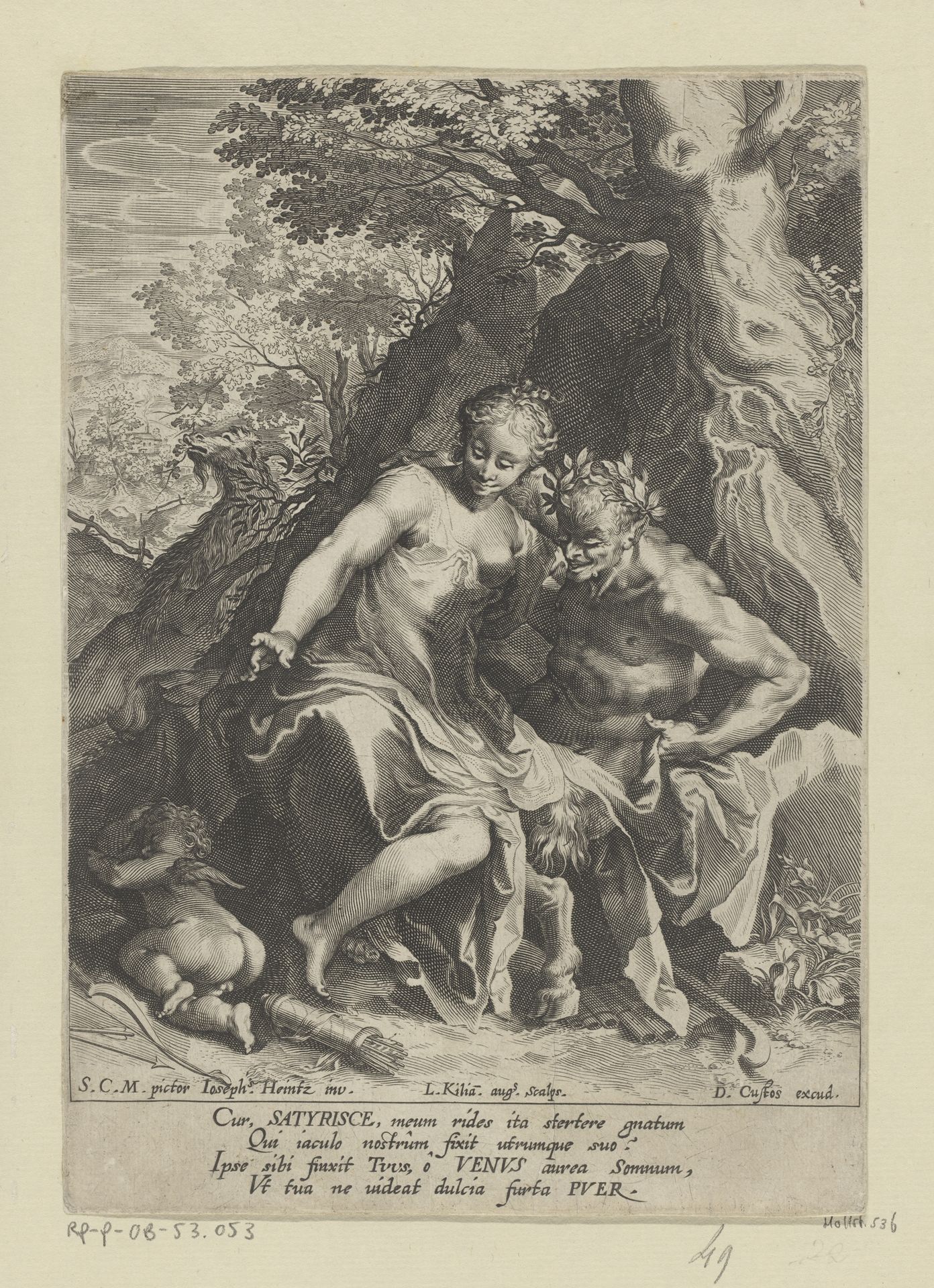
Nimf op de knie van een sater

Lucas Kilian
1579 - 1637Location
RijksmuseumListen to curator's interpretation
Curatorial notes
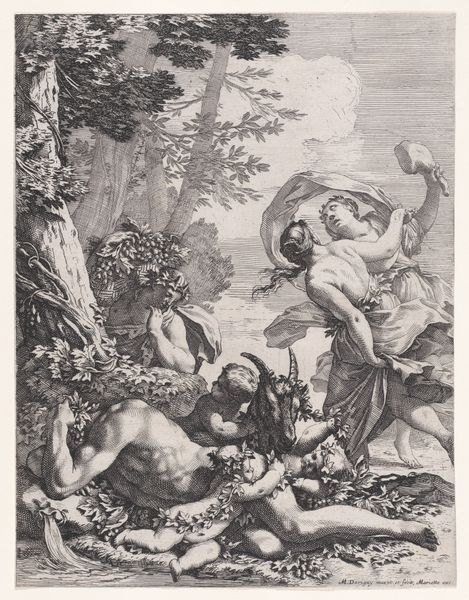
Lucas Kilian created this engraving, "Nymph on the Knee of a Satyr," in the early 17th century. Here, we see a nymph and satyr intertwined, symbols deeply rooted in classical antiquity. The satyr, a creature of the forest, embodies untamed nature and primal instincts. The nymph, a semi-divine being, represents the beauty and allure of the natural world. These figures echo through art history. Recall Titian's "Bacchus and Ariadne," where similar themes of ecstasy and abandon are explored. The wreath of vine leaves that crowns the satyr in Kilian's engraving is a motif that carries echoes of Dionysian revelry and the unbridled forces of nature. This symbol, and its many variations, continues to appear throughout the ages, shaped by collective memory. The nymph's gaze, averted yet suggestive, evokes a complex interplay of desire and innocence. It is this tension, so powerfully rendered, that continues to resonate with us, engaging our subconscious on a primal level.