1910 - 1912
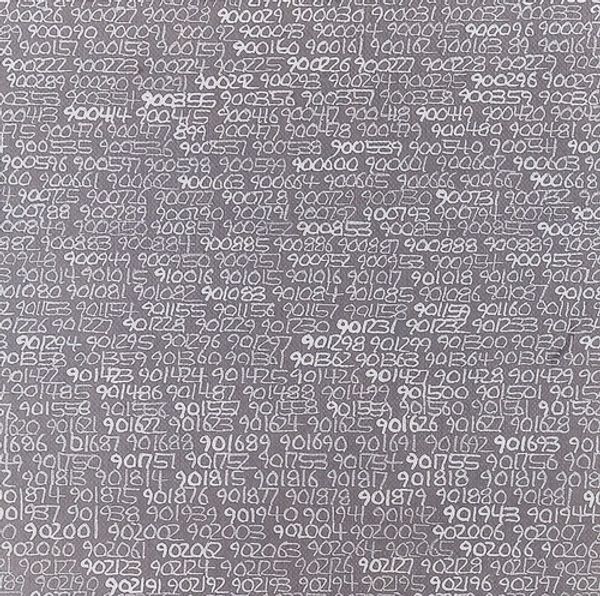
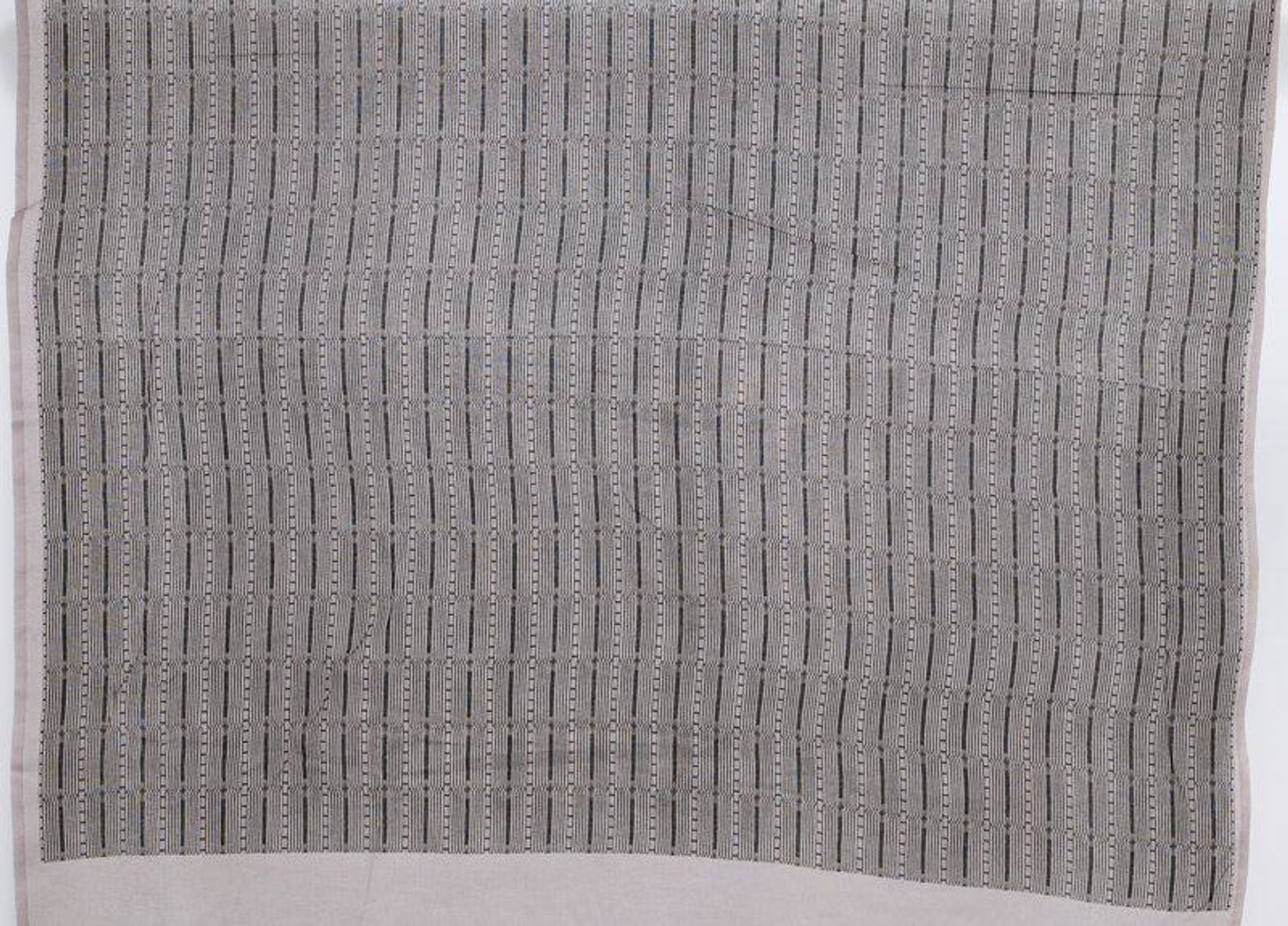
Wasserfall (Waterfall)


Listen to curator's interpretation
Curatorial notes
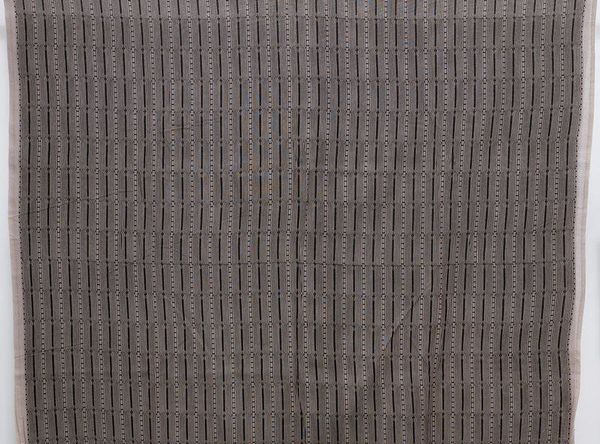
Editor: Here we have Josef Hoffmann’s "Waterfall," made between 1910 and 1912. It's a cotton textile, and what strikes me is the regimented pattern, almost like a cityscape seen from above. How do you interpret this work, looking at it through a historical lens? Curator: It's crucial to see this piece within the context of the Wiener Werkstätte, which Hoffmann co-founded. These artists sought to democratize design, breaking from the elitism of fine art by integrating artistic creation into everyday life. Does the repetitive nature of the design hint at a critique of industrialization? Editor: I hadn't considered that! I was just thinking about the aesthetics of it, but you're right, the rigid structure could be commenting on mass production and its effects on society. So, the textile's seemingly simple design carries a political weight? Curator: Absolutely. The textile's accessibility, compared to painting or sculpture, placed it directly within the domestic sphere, making it a vehicle for social commentary and change within the home. How does that knowledge impact your appreciation? Editor: It really enriches it! What I saw as merely an aesthetic choice, now seems to speak to deeper concerns of the period—a subtle yet potent way of engaging with modernity. I am curious about the title and its potential ironic twist with industrialization Curator: And remember that many women artists were drawn to textiles for these reasons: accessible medium that can also comment on domestic life and politics. Editor: This has completely shifted my perspective. It's fascinating to see how deeply entwined art, politics, and everyday life could be in the early 20th century! Curator: Exactly. And it reminds us that even seemingly simple designs can be powerful statements.