1854 - 1914
Dorpsstraat

Albert Neuhuys
1844 - 1914Location
RijksmuseumListen to curator's interpretation
Curatorial notes
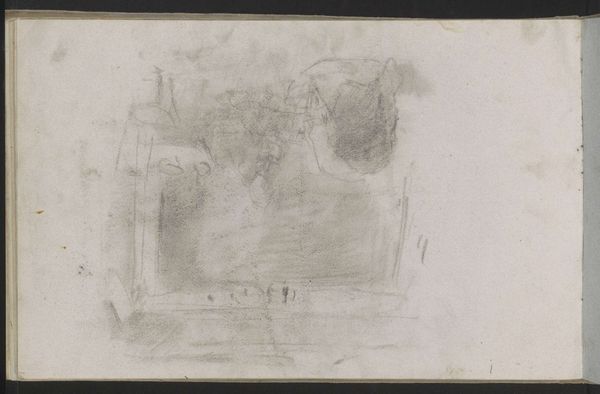
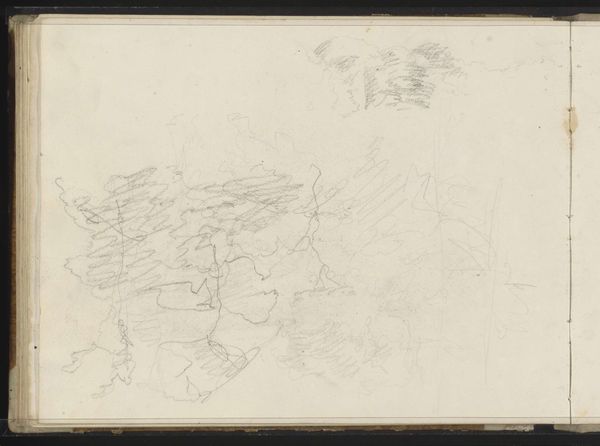
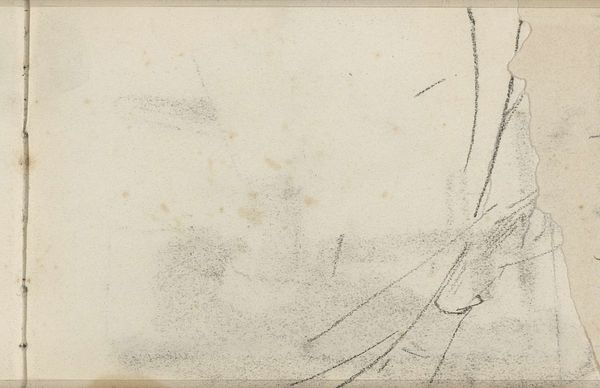
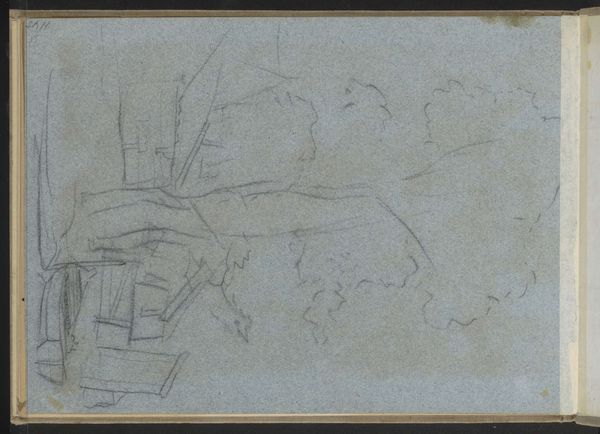
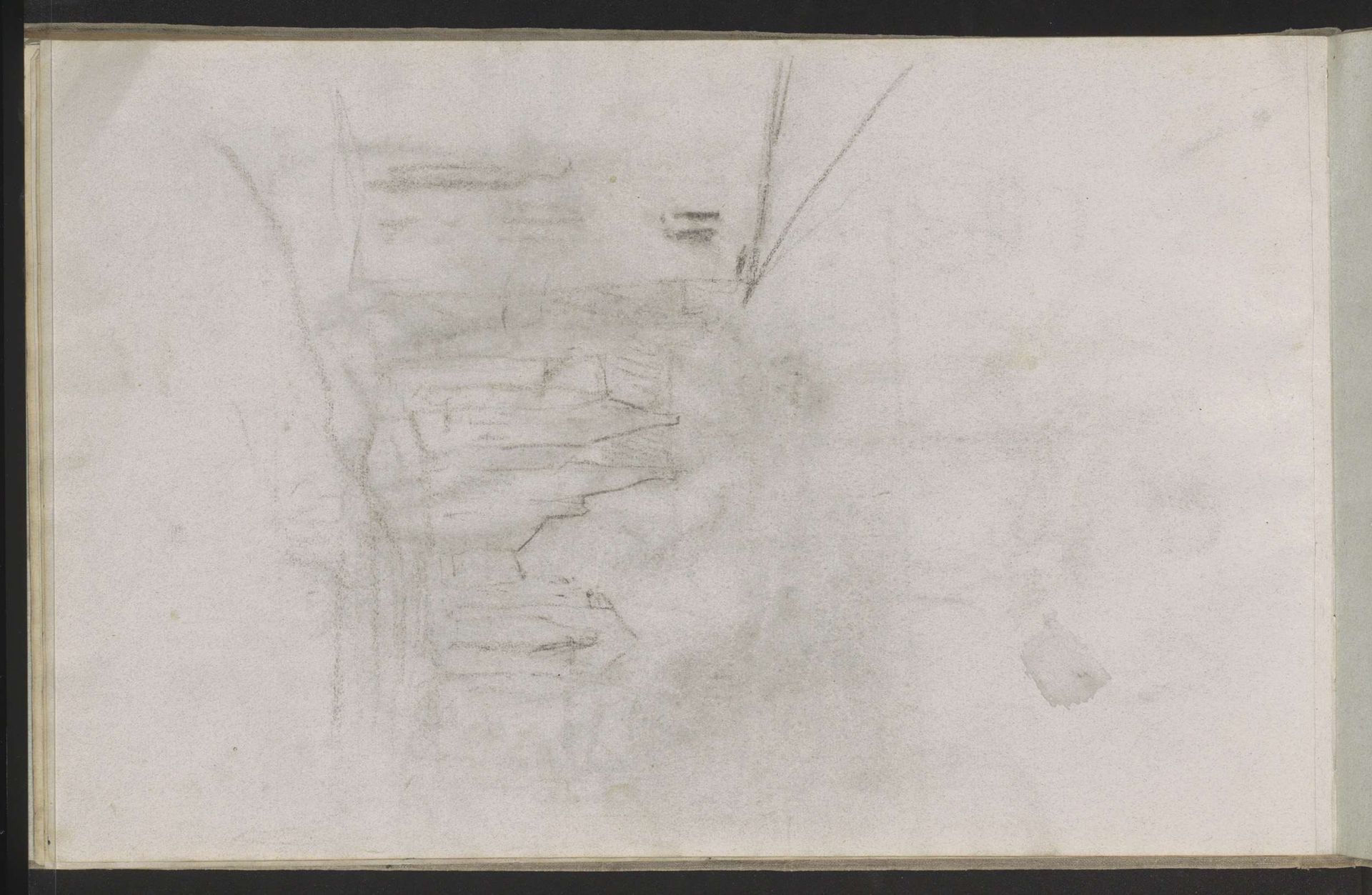
Editor: We're looking at "Dorpsstraat," or "Village Street," by Albert Neuhuys. It's a pencil drawing, dating somewhere between 1854 and 1914 and currently held in the Rijksmuseum. It's a quick sketch, very light, and feels more like a preliminary study. What do you see in this piece in terms of its historical context? Curator: This sketch offers a fascinating glimpse into the art world's move toward representing everyday life. Neuhuys, working during a time of significant social and political change, presents us with a seemingly simple village scene. But it's the *choice* of this subject matter, rendered in such an unrefined style, that speaks volumes about the changing role of art. Editor: Unrefined? I suppose compared to history paintings... yes. How so? Curator: Exactly. Think about the dominant artistic trends of the era. Grand, historical narratives were still valued, especially those displayed in museums. Yet here, we have a humble street, almost anonymously rendered. The artist seems more interested in capturing the fleeting impression of the scene rather than making a grand statement. This shift reflects a growing interest in realism, in depicting the lives and environments of ordinary people. It invites a different kind of audience and fulfills a different social purpose. This isn’t a painting made to inspire grand patriotism or moral instruction; it depicts the world for world's sake. Editor: So, it's almost like Neuhuys is democratizing art through his choice of subject matter and his sketching style? Curator: Precisely! Art became about observation, accessible to a wider audience and reflecting a new cultural value placed on ordinary existence. Is that reflected at all in what is currently showing in Museums? Editor: That makes perfect sense, I never thought about sketching in such a way! Now, I’m starting to question whether so-called "unfinished" work is ever truly incomplete! Curator: It encourages you to question established notions of "finish" and purpose. Which can be more political than any grand history painting.